Hunting is a long-standing recreational activity for many Australians, contributing both to local communities and to the wider economy. It is also one of the most common reasons people develop noise-induced hearing loss. A single rifle shot can reach 140 to 175 decibels, well above the threshold at which permanent damage occurs.
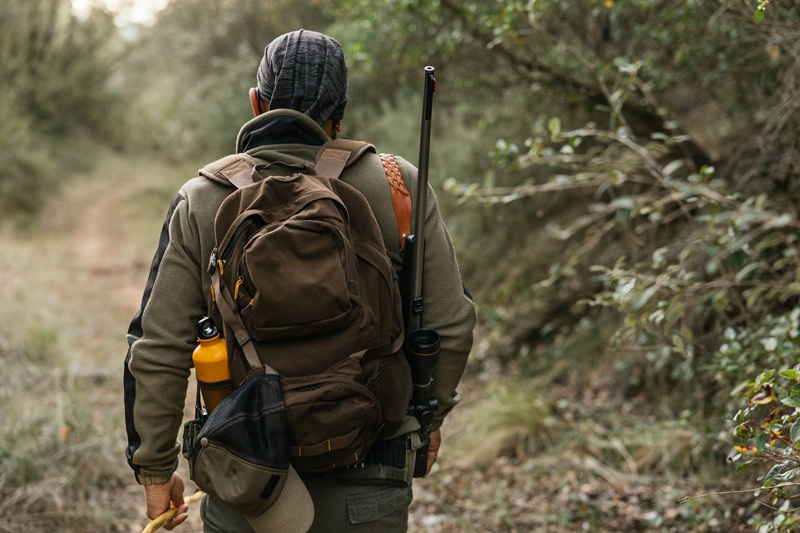
The challenge with hunting is that you need to hear your surroundings. Animal movement, wind, your shooting partner’s voice, the rustle of leaves, all of these matter.
Standard earmuffs block too much. Cotton wool blocks too little and cannot protect you from a gunshot anyway. This is where shooting earplugs come in.
This guide walks through why hunting earplugs matter, how they work, and what to look for when choosing a pair for your next trip out.
Why Hunters Need Hearing Protection
A single unprotected gunshot can cause permanent hearing damage, which means no recovery period and no second chance. Many hunters develop tinnitus or noticeable hearing loss after years of exposure, often without realising the cumulative effect until it is too late.
The signs often include:
- A persistent ringing or buzzing in the ears (tinnitus)
- Difficulty understanding speech in noisy environments
- Needing the TV or radio louder than others find comfortable
- A “muffled” feeling in the ears for hours or days after a shoot
Hearing loss caused by gunfire is permanent, as the inner ear hair cells that respond to high-decibel impulse sounds do not regenerate once damaged.
Our blog on the early signs of noise-related hearing loss covers this in more detail if you want to understand what the warning signs look like.
The Problem with Generic Earplugs for Shooting
Most hunters know they should wear something. The issue is what to wear. Standard foam earplugs and bulky earmuffs both have their place, but for hunting, both come with trade-offs:
- Foam earplugs lose their seal as you move, talk, or chew. They also block low-level sounds (animal movement, voices) just as effectively as gunshots, which defeats the point of being out there
- Bulky earmuffs interfere with rifle stocks, hats, and headlamps. They get hot, sweaty, and uncomfortable on long days
- Cotton wool or fingers in ears offer almost no real protection from impulse noise
What hunters actually need is hearing protection that reduces the dangerous spike of a gunshot while keeping environmental sound clear. That is exactly what custom shooting earplugs are designed to do.
How Custom Shooting Earplugs Work
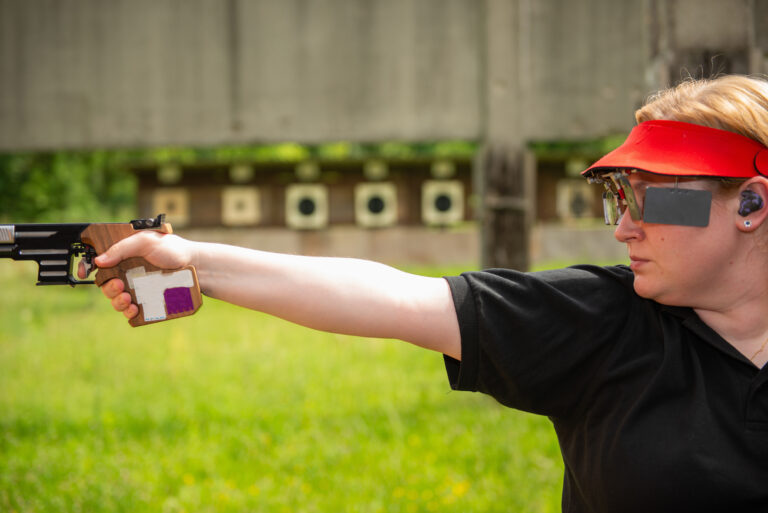
Modern earplugs for shooting use what’s known as impulse filter technology. These are passive (no batteries) acoustic filters built into a custom-moulded plug.
In quiet conditions, they let normal sound pass through almost naturally. The moment a sudden high-decibel impulse hits the filter, like a gunshot, it instantly clamps down and reduces the peak by up to 33 decibels.
This is a meaningful difference compared to traditional protection. You get:
- Constant low-level noise reduction (around 15 dB) so you stay comfortable
- Sharp attenuation during the shot itself (up to 33 dB)
- Full situational awareness between shots
- A custom fit that stays put as you move
- Compatibility with hats, headsets, and over-ear muffs for layered protection
Audience Hearing offers PRO Impulse filter shooting earplugs, originally developed for military and tactical use, fitted into custom-moulded silicone shells that are taken from your own ear impressions.
Best Earplugs for Shooting and Hunting
The best earplugs for shooting depend on how and where you hunt. A few things to consider:
- Field hunting vs. range shooting — field hunters need maximum situational awareness; range shooters can usually use higher attenuation
- Calibre and frequency — high-calibre rifles produce more dangerous impulse noise than smaller rounds
- Weather and terrain — long days in heat or rain favour custom plugs that won’t loosen, sweat out, or get clogged
- Whether you wear earmuffs over the top — slim custom plugs fit comfortably under muffs for double protection on the range
- Hand dexterity and speed — custom plugs are quick to insert and stay in place between shots
If you hunt regularly, custom hunting earplugs are usually the best long-term investment. They cost more upfront than a packet of foam plugs, but a well-cared-for pair can last several years.
Electronic vs Custom Earplugs
Some hunters consider electronic earmuffs that use microphones to amplify ambient sound and electronically dampen gunshots. They work well, but they sit in a different category from passive custom earplugs.
Here’s how the two compare:
| Feature | Custom Shooting Earplugs | Electronic Earmuffs |
| Power source | None (passive filters) | Batteries required |
| Size and profile | Slim, fit inside the ear | Bulky, sit over the ear |
| Comfort on long days | High — lightweight, ear-shaped fit | Lower — heat and pressure build up |
| Performance in wet weather | Reliable | Can be affected by moisture |
| Compatibility with hats and rifle stocks | Excellent | Often interfere |
| Amplification of distant sound | No | Yes |
| Cost over time | Higher upfront, lasts 2–5 years | Lower upfront, batteries ongoing |
| Best suited to | Field hunting, all-day use | Range shooting, long-distance listening |
For most recreational hunters, custom shooting earplugs are the more practical choice. For shooters who want very clear amplification of distant sounds, electronic options have their place.
Many serious hunters use both. They use custom plugs in the field, and electronic muffs at the range. Our guide to the benefits of custom-moulded ear plugs covers the broader case for going custom.
Caring for Your Custom Hunting Earplugs
A pair of custom shooting earplugs is built to last, but they need basic care. Wipe them down after each use, store them in their case (never loose in a bag pocket), and bring them in for a professional clean once a year. Avoid leaving them in a hot car or exposed to direct sunlight, both of which can affect the silicone over time.
Protect the Hearing You Need to Hunt
Your hearing is part of how you hunt. Once gunshot exposure damages your hearing, no hearing aid will fully replace what you had. Custom shooting earplugs are one of the most practical investments any hunter can make in their long-term ability to keep doing what they love.
If you are heading out this season, browse our range of custom shooting earplugs or speak with our audiologists at Audience Hearing about getting fitted. We will talk through your shooting style, the firearms you use, and recommend the right filter and fit.
Book an appointment for custom impressions today.
Frequently Asked Questions
1. Do I really need shooting earplugs for hunting?
Yes. A single unprotected gunshot can cause permanent hearing damage. Even infrequent shooting adds up over time, and the damage is cumulative and irreversible.
2. What are the best earplugs for shooting?
The best earplugs for shooting are custom-moulded plugs fitted with impulse filters. These reduce gunshot noise sharply while preserving normal hearing for voices and environmental sounds. The right specific filter depends on your firearm, environment, and shooting style.
3. Can I use foam earplugs while hunting?
Foam earplugs offer some protection but block all sound equally, which removes the situational awareness most hunters need. They also tend to loosen with movement. Custom shooting earplugs offer a much better balance for field use.
4. How long do custom shooting earplugs last?
With proper care, custom shooting earplugs typically last between two and five years. Frequent use, exposure to extreme conditions, or changes in your ear canal shape may mean a replacement sooner.
5. Can I wear custom earplugs under earmuffs?
Yes. Many shooters use custom plugs and earmuffs together for layered protection, particularly at indoor ranges or with high-calibre firearms. The slim profile of custom plugs makes this comfortable.
6. How are custom hunting earplugs made?
An audiologist takes a soft impression of each ear canal in the clinic. The impressions are sent to the manufacturer, where the plugs are custom-moulded to your ears. Most pairs are ready within two to three weeks.
7. How do I book a fitting at Audience Hearing?
You can book directly through the Audience Hearing contact page. Our audiologists will take your impressions and recommend the right earplugs and filter combination for your hunting style.