If you have ever experienced ringing, buzzing, or hissing in your ears with no obvious external source, you have had a taste of tinnitus. For some people, it is a brief, occasional thing. For others, it becomes a constant background noise that affects sleep, concentration, and quality of life.
About one in three Australians experiences tinnitus at some point.
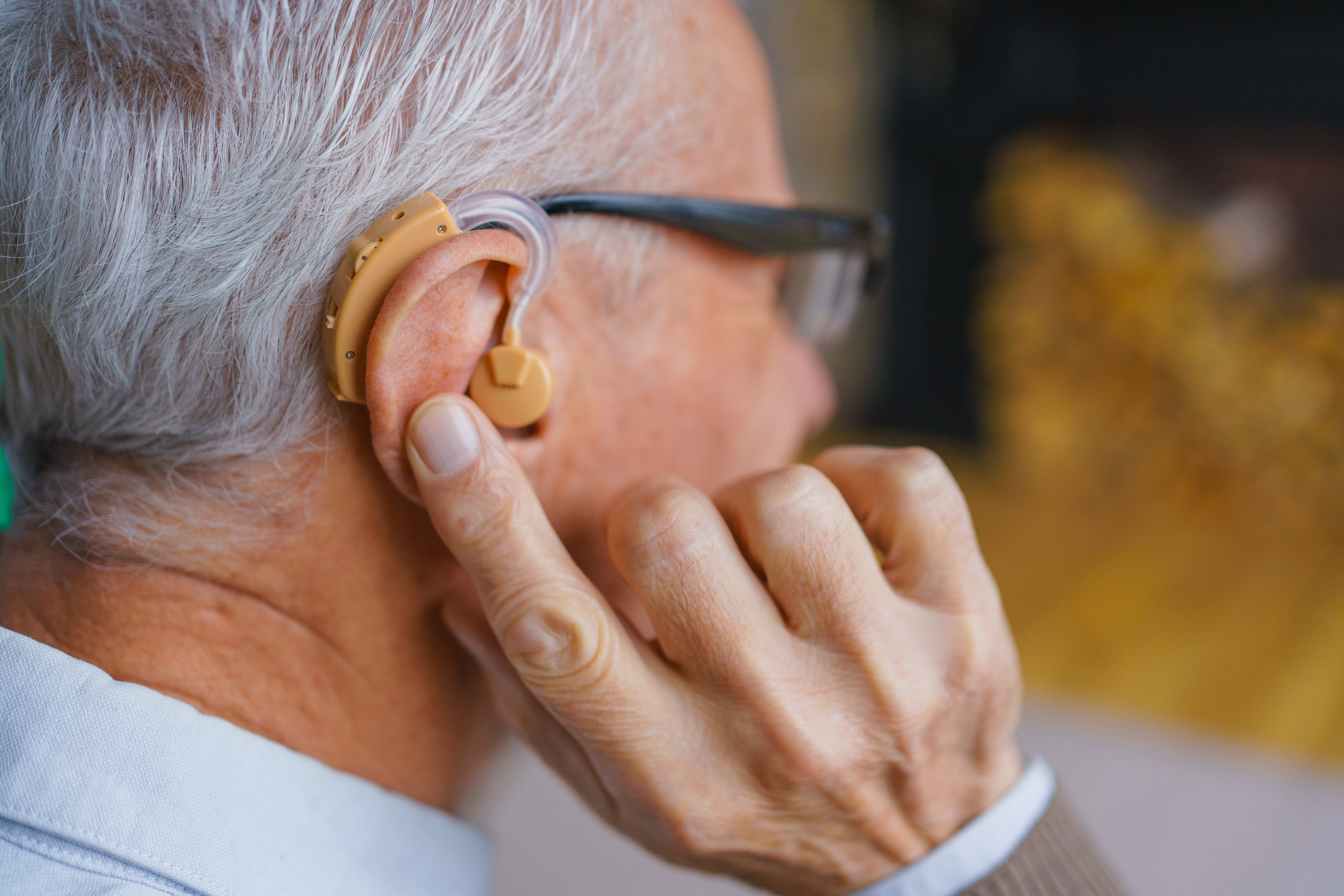
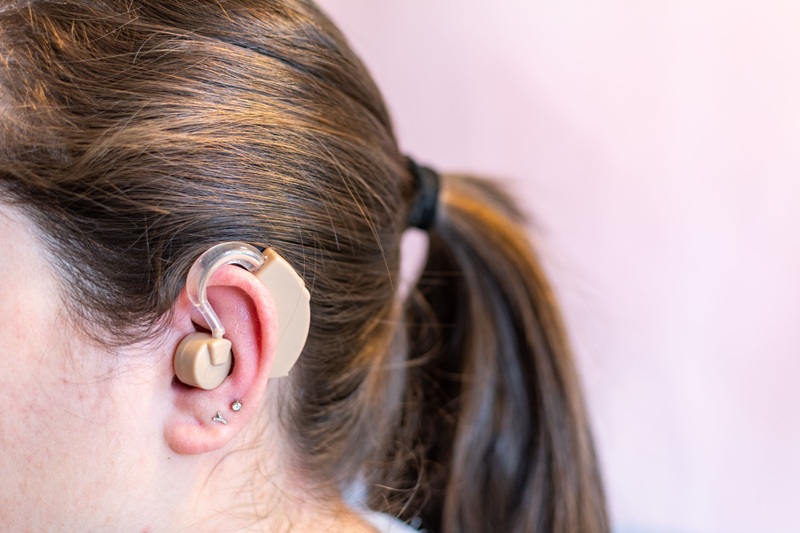
There is no universal cure for tinnitus, but there are several approaches that can make it easier to live with. One that often surprises people is the use of hearing aids.
The connection between hearing loss and tinnitus is well established, and for many people who have both, addressing the hearing loss with properly fitted hearing aids is part of how the tinnitus becomes more manageable.
This guide explains how hearing aids can support tinnitus treatment, who they suit best, and what to expect from a tinnitus assessment.
The Link Between Hearing Loss and Tinnitus
Tinnitus and hearing loss often go together. Most people who experience persistent tinnitus also have some degree of hearing loss, even if they have not noticed it themselves. The reason comes down to how the brain processes sound.
When the inner ear sends fewer sound signals to the brain (as happens with hearing loss), the brain can compensate by amplifying its own internal activity. That activity is often what we hear as ringing or buzzing.
By improving the sound input the brain receives, hearing aids may help reduce the contrast between external sound and internal noise, which often makes the tinnitus less noticeable.
This does not happen for everyone, and the degree of benefit varies. But for people with both hearing loss and tinnitus, hearing aids are one of the most common tinnitus management options recommended by audiologists.
Our blog on understanding tinnitus and its common causes is a useful background to read if you are new to the topic.
How Hearing Aid Tinnitus Treatment Works
Modern hearing aids do more than just amplify sound. Many models include features that are specifically designed to help with tinnitus. These include:
- Sound enrichment — adding gentle, ambient sound that may reduce the perception of tinnitus
- Tinnitus masking programs — built-in sounds (white noise, ocean waves, soft tones) designed to make tinnitus less noticeable
- Improved hearing in quiet environments — where tinnitus is often more prominent
- Reduced listening effort — which may lower the stress that often makes tinnitus feel worse
- Compatibility with sound therapy apps — for use at night or during quiet moments
For people whose tinnitus is most noticeable in quiet rooms or when trying to sleep, simply having more environmental sound reaching the brain can make a real difference.
The exact program your audiologist sets up will depend on your hearing test results, the nature of your tinnitus, and how it affects your daily life.
Who Hearing Aids for Tinnitus Suit Best
Hearing aids are not the right answer for everyone with tinnitus. They tend to help most when:
- You have measurable hearing loss alongside the tinnitus
- Your tinnitus is most noticeable in quiet environments
- You find that background sound (a fan, music, traffic) reduces the ringing
- The tinnitus has been present for at least a few months
If your tinnitus is short-lived or if you have no measurable hearing loss, an audiologist may recommend other tinnitus management options first. These can include sound therapy, counselling, Tinnitus Retraining Therapy (TRT), or addressing underlying contributors like stress, sleep, or earwax buildup. Lifestyle factors also play a role.
Our guide on lifestyle changes to help manage tinnitus covers this in more detail.
What to Expect From a Tinnitus Assessment
A tinnitus assessment with our audiologists is more thorough than a standard hearing test. Here is what is typically involved:
- A detailed conversation about your tinnitus — when it started, what it sounds like, when it is worse, and how it affects your life
- A full hearing test — to identify any underlying hearing loss
- Tinnitus-specific measurements — including pitch, loudness, and how distressing you find it
- A check for treatable causes — such as earwax buildup or middle ear issues
- A discussion of management options — which may include hearing aids, sound therapy, TRT, or referral for further investigation
The point of the assessment is to understand your tinnitus clearly enough to recommend the right next step. For some people, that step is hearing aids. For others, it is something else entirely.
When to See an Audiologist About Tinnitus
Most people put off seeing an audiologist for tinnitus because they assume nothing can be done. That is rarely the case. While there is no guaranteed cure, there are usually management strategies that can reduce how much the tinnitus interferes with daily life.
It is worth booking an appointment with an audiologist if:
- The ringing or buzzing has been present for more than three months
- It is affecting your sleep, mood, or concentration
- You have noticed changes in your hearing alongside the tinnitus
- You feel your tinnitus is getting worse
Our blog on when to see an audiologist about tinnitus goes into this in more depth if you are unsure whether your situation warrants a visit.
Take the First Step Toward Your Ear Health
Tinnitus can feel relentless, but you do not have to live with it as a fixed part of your life. Whether hearing aids are the right approach for you depends on your hearing, the nature of your tinnitus, and how it is affecting you day-to-day.
The best way to find out is a thorough assessment with an audiologist for tinnitus who can walk you through your options.
If tinnitus has been wearing you down, talk to our audiologists about a tinnitus assessment at Audience Hearing. We will help you understand what is happening and look at the management options that may suit you.
Book an appointment with us today.
Frequently Asked Questions
1. Can hearing aids help tinnitus?
For people who have both hearing loss and tinnitus, hearing aids may often help reduce the perception of tinnitus. They do this by improving overall sound input to the brain and, in some models, by playing built-in masking sounds.
However, it’s important to know that the benefit varies from person to person.
2. What is the best tinnitus treatment?
There is no single best tinnitus treatment, because the right approach depends on the cause and how it affects you. Common options include hearing aids, sound therapy, Tinnitus Retraining Therapy (TRT), counselling, and lifestyle adjustments.
An audiologist can recommend the combination that suits your situation.
3. Are there tinnitus relief devices besides hearing aids?
Yes. Sound generators, bedside masking devices, and smartphone apps are all used as tinnitus relief devices. Some people find them helpful on their own, while others use them alongside hearing aids or as part of a broader management plan.
4. Will my tinnitus go away on its own?
Some short-term tinnitus, especially after a single loud noise exposure, does fade on its own within hours or days. Tinnitus that has lasted longer than a few months is usually more persistent and is worth assessing.
Earlier assessment generally leads to more options.
5. Do I need a referral for a tinnitus assessment?
No. You can book a tinnitus assessment directly with our audiologists at Audience Hearing. If we identify anything that warrants medical investigation, we will refer you to your GP or an ENT specialist.
6. Can hearing aids make tinnitus worse?
When properly fitted and programmed, hearing aids do not typically make tinnitus worse. If you find your tinnitus is more noticeable with hearing aids, that usually means the program needs adjusting.
Speak with your audiologist for a review.
7. How do I book a tinnitus assessment at Audience Hearing?
You can book directly through the Audience Hearing contact page. Our audiologists will assess your tinnitus and hearing, and walk you through the management options that suit you.