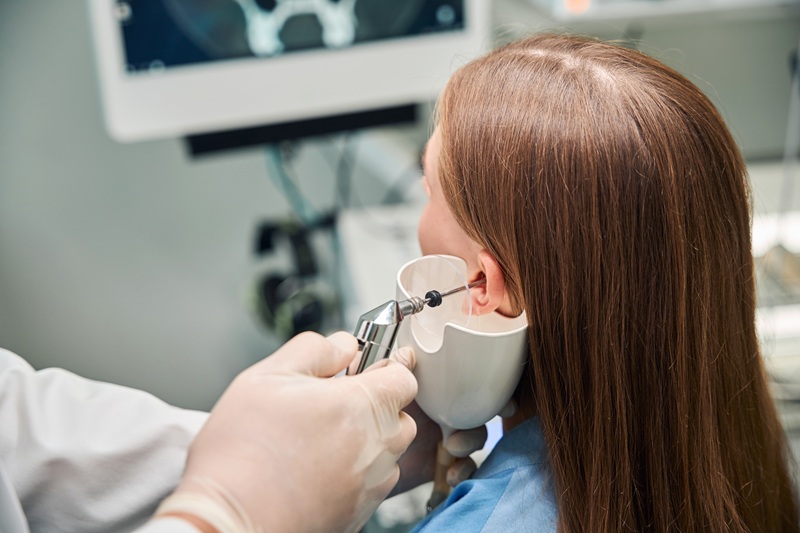
Ear wax is a normal, healthy substance that protects your ear canal. But sometimes it builds up faster than it can clear on its own, and when it does, you might notice muffled hearing, a feeling of fullness, ringing, or even mild pain.
When that happens, home remedies may often make things worse, so it’s better to have it checked by a professional.
This guide explains what professional ear wax removal involves and compares the two main methods used in Australia today: microsuction and ear irrigation (sometimes called syringing).
Why Ear Wax Builds Up in the First Place
Ear wax (cerumen) is produced naturally by glands in your ear canal. It traps dust, dead skin, and small debris, and it usually clears itself as you talk, chew, and move your jaw. Some people, however, produce more than average or have ear canal shapes that make natural clearing harder.
Common causes of build-up include:
- Using cotton buds (which push wax deeper)
- Wearing hearing aids or earbuds regularly
- Having narrow or curved ear canals
- Producing naturally thicker or drier wax
- Being older, as wax tends to become drier with age
Signs you may need professional ear cleaning include a sudden drop in hearing, a plugged sensation, tinnitus, or discomfort. Our guide to the common causes of hearing loss in adults covers when wax buildup is a likely explanation.
The Two Main Methods of Professional Ear Wax Removal
There are two commonly used methods for removing impacted ear wax safely: microsuction and irrigation. Both are performed in clinics across Australia, but they work differently.
What Is Microsuction?
Microsuction uses a small, low-pressure suction device to gently remove wax from the ear canal. The clinician uses a binocular microscope or magnifying loupe to see clearly inside the ear while the suction removes wax debris.
Microsuction:
- Is dry, which means no water is used
- Provides a clear view of the ear canal throughout
- Is generally quick (10–20 minutes for both ears)
- Can be safely used on ears with perforated eardrums or grommets
- Is considered the current clinical standard for ear wax removal in Australia
What Is Ear Irrigation?
Ear irrigation, or ear syringing, uses a controlled flow of warm water to flush wax out of the ear canal. The water pressure and temperature are carefully regulated to avoid injury.
Ear irrigation:
- Uses water at body temperature
- Requires the eardrum to be intact (no perforations)
- Is generally quick (15–20 minutes for both ears)
- Is often available through GP clinics and some pharmacies
- Is still used routinely but has largely been superseded by microsuction in specialist clinics
Microsuction vs Irrigation: Side-by-Side
Here’s how the two methods compare across the factors most people weigh up:
| Feature | Microsuction | Ear Irrigation |
| Method | Low-pressure suction | Warm water flush |
| Water used | No | Yes |
| Visual control | High (microscope used) | Limited (blind flushing) |
| Suitable for perforated eardrums | Yes | No |
| Suitable for hearing aid users | Yes | Not always |
| Sensation | Slight suction noise, generally comfortable | Water pressure sensation |
| Common risks | Rare — mild noise, occasional dizziness | Dizziness, infection, eardrum injury if misapplied |
| Typical setting | Audiology and specialist clinics | GP clinics, some pharmacies |
| Time per session | 10–20 minutes | 15–20 minutes |
Microsuction is generally preferred in Australia because it avoids water-related complications and gives the clinician a clear view of the ear canal at all times. However, there are still instances where ear syringing is necessary for a patient.
To know the best option for your case, a consultation with a qualified audiologist can help provide a better understanding.
Is Microsuction Safe?
Microsuction is considered safe when performed by a trained clinician. Because it uses no water, it avoids the main risks associated with irrigation, like infection from residual moisture, dizziness from cold water, and eardrum injury from pressure.
The most common sensation people report is a mild noise from the suction, which stops as soon as the wax is cleared. Some people feel briefly lightheaded during the appointment, particularly if they are sensitive to the sound, but this passes quickly.
Microsuction is suitable for most people, including:
- Hearing aid wearers with regular wax buildup
- Anyone with a history of ear infections
- People with perforated eardrums or grommets
- Those with impacted or hardened wax that syringing hasn’t cleared
- Anyone unsure of their ear health status
What to Expect at a Professional Ear Cleaning Appointment
A professional ear wax removal appointment at Audience Hearing generally follows the same steps:
- Ear examination — the clinician looks inside your ear with an otoscope to confirm wax is the issue
- Method selection — microsuction is used unless there’s a reason it’s not suitable
- Wax removal — the appointment usually takes 10–20 minutes for both ears
- Post-removal check — the clinician inspects the ear canal to confirm it’s clear and healthy
- Aftercare advice — you’ll get simple guidance on preventing future buildup
If you’ve noticed any hearing changes alongside the wax buildup, a hearing test is often recommended after removal to check whether your hearing has returned to normal.
How Often Should You Have Ear Wax Removed?
The right frequency depends on how quickly your ears produce wax and whether you use hearing aids or earbuds. As a general guide, most people benefit from professional cleaning every six to twelve months. Hearing aid users or those with narrow ear canals may need appointments every three to six months.
Our detailed guide on how often to have professional ear wax removal covers this in more depth.
Book a Safe, Professional Ear Wax Removal with an Audiologist
Ear wax buildup is one of the most common causes of temporary hearing loss, and both microsuction and irrigation are effective ways to remove it. A professional clinician can advise which method suits your situation best.
If you’ve been dealing with muffled hearing, ear fullness, or discomfort, book a professional ear wax removal appointment at Audience Hearing. Our audiologists use microsuction with full visual control and can walk you through what you need to know before, during, and after your appointment.
Book your consultation with us today.
Frequently Asked Questions
1. What’s the difference between microsuction and ear irrigation?
Microsuction uses gentle suction and a microscope to remove wax without water. Ear irrigation uses warm water to flush wax out. Microsuction is generally preferred because it provides clearer visual control and avoids water-related complications.
2. Is microsuction safe?
Yes. When performed by a trained clinician, microsuction is considered safe. It avoids the water-related risks of irrigation and is suitable for a wider range of people, including those with perforated eardrums.
3. Can I have my ears syringed at a GP clinic?
Yes, ear irrigation is still commonly available through GP clinics and some pharmacies. However, if you have hearing aids, a perforated eardrum, or a history of ear infections, microsuction is usually the safer option.
4. How long does an ear wax removal appointment take?
Most professional ear cleaning appointments take between 10 and 20 minutes for both ears, including an examination before and after.
5. Do I need a referral for ear wax removal?
No. You can book directly with an accredited audiology clinic. If you have a Pensioner Concession Card, DVA card, or other subsidised access, bring the relevant details to your appointment.
6. Can I remove ear wax at home?
Home methods like cotton buds and ear candles are generally not recommended. They often push wax deeper or damage the ear canal. Softening drops (such as olive oil) can help minor buildup, but impacted wax should be professionally removed.