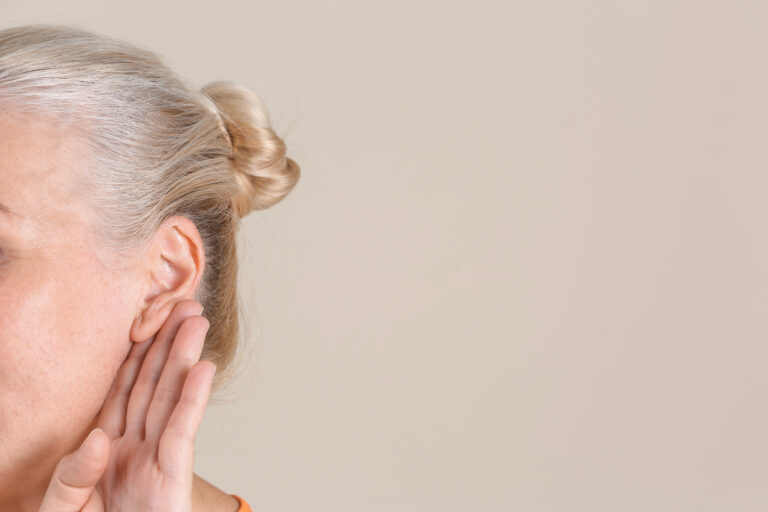
If you have been asking people to repeat themselves more often, you may have wondered where this came from. Perhaps a parent or grandparent did the same. What many people don’t know is that, sometimes, hearing loss does run in families, and otosclerosis is one example.
The catch is that it tends to creep in slowly, so the first signs are easy to brush off. This guide explains what otosclerosis is, why it can be passed down, and what support is available.
What Is Otosclerosis?
Otosclerosis is a condition that affects a tiny bone in your middle ear. Healthdirect describes it as the most common cause of middle ear hearing loss in adults. To see why, it helps to follow the path of sound.
Sound waves make your eardrum vibrate. That movement passes along three small bones, and the stapes bone is the last of them. The stapes then passes the vibration on to the cochlea, which is your inner ear.
With this condition, the bone in your middle ear is slowly replaced by softer bone, which later hardens. The stapes bone can no longer move freely, so less sound reaches your inner ear.
This is called conductive hearing loss, because the problem lies in how sound is carried. Otosclerosis hearing loss usually starts in early adulthood and slowly gets worse.
Otosclerosis Causes: Is It Hereditary?
The exact cause isn’t known, but genes appear to play a part. Healthdirect notes that many people with the condition have a close relative who also has it. That makes it one example of hereditary hearing loss.
Other things may contribute as well. These include
- hormone changes, such as those during pregnancy
- some viruses
- inflammation in the ear
- the immune system.
It’s also more common in females, and for some it may get worse during pregnancy.
Having a relative with the condition doesn’t mean you will develop it. There’s also no known way to prevent it. Our guide to common causes of hearing loss in adults covers other reasons your hearing may change.
Otosclerosis Symptoms to Look For
Otosclerosis symptoms develop slowly, so you may not notice them early on. Healthdirect lists three common signs:
- Hearing loss that gets worse over time, especially for low-pitched sounds such as deep voices.
- Tinnitus, which is ringing in your ears.
- Dizziness or balance problems.
The Better Health Channel explains that the condition tends to start in one ear. Both ears are generally affected over time. Because the change is so gradual, you might adapt without realising. Perhaps you turn up the TV or ask people to repeat themselves.
How Is Otosclerosis Diagnosed?
Diagnosis usually starts with a hearing test. An audiologist will run an audiogram, which shows what type of hearing loss you have. With this condition, the loss is typically conductive or mixed. A mixed loss means the inner ear is involved as well.
On an otosclerosis audiogram, the loss can affect all pitches. If you’d like to know how to read the graph, our guide to audiometry test results explains it.
Your audiologist may also check how well your eardrum moves, using a test called tympanometry. Your doctor may also refer you to an ear, nose and throat (ENT) specialist. They may arrange a CT scan to look at the bone in more detail.
Otosclerosis Treatment: What Are Your Options?
Treatment depends on how much hearing loss you have and what type it is. The Better Health Channel notes that treatment may not be needed until the hearing loss is significant. When it is, the options may include:
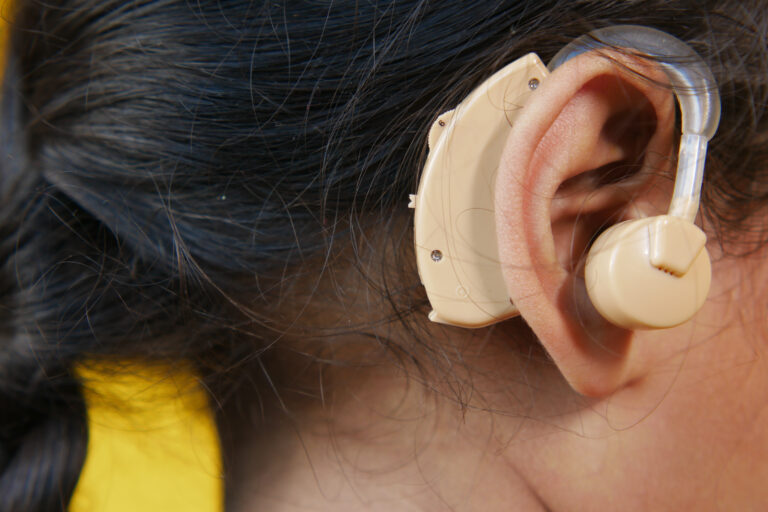
- Hearing aids. These make sounds louder and can be adjusted to suit your type of hearing loss.
- Surgery. In a stapedectomy, an ENT surgeon replaces the affected stapes bone with a small prosthesis. This otosclerosis surgery may help improve hearing, and your surgeon can explain the benefits and risks.
- Cochlear implants. These may be used when hearing aids don’t help enough.
- Medicines. Some medicines may help slow the bone changes in the ear.
Which option suits you is a decision to make with your doctor, an ENT specialist and your audiologist. If you’re in Leppington, Livingston, Mollymook, Mt Annan or Wollongong and have the same symptoms, our team can help you understand your hearing results and your options.
When to Get Help for Hearing Changes
If you notice hearing changes, see your doctor. You can also ask for a referral to an audiologist for a hearing test. Because the condition slowly gets worse, Healthdirect recommends regular hearing check-ups. An audiologist can then adjust your hearing support as things change.
Sudden changes are different. If you lose hearing suddenly, go to your local emergency department straight away. Healthdirect treats sudden hearing loss as an emergency.
Find Out What’s Behind Your Hearing Changes
Otosclerosis often runs in families, and it stops a tiny middle ear bone from moving freely. It tends to start in early adulthood and progress slowly. Hearing aids, surgery and other options may help, but it still depends on your hearing test. A hearing test is the first step to finding out what’s going on.
If you suspect otosclerosis or have a family history of hearing loss, talk to us. Ask about an adult hearing loss assessment at Audience Hearing, and our audiologists will help explain your results. Where needed, we may also recommend you see your GP or an ENT specialist.
Book an appointment with us today.
Frequently Asked Questions
Can otosclerosis cause total deafness?
For some people, the hearing loss becomes serious or affects both ears. The Better Health Channel notes that the condition doesn’t cause total deafness. Early diagnosis and support can help you manage changes in your hearing.
Is otosclerosis hereditary?
Genes seem to play a part. Many people with the condition have a close relative who also has it. Hormones, viruses and inflammation may contribute too, so family history isn’t the whole story.
Can otosclerosis be prevented?
There’s currently no known way to prevent it. Healthdirect notes that early diagnosis and treatment can help manage hearing loss and may stop it from getting worse.
Does everyone with otosclerosis need surgery?
No. Treatment depends on how much hearing loss you have and what type it is. Some people use hearing aids, and treatment may not be needed until the hearing loss is significant. Your doctor and ENT specialist can talk you through the options.
Who is most likely to develop otosclerosis?
It often begins in early adulthood and is more common in females. Family history is another factor. In some females, it may get worse during pregnancy. A hearing test is the best way to find out what’s causing any changes you notice.