Ear wax is a natural part of how your ears protect and clean themselves. For most people, it moves out of the ear canal on its own without any intervention. But for others, wax can build up faster than it clears, leading to blocked ears, muffled hearing, and discomfort.
If you have ever wondered how often you should have ear wax removed, the honest answer is: it depends. There is no single schedule that applies to everyone.
How frequently you may need professional ear wax removal comes down to how your ears produce and manage wax, and whether that process is working as it should.
Let’s take a closer look at what affects ear wax buildup, the signs that it may be time for a professional clean, and what safe ear wax removal typically involves.
Why Ear Wax Builds Up
The ear canal naturally produces cerumen (the medical term for ear wax) as a protective mechanism. It helps trap dust and debris, keeps the skin of the ear canal moisturised, and has mild antibacterial properties.
In most people, wax gradually migrates out of the ear canal on its own. However, several factors can disrupt this process and contribute to excess ear wax buildup:
- Naturally narrow or curved ear canals make it harder for wax to migrate out
- Regularly wearing hearing aids or earphones, which can prevent wax from clearing
- Using cotton buds, which often push wax deeper into the canal rather than removing it
- Older age, as wax tends to become drier and less mobile over time
- Certain skin conditions that affect the ear canal
- Producing more wax than average by nature
If any of these apply to you, you may find that wax accumulates more quickly and requires more regular attention.
Signs You Need Ear Wax Removal
Knowing the signs you need ear wax removal can help you seek support before symptoms become more disruptive. Some of the most common indicators that wax may be causing a blockage include:
- A feeling of fullness or pressure in the ear
- Muffled or reduced hearing in one or both ears
- Ringing or buzzing sounds in the ear (tinnitus)
- Earache or mild discomfort
- Itchiness inside the ear canal
- A persistent sensation that something is lodged in the ear
It is worth noting that these symptoms can also be associated with other ear or hearing conditions. If you are experiencing any of these regularly, having your ears assessed by an audiologist is a good starting point to understand what may be contributing.
How Often Should Ear Wax Be Removed?
For people whose ears manage wax well on their own, professional ear wax removal may only be needed occasionally, or not at all. However, for those who are prone to buildup, a more regular schedule is often beneficial.
As a general guide:
- Every 3 to 6 months — may be appropriate for people who wear hearing aids or in-ear devices regularly, as these can accelerate wax accumulation and affect device performance
- Every 6 to 12 months — may be suitable for individuals who experience recurring blocked ears but do not use in-ear devices consistently
- As needed — for those who only occasionally notice symptoms of buildup
The right ear wax removal frequency for you is best determined after a proper assessment. An audiologist can examine your ear canals, assess how much wax is present, and recommend an ongoing schedule that suits your individual needs.
What Does Professional Ear Wax Removal Involve?
Safe ear wax removal performed by a qualified audiologist is quite different from attempting to manage wax at home with cotton buds or ear candles. However, both of those may carry risks and are generally not recommended.
One of the most commonly used methods in Australia is microsuction ear wax removal. This technique uses a fine, low-pressure suction device under a binocular microscope, giving the clinician a clear and magnified view of the ear canal throughout the procedure.
Because it does not involve water or instruments being inserted blindly, it is considered a gentle and well-tolerated approach for most people.
A typical appointment with an ear cleaning clinic will generally include:
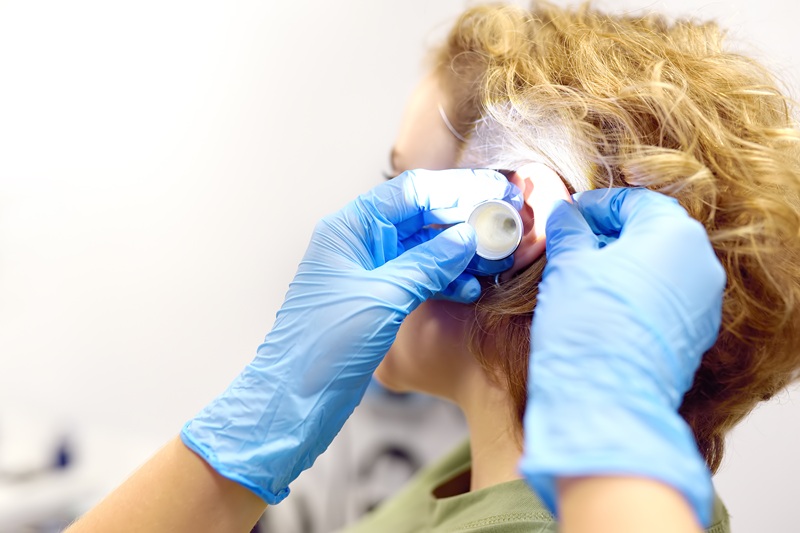
- An initial inspection of the ear canal using an otoscope or microscope
- The removal procedure itself, which usually takes around 20 to 30 minutes
- A post-removal check to confirm the ear canal is clear
- Advice on how to manage wax between appointments if needed
Most people notice an immediate improvement in hearing clarity after the procedure.
Looking After Your Ear Health Between Appointments
While professional ear wax removal by an audiologist is the safest way to manage significant buildup, there are a few things that may help in between appointments for some people. Softening drops, such as olive oil or over-the-counter cerumenolytic preparations, can sometimes help wax move more naturally.
However, it’s important to remember that these are not suitable for everyone, particularly those with a history of perforated eardrums or ear infections. So, it is worth checking with your audiologist before using them.
Avoiding cotton buds and other objects in the ear canal is also strongly recommended, as these tend to compact wax rather than remove it.
Book a Professional Ear Wax Removal Appointment
Your hearing is worth looking after, and blocked ears from ear wax are one of the most straightforward issues for a qualified audiologist to assess and address.
If you have been experiencing any of the symptoms mentioned above, or if you are simply considering getting an ear wax removal, check with our audiologists at Audience Hearing. Our team provides a gentle, thorough assessment to keep your ears healthy.
Book an appointment with us to help you hear clearly again.
Frequently Asked Questions
1. How often should I have professional ear wax removal?
This varies from person to person. Those who wear hearing aids or in-ear devices regularly may benefit from ear wax removal every 3 to 6 months. Others who experience occasional buildup may only need it once or twice a year, or as symptoms arise. An audiologist can help you determine the right frequency for your situation.
2. What are the signs that I need ear wax removal?
Common signs you need ear wax removal include muffled hearing, a feeling of fullness in the ear, tinnitus, earache, or itchiness inside the ear canal. If these symptoms persist, it is worth having your ears assessed by a professional.
3. Is microsuction ear wax removal safe?
Yes. Microsuction ear wax removal is considered a safe and well-tolerated method when performed by a qualified clinician. It uses gentle suction under microscope guidance, allowing the audiologist to view the ear canal clearly throughout the procedure.
4. Can I remove ear wax at home?
Using softening drops such as olive oil may help with mild wax buildup for some people, but this is not suitable for everyone. Cotton buds, ear candles, and similar tools are generally not recommended, as they can push wax deeper or cause injury. If you are experiencing symptoms, professional ear wax removal by an audiologist is the safer option.
5. Do I need a referral to have my ear wax removed?
No. You can book a professional ear wax removal appointment directly at Audience Hearing without a GP referral.
6. Will I notice a difference straight away after ear wax removal?
Many people experience an immediate improvement in hearing clarity following the procedure. Results can vary depending on the degree of blockage and whether any other factors are contributing to your symptoms.
7. How do I book an ear wax removal appointment at Audience Hearing?
You can book directly through the Audience Hearing. Our audiologists will assess your ears and recommend the most appropriate approach for your needs.