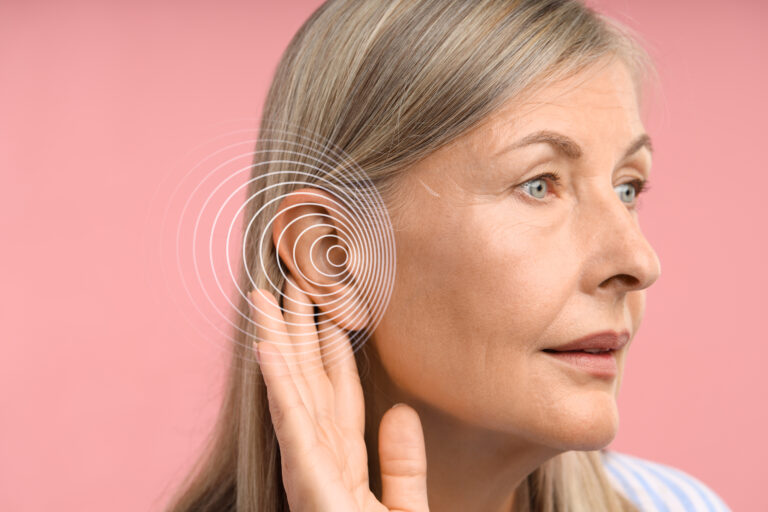
Many Australians typically book a hearing test because they are turning the TV up, missing parts of conversations, or finding group settings harder to follow. What most people do not realise is that the same appointment can also raise early questions about brain health.
Research over the past decade has consistently linked hearing loss and cognitive decline, and audiologists are often the first health professionals to notice the pattern.
This does not mean a hearing test is a dementia test. It is not. But a thorough hearing assessment for older adults can pick up changes that are worth paying attention to, and in some cases, it can prompt the conversation with a GP that leads to further investigation.
Let’s take a closer look at what a hearing test actually checks, what the research says about hearing loss and brain health, and why early assessment matters for ageing adults.
What a Hearing Test Actually Checks
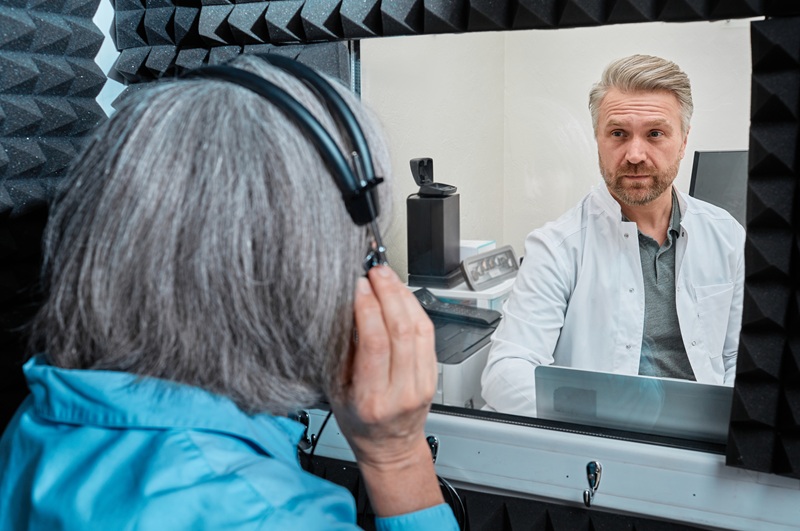
A standard hearing test measures how well you hear tones at different pitches and volumes, and how well you understand speech, particularly in background noise. It is designed to identify the type, degree, and pattern of any hearing loss. You can read more about what this involves in our guide to the common causes of hearing loss in adults.
A hearing test does not diagnose dementia. It cannot see changes in the brain, and it cannot replace a cognitive assessment by a GP or specialist.
However, the way you perform during a hearing test, particularly on speech-in-noise tasks, can give an audiologist useful information about how well your auditory system and brain are working together.
The Link Between Hearing Loss and Cognitive Decline
The connection between hearing loss and cognitive decline has been one of the most consistent findings in recent audiology research. The Lancet Commission on dementia prevention identifies untreated hearing loss as the single largest modifiable risk factor for dementia across the lifespan.
Several mechanisms are thought to be involved:
- When the brain has to work harder to process unclear sounds, it uses resources that would otherwise support memory and thinking
- Reduced hearing can lead to social withdrawal, which is itself a risk factor for cognitive decline
- Parts of the brain that process sound may shrink or change structure when they are not receiving clear signals
- The underlying vascular and cellular changes that affect hearing may also affect brain tissue
None of this means hearing loss causes dementia in a direct or inevitable way. It means that the two are linked closely enough that addressing hearing loss early is one of the clearest things you can do for long-term brain health and hearing loss outcomes.
Early Signs of Dementia Hearing Loss Can Flag
Remember that a hearing test will not flag dementia on its own. But during a hearing assessment, an audiologist may notice patterns that warrant a conversation. These can include:
- Difficulty understanding speech that is out of proportion to the hearing loss shown on the audiogram
- Unusually poor performance on speech-in-noise testing
- Asking for frequent repetition during the appointment
- Becoming easily fatigued or losing track during testing
- Difficulty following multi-step instructions
On their own, these are not diagnostic of anything. Hearing loss alone can explain most of them. But when several appear together, particularly in someone over 65, an audiologist may suggest a conversation with a GP about cognitive screening alongside managing the hearing loss itself.
Why Early Hearing Checks Matter for Ageing Adults
Age-related hearing loss is gradual. Most people adjust to it without realising how much they are compensating by asking for repetition, reading lips, or avoiding noisy environments.
By the time hearing loss becomes obvious, the brain has often been working harder than it should for years.
A hearing check for ageing adults, ideally every one to two years from age 50, gives you a baseline and helps catch changes early. If hearing loss is found, treating it promptly with properly fitted hearing aids may help reduce the extra cognitive load and make social engagement easier.
This is what our adult hearing loss treatment service is designed to support.
For many Australians over 65, hearing assessments and hearing aids are available at no cost through the Hearing Services Program. If you are a pensioner, veteran, or DVA card holder, you can book directly with our veterans and pensioners hearing services team.
You can also read our overview of what the HSP covers if you are not sure whether you qualify.
What Your Hearing Test Results Can and Cannot Tell You
When your audiologist walks you through your results, they will cover three things: how well you hear across different pitches, how well you understand speech, and what pattern of hearing loss (if any) is present. The results can tell you:
- Whether you have hearing loss, and in which frequencies
- Whether the loss is related to the outer, middle, or inner ear
- How well you understand speech in quiet and in noise
- Whether hearing aids are likely to help
Your results cannot tell you whether you have dementia or whether you will develop it.
What they can do is give you and your GP a clearer picture when hearing difficulties appear alongside other concerns. Acting on what the results do show, particularly by treating any hearing loss that is found, is one of the most practical things you can do for both your hearing and your long-term cognitive health.
A Hearing Assessment May Help Give Answers
Looking after your hearing is one of the most practical things you can do to stay connected, active, and mentally engaged as you age. A hearing test will not diagnose dementia, but it can identify changes in your hearing early, give you a clear baseline, and support the broader picture of your brain health.
If you have been meaning to check your hearing, or if someone in your family has been asking you to, book a hearing assessment with our audiologists at Audience Hearing. Our team will walk you through the results clearly and talk you through what, if anything, they suggest for next steps.
Book an appointment with us to understand your hearing better.
Frequently Asked Questions
1. Can a hearing test detect dementia?
No. A hearing test measures hearing and speech understanding, not cognitive function. However, an audiologist may notice patterns during testing that suggest further assessment from a GP is worth considering, particularly in older adults.
2. How is hearing loss linked to dementia?
Research has identified untreated hearing loss as the largest modifiable risk factor for dementia. The exact mechanisms are still being studied, but they include increased cognitive load, social withdrawal, and changes in brain structure. Treating hearing loss early is considered one of the more practical steps people may take for long-term brain health.
3. What can a hearing test detect?
A hearing test can detect the type, degree, and pattern of hearing loss, identify issues with the outer, middle, or inner ear, and measure how well you understand speech in quiet and noisy environments. It forms the basis of any further hearing care recommendations.
4. How often should older adults have a hearing test?
Adults over 50 should have a hearing assessment every one to two years, or sooner if they notice changes. For those over 65, or for pensioners and veterans, regular assessments are available through the Hearing Services Program.
5. Do I need a referral for a hearing test?
No. You can book directly with our audiologists. If you are an HSP or DVA client, we will make sure everything is documented correctly for your program.
6. What happens during a hearing assessment for older adults?
A typical assessment takes around 45 minutes and includes a conversation about your hearing history, a physical check of your ears, a series of tone and speech tests, and a walk-through of the results. If hearing loss is found, we will discuss what your options look like.
7. How do I book a hearing test at Audience Hearing?
You can book directly through the Audience Hearing contact page. Our audiologists will assess your hearing and talk you through what the results mean for you.