There is a lot to think about when tackling a home renovation, including plans, materials, tools, timelines, and costs. Unfortunately, hearing protection is something that often gets overlooked.
Many DIY enthusiasts do not realise just how loud common power tools can be, or how quickly repeated noise exposure can affect their hearing over time.
If you regularly do work around the home, understanding when and why to wear ear plugs for home renovation tasks is an important part of looking after your long-term health.
Let’s explore how loud DIY tools actually are, what risks they pose, and what to look for when choosing the right ear protection.
How Loud Are Home Renovation Tools?
One of the most common questions people ask is: how loud are home renovation tools, really? The answer may surprise you.
Sound is measured in decibels (dB). Prolonged exposure to sounds at or above 85 dB is generally considered to carry a risk of noise-induced hearing loss. Unfortunately, many household power tools exceed this level significantly.
Some common examples include:
- Angle grinder — approximately 100 dB
- Circular saw — approximately 100–105 dB
- Hammer drill — approximately 95–100 dB
- Random orbital sander — approximately 90–95 dB
- Nail gun — approximately 100 dB
- Jackhammer or rotary hammer — approximately 105–110 dB
Even shorter tasks involving these tools can contribute to cumulative hearing damage over time, particularly if you are doing renovation work regularly.
This is why ear protection for drilling, sanding, and cutting is worth taking seriously, even for weekend DIY projects.
What Is Noise-Induced Hearing Loss?
Noise-induced hearing loss is a type of hearing damage caused by exposure to loud sounds. Unlike some other causes of hearing loss, it tends to develop gradually and is often permanent.
What makes it particularly worth knowing about is that it is largely preventable. Wearing the right protective ear plugs at the right times is one of the most effective ways to reduce your risk, whether you are a professional tradesperson or someone who simply enjoys working on their home.
Early signs that noise may be affecting your hearing can include ringing in the ears after using tools (tinnitus), muffled hearing following noisy tasks, or difficulty following conversations after a period of noise exposure.
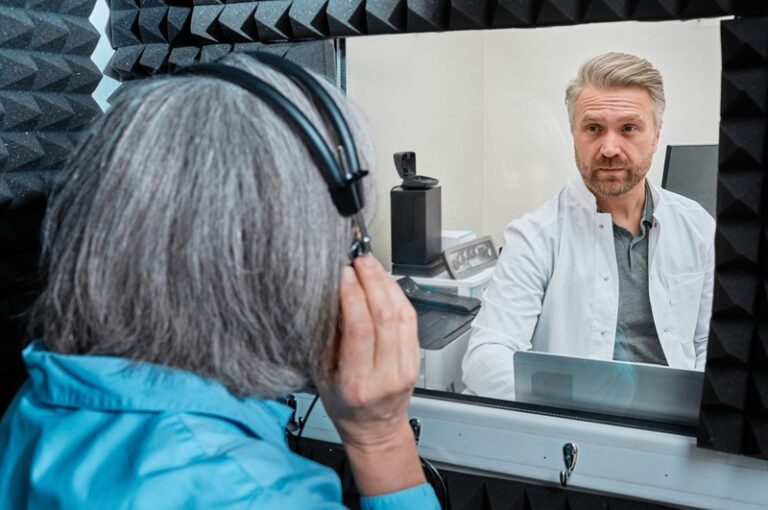
If you notice any of these, it is worth speaking with an audiologist.
When Should You Wear Ear Plugs at Home?
Knowing when to wear ear plugs at home is not always obvious, especially if the noise feels manageable in the moment. A general rule of thumb is to use hearing protection whenever you are using power tools, operating loud machinery, or working in a noisy environment for more than a few minutes at a time.
Some specific situations where ear plugs for DIY projects are worth considering include:
- Drilling into masonry, tiles, or concrete
- Using an angle grinder or circular saw
- Sanding large surfaces with an electric sander
- Operating a nail gun or air compressor
- Working near a generator
- Demolishing walls or tiles with a hammer
Even tasks that feel brief can be harmful when done repeatedly.
If you are spending a full day or weekend on a renovation project, the cumulative noise exposure adds up quickly.
Choosing the Right Noise Reduction Ear Plugs
It’s important to remember that not all ear plugs offer the same level of protection. When choosing noise reduction ear plugs for home renovation work, there are a few things worth considering.
Noise Reduction Rating (NRR)
Ear plugs are rated for the level of noise reduction they provide. For most DIY tasks involving power tools, a product with a reasonable NRR is generally appropriate. Your specific needs may vary depending on how loud your tools are and how long you are using them.
Comfort and Fit
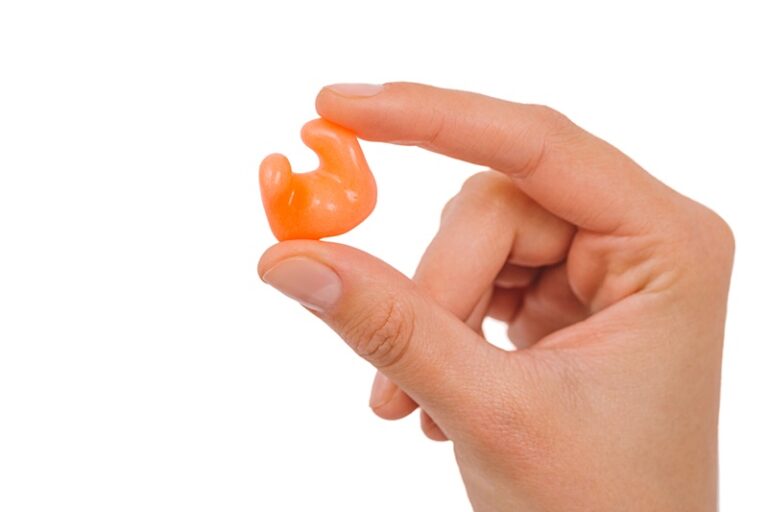
Ear plugs that do not fit properly may not provide effective protection, even if they have a high NRR. For occasional home use, universal-fit earplugs can work well. However, if you do renovation work frequently, custom-moulded options may offer a better long-term solution.
Reusability
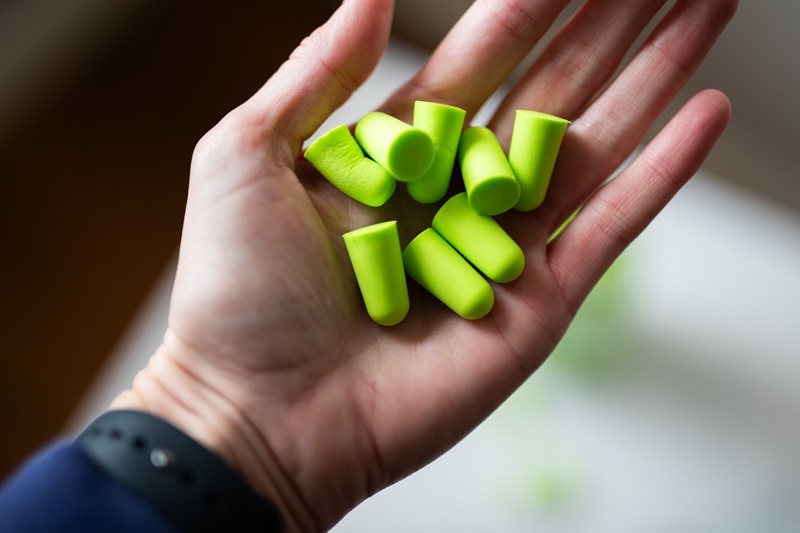
Disposable foam ear plugs are widely available and inexpensive, making them a practical choice for occasional use. Reusable ear plugs tend to be more cost-effective over time and are often made from more durable materials.
Situational Awareness
Some ear plugs are designed to reduce harmful noise levels while still allowing you to hear conversation and ambient sounds at a safer volume. This can be useful if you need to communicate with others while working.
Protect Your Hearing During Renovation Projects
Hearing protection for home renovations does not need to be complicated. Having a reliable pair of ear plugs on hand before you start a project is a simple habit that can make a meaningful difference to your hearing health over the long term.
Whether you are planning a large-scale renovation or a smaller weekend project, making ear protection part of your standard safety routine is a straightforward step in the right direction.
If you’re keen on getting a custom-made ear plug for your home project or any event that exposes your ears to high decibels, Audience Hearing may offer a range of earplugs suited to different needs.
Set a consultation first to have your ears fitted for custom ear plugs.
Frequently Asked Questions
1. Do I really need ear plugs for DIY and home renovations?
Yes, wearing ear plugs for home renovation tasks is advisable when using power tools or working in consistently noisy conditions. Many common tools produce sound levels that can contribute to noise-induced hearing loss over time, particularly with repeated exposure.
2. How loud do tools need to be before I should wear ear protection?
As a general guide, hearing protection is recommended when noise levels reach or exceed 85 dB. Most power tools used in home renovation, including drills, sanders, and saws, can exceed this threshold. When in doubt, wearing ear plugs is a sensible precaution.
3. What type of ear plugs are best for DIY projects?
The best ear plugs for DIY projects depend on your specific needs. Disposable foam ear plugs are convenient for occasional use, while reusable or custom-moulded options may be more suitable for those who do renovation work regularly.
Look for products with an appropriate noise reduction rating for the tools you are using.
4. Can noise from home renovation cause permanent hearing damage?
Yes. Noise-induced hearing loss from power tools and renovation work is generally considered permanent once it occurs. This is why noise-induced hearing loss prevention, including wearing appropriate ear plugs, is important, even for short or occasional tasks.
5. Are universal fit ear plugs enough, or do I need custom ones?
Universal fit ear plugs can provide adequate protection for most DIY tasks when worn correctly. However, if you do renovation work frequently or for extended periods, custom-moulded ear plugs may offer a more consistent fit and better long-term comfort.
6. Where can I buy ear plugs for home renovation in Australia?
Audience Hearing stocks a range of ear plugs suited to various needs, including hearing protection for home and DIY use. You can browse the full range online and find an option that suits your level of noise exposure and comfort preferences.