You may have felt a sharp pain in your ear on a flight. Or perhaps a cotton bud went in too far. Soon the pain faded, but your hearing felt muffled, and something seemed to drain from the ear.
The catch is that these signs may point to a perforated eardrum. They are also easy to mistake for a blocked ear. This guide explains what a perforated eardrum is, what causes it and when to get checked.
If this sounds familiar to you, our audiologists want to help you know what to look for and what to do next.
What Is a Perforated Eardrum?
A perforated eardrum is a tear or hole in the eardrum. You may also hear it called a ruptured eardrum, a burst eardrum or a tympanic membrane perforation.
The eardrum is a thin membrane that separates your outer ear from your middle ear. That position gives the eardrum two jobs. It passes sound to the middle ear, which is why damage can affect your hearing. It also helps keep water and germs out of the middle ear.
A hole in the eardrum can therefore affect both your hearing and your ear health.
Perforated Eardrum Symptoms to Look For
Perforated eardrum symptoms vary from person to person, and they depend on how bad the tear is. Common ruptured eardrum symptoms include:
- Reduced hearing, which can be mild or more noticeable.
- Ear pain, especially after an injury or an infection.
- Fluid draining from the ear, which may be clear or contain pus or blood.
- Ringing or buzzing in the ear, known as tinnitus.
- Dizziness or a spinning sensation.
- Air escaping from the ear when you blow your nose.
One sign surprises many people: pain that suddenly goes away. This can happen when the eardrum ruptures and releases pressure that built up during a middle ear infection. If an infection is present, you may also have a fever.
Changes in hearing are often the biggest worry. Perforated eardrum hearing loss usually improves once the hole has healed. However, if the ear stays infected, hearing loss can last longer or even become permanent.
Perforated Eardrum Causes
The symptoms you notice often depend on what caused the tear. Common perforated eardrum causes include:
- Middle ear infection. Fluid builds up behind the eardrum, and the pressure can make it rupture.
- Sudden pressure changes. These can happen during air travel or scuba diving.
- Sudden loud noise. An explosion is one example.
- An object in the ear. This includes ear buds, cotton buds and matchsticks.
- A hard blow to the ear or head. A slap or a sports injury can be enough.
Because middle ear infections are a common trigger, young children are more likely to be affected. Most children have at least one before they start school. Hearing can change for other reasons too, which are mentioned in our guide to common causes of hearing loss in adults.
Perforated Eardrum Treatment and Healing Time
The good news is that most perforations heal without treatment. According to myDr, there’s a good chance of healing within a few weeks. This depends on the ear staying dry and free of infection.
For that reason, perforated eardrum treatment often focuses on protecting the ear while it heals. This means:
- Keeping the ear dry, using earplugs or a shower cap in the shower and avoiding swimming.
- Not blowing your nose hard, because this puts pressure on the eardrum.
- Not cleaning inside the ear.
- Holding a warm face washer against the ear for comfort.
Sometimes waiting isn’t enough. If you have an ear infection, or there’s a risk of one, your doctor may prescribe antibiotics. If the eardrum doesn’t heal by itself, your GP may refer you to an ear, nose and throat (ENT) surgeon.
Depending on the size of the hole, the surgeon can repair it with a small patch or with surgery. Perforated eardrum healing time varies, so a consultation with an audiologist may help to tell you what to expect.
When to Get Your Ear Checked
If you think you have a perforated eardrum, see your doctor. Most heal on their own, but sometimes treatment is needed. A check also matters because the eardrum protects the middle ear. When it’s damaged, infection can follow.
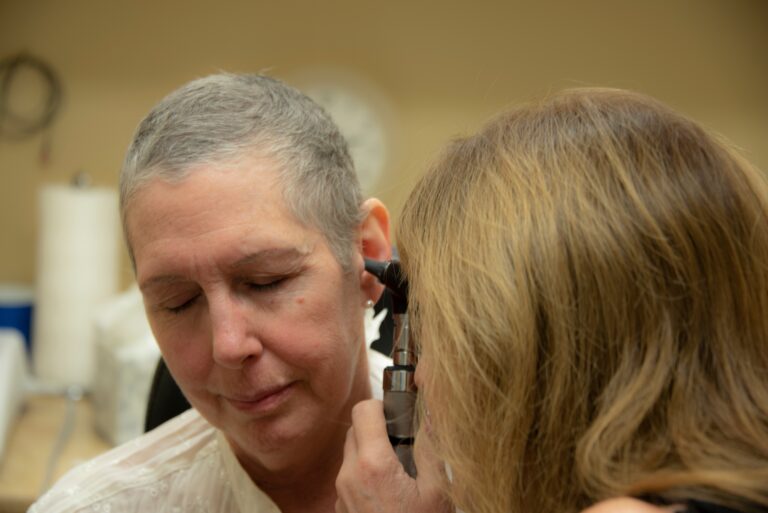
Your doctor will look inside your ear with a lighted instrument called an otoscope. They may also arrange hearing tests to see how much your hearing is affected. Our guide to what happens in an audiometry examination explains what these tests involve.
Some situations are more urgent. If you lose hearing suddenly, go to your local emergency department straight away.
Ways to Protect Your Eardrums
Some simple habits may help prevent a perforation. These include:
- Not putting anything in your ear, including cotton buds, hairpins and pencils.
- Using earplugs or ear muffs around loud noise.
- Getting medical help early for signs of a middle ear infection.
- Leaving foreign objects to a health professional, because trying to remove them yourself can rupture the eardrum.
Get Your Ear and Hearing Checked
A perforated eardrum is a tear or hole that can cause pain, drainage and changes in hearing. Many heal on their own within weeks, but a check can show whether an infection or another problem needs attention.
If you suspect a perforated eardrum, talk to us about an advanced hearing test at Audience Hearing. It includes tympanometry, which assesses how your middle ear is working, alongside a full hearing assessment. Our audiologists will help you understand your condition.
Book an appointment with us today.
Frequently Asked Questions
Can a perforated eardrum heal on its own?
Yes, in most cases. According to myDr, healing within a few weeks is likely if the ear stays dry and free of infection. Sometimes treatment is needed, so it’s still worth seeing an audiologist.
Can you fly with a perforated eardrum?
It’s usually safe to fly with a perforated eardrum, according to myDr. Pressure can equalise more easily through the hole. It’s best to avoid flying when your ears or nose are blocked, such as with a head cold.
Is a ruptured eardrum painful?
It can be, especially after an injury or if the ear becomes infected. Pain from a middle ear infection may suddenly ease when the eardrum ruptures and the pressure is released.
Can I shower or swim with a perforated eardrum?
You can shower with care, but the ear must stay dry. Water inside the ear could lead to infection. Use earplugs or a shower cap, and avoid swimming while the eardrum heals.
How do I know if my eardrum is perforated?
Only an examination can confirm it. Symptoms such as pain, fluid draining and muffled hearing can have other causes too. A doctor will look inside your ear with an otoscope and may arrange hearing tests.