Has your cold cleared up, but your ear hasn’t? Perhaps voices sound dull, or it feels like you’re listening through cotton wool. A blocked ear after a cold is common, and it often settles with time.
Still, other causes are possible, and some are worth checking.
This guide explains what’s going on, what may help, and when to get your ear looked at.
Why You Can Get a Blocked Ear After a Cold
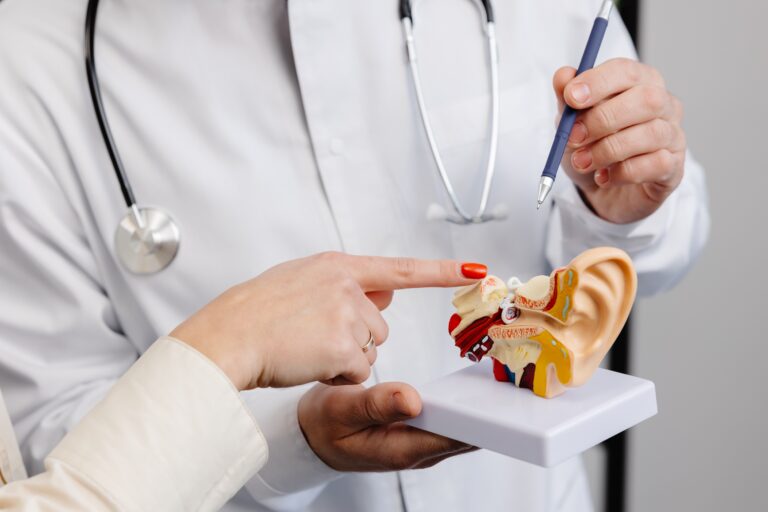
Behind your eardrum sits the middle ear. A narrow passage called the eustachian tube links it to the back of your nose. A JAMA Otolaryngology patient page explains that the tube opens when you yawn or swallow. This helps even out pressure behind your eardrum.
A cold can get in the way. It also mentions that allergies and nose infections, such as a cold, are common causes of eustachian tube dysfunction. That’s when the tube is blocked or doesn’t open properly.
Swelling or a build-up of mucus can be behind it. Your ear may feel full or blocked, and you may not hear as well. Ear pain, ringing, or popping sounds can also happen.
That’s why a blocked ear from a cold often arrives alongside a stuffy nose. The page lists smoke exposure and enlarged adenoids, tissue at the back of the nose, as other causes.
Will a Blocked Ear Clear on Its Own?
Often it does. The JAMA page says not everyone needs treatment. It’s common for symptoms to improve on their own. In long-lasting cases, it adds, fluid can build up in the middle ear and cause temporary hearing loss.
It helps to keep a short note of when the blockage started and whether it’s improving. See your regular doctor if you think you have the problem. Your doctor may suggest a hearing test or refer you to an ear, nose and throat (ENT) specialist.
Waiting isn’t always the right answer, though. Pain, fever, leaking fluid, or sudden changes in hearing deserve attention sooner, as the sections below explain.
Other Causes of a Blocked Ear
A cold isn’t always the whole story. These other blocked ear causes can feel similar:
- Ear wax build-up. Healthdirect lists a full feeling in the ear, earache, ringing, and hearing problems as signs. Cotton buds, hearing aids, and earplugs can encourage build-up over time. Healthdirect adds that build-up isn’t a sign of poor hygiene.
- Middle ear infection. Healthdirect says this often starts with a cold. Symptoms can include ear pain, fever, and trouble hearing.
- Fluid in the ear. After an infection clears, sticky fluid may stay in the middle ear. This is sometimes called glue ear.
Because the symptoms overlap, it can be hard to tell the causes apart at home. Our guide to a perforated eardrum explains one more cause to know about.
What May Help, and What to Avoid
If your cold is the likely cause, patience is often the first step. The JAMA page says simple exercises may help open the tubes, such as swallowing, yawning, or chewing gum. Medical treatment, it adds, focuses on easing nasal congestion and inflammation. Ask your pharmacist or doctor what suits you, and read labels carefully.
If you’re flying soon and have recently had an ear infection, Healthdirect advises speaking to your doctor first.
If wax is the cause, Healthdirect says olive oil or pharmacist wax-softening drops may help. Check with your pharmacist or doctor first, especially if you have pain.
Equally important is what to skip:
- Don’t poke cotton buds, fingers, or other objects into your ear. Healthdirect says this can push wax in further and may damage your ear.
- Don’t try ear candles. Healthdirect warns they can cause burns and damage to your eardrums. Our guide asks is ear candling safe and covers why.
When to Get a Blocked Ear Checked
It’s worth having your ear looked at if it isn’t improving, or if you’re unsure what’s causing it. Healthdirect also says to see a doctor about ear wax if:
- you think your ear might be infected
- you have hearing loss in one or both ears
- you’ve had ear surgery or an injured eardrum before
- your ear hasn’t cleared after 5 days
Adults who get repeated ear infections should see an ear, nose and throat (ENT) specialist, according to Healthdirect. It helps to mention when your cold started and which ear is blocked. Also say whether you’ve had pain, ringing, or dizziness.
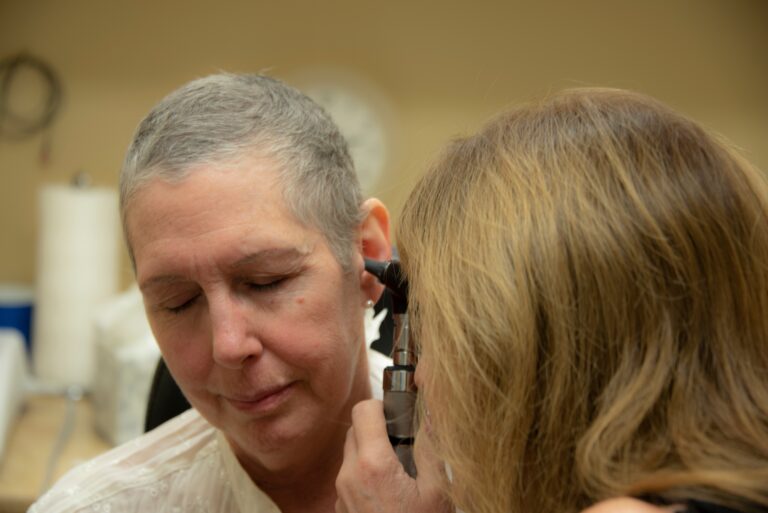
An audiologist can look into your ear canal and check for wax. They can also carry out a hearing assessment that includes tympanometry, a test that checks how your eardrum moves. Our guide to microsuction and irrigation explains the main ways wax is removed.
When to See a GP or Seek Urgent Care
Sudden hearing loss is different. If your hearing drops suddenly, go to your local emergency department. Call 000 when needed.
Healthdirect also lists hearing loss with dizziness, ear pain, or ringing as a reason to seek urgent care. The same goes for hearing loss after a head injury or loud noise. Redness, pain, or swelling of the bone behind your ear needs urgent advice, too.
See your GP for fluid leaking from your ear, fever, or vomiting.
How Audience Hearing Can Help You Get Clear Answers
A blocked ear after a cold often settles with time. It’s still reasonable to check when it lingers or feels different. Our audiologists can look into your ear canal and talk through what they find. If wax is part of the picture, we offer ear wax removal using microsuction.
Our team at Audience Hearing offers ear wax removal for patients in Liverpool, Leppington, Mt Annan, and Wollongong. If your ear still feels stuffed, call us on 1300 432 748 and we’ll help you find a time.
Frequently Asked Questions
1. How Long Does a Blocked Ear Last After a Cold?
It varies from person to person. A JAMA Otolaryngology patient page says it’s common for symptoms to improve on their own. Healthdirect says to see a doctor if wax build-up hasn’t cleared after 5 days. If your ear isn’t improving, or you have pain or leaking fluid, get it checked.
2. Can a Blocked Ear After a Cold Affect My Hearing?
Yes, it can. The JAMA page says you may not hear well out of the affected ear. Long-lasting cases can lead to fluid build-up and temporary hearing loss. If your hearing feels reduced in one or both ears, Healthdirect advises seeing a doctor. A hearing test can then show how well you hear different sounds.
3. Can I Fly with a Blocked Ear?
Healthdirect says to speak to your doctor before flying if you’ve recently had an ear infection. The JAMA page says swallowing, yawning, or chewing gum may help open the eustachian tubes. If your ear is painful, or you’re unsure, get advice before you travel.
4. Do I Need a Referral for Ear Wax Removal?
At Audience Hearing, no referral is needed, and you can book an ear wax removal appointment directly. Healthdirect notes that a doctor may refer you to an ENT clinic if the wax is too hard to remove. Our team can explain which option suits you when you call.
5. Is It Safe to Use Cotton Buds to Clear a Blocked Ear?
No. Healthdirect says cotton buds and other objects can push wax in further and may damage your ear. It advises cleaning only the outer part of the ear. It also warns that ear candles can cause burns and damage to your eardrums. If your ear feels blocked, a professional check is a safer next step than poking around inside.
6. Why Is My Ear Blocked When My Cold Has Gone?
It’s possible the eustachian tube is still recovering, or that something else is going on. Wax or fluid in the ear is another possibility. Healthdirect says a simple ear examination will show whether there’s wax build-up. An audiologist at our clinic can look into your ear canal.