Buying a hearing aid in Australia can feel overwhelming. There are dozens of models, several styles, multiple brands, and a mix of government subsidies and private funding options to work through.
Most people looking at hearing aids for the first time have three practical questions: which one is right for me, what will it cost, and can the government help?
With this guide, we will help you answer all three of these questions. We will cover how to choose the right hearing aid for your hearing loss and lifestyle, what hearing aids typically cost in Australia, and the main government funding pathways that reduce or eliminate that cost for eligible Australians.
How to Choose the Right Hearing Aid for You
Before anything else, we would like you to know that there is no single “best” hearing aid. The right one depends on your assessment with your audiologist, including your hearing, your lifestyle, and your priorities.
That said, a few factors matter most when choosing.
Start With Your Hearing Loss
The type and degree of your hearing loss is the first filter.
Some styles suit mild to moderate loss only, while others handle severe or profound loss. An audiologist will confirm this from your hearing test results.
If you haven’t had your hearing checked in the last two years, that’s the place to start. It’s better to book a hearing assessment first before comparing devices.
Consider Your Lifestyle
Think about where you spend most of your time:
- Quiet home environments — most styles will suit
- Busy social settings, restaurants, or meetings — you’ll benefit from directional microphones and noise handling
- Outdoors or physically active — wind noise reduction and durability matter more
- Regular phone use, streaming, or TV — Bluetooth compatibility is worth prioritising
Choose a Style
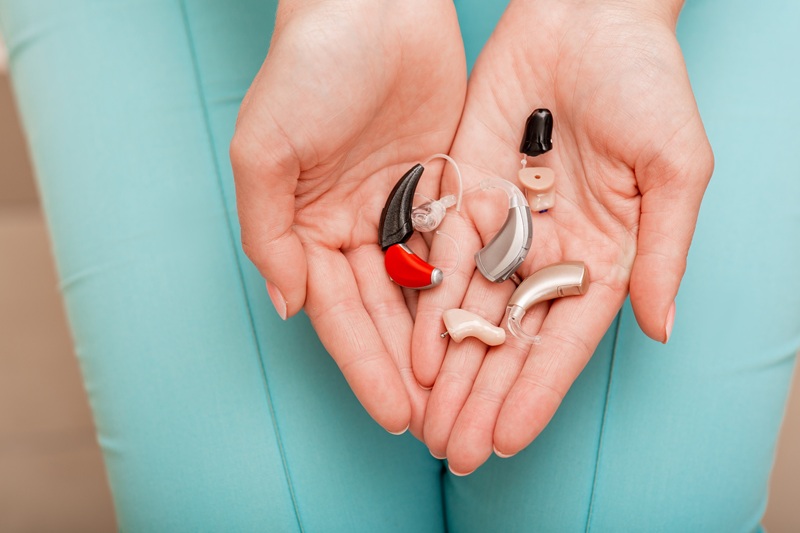
There are five main hearing aid styles available in Australia, and these are also available in Audience Hearing:
- Behind-the-ear (BTE) — the main body sits behind your ear, connected by a tube to the ear canal. Suits all levels of hearing loss.
- Receiver-in-canal (RIC) — smaller behind-the-ear body with a speaker inside the ear canal. Popular first-time choice.
- In-the-ear (ITE) — sits in the outer ear, custom-fitted.
- Completely-in-canal (CIC) — sits fully inside the ear canal.
- Invisible-in-canal (IIC) — the smallest style, nearly invisible when worn.
You can also read the broader overview of different types of hearing devices, which covers the full range of these hearing aids.
Prioritise Features That Match Your Daily Life
Modern hearing aids include a lot of features. The ones that actually make a day-to-day difference for most people are:
- Rechargeable batteries — charge overnight, no fiddly small batteries
- Bluetooth streaming — direct phone calls, music, and TV audio
- Noise reduction and directional microphones — better speech clarity in noisy places
- Smartphone app control — adjust settings for different environments
- Tinnitus features — masking sounds built into the aid
You don’t need every feature. Pick the ones that solve the situations you find hardest.
How Much Do Hearing Aids Cost in Australia?
Hearing aid costs vary widely depending on the technology level, style, and features. As a general guide:
| Technology Level | Typical Price Range (per pair) | Suitable For |
| Entry-level | $2,000 – $3,500 | Quiet environments, straightforward hearing needs |
| Mid-range | $3,500 – $6,000 | Most active users, moderate social settings |
| Premium | $6,000 – $10,000+ | Complex listening environments, advanced features |
Disclaimer: These figures reflect private purchase pricing. Government-funded hearing aids are also available at no cost or with a small top-up fee for eligible Australians, which will be discussed further later.
A few things worth understanding about hearing aid pricing:
- The price usually includes the device, fitting, follow-up appointments, warranty, and ongoing support
- Rechargeable hearing aids in Australia sit slightly above their disposable-battery equivalents
- Most audiologists offer trial periods, so you can test a device before committing
- Private health insurance extras may reimburse part of the cost
Government Funding for Hearing Aids
Three main government pathways help eligible Australians access hearing aids at reduced or no cost. Each has different eligibility rules.
The Hearing Services Program (HSP)
The Hearing Services Program is the main pathway for older Australians and eligible groups. Administered by the Department of Health and Aged Care, it provides free or subsidised hearing aids, ongoing maintenance, and assistive listening devices for eligible people.
You may be eligible for the voucher scheme if you’re an Australian citizen or permanent resident aged 21 or over, and you’re:
- A Pensioner Concession Card holder
- A DVA Gold Card holder, or a White Card holder with an accepted hearing-related condition
- A dependent of someone in one of the above categories
- A current or former permanent or full-time reservist member of the ADF
- Referred through the Disability Employment Services (Disability Management Services) Program
Note: A Commonwealth Seniors Health Card on its own does not provide eligibility for the program. Separate eligibility applies for people under 26 and eligible Aboriginal and Torres Strait Islander people over 50 under the program’s Community Service Obligations stream.
Because eligibility is specific and can change, the most accurate way to check is the Australian Government’s official eligibility checker.
DVA (Department of Veterans’ Affairs)
If you’re a veteran with a DVA Gold Card, or a White Card holder with hearing loss accepted as a service-related condition, DVA provides fully subsidised hearing services, including hearing assessments, hearing aids, batteries, repairs, and ongoing maintenance.
Veterans access DVA hearing services through the same accredited providers as HSP clients. Our guide to understanding hearing loss for veterans walks through the process. Audience Hearing is an accredited provider under both schemes.
NDIS Hearing Support
The National Disability Insurance Scheme covers hearing aids for eligible participants under 65 whose hearing loss is a permanent disability affecting their ability to live independently, work, or participate in the community.
NDIS funding for hearing aids typically covers the device, fitting, batteries, and ongoing maintenance. Eligibility is assessed as part of your NDIS plan review.
Speak to your NDIS coordinator or plan manager to know how you can include hearing support in your plan.
Free Hearing Aids for Seniors in Australia
The most common question we get from older Australians is whether they can access free hearing aids. The short answer is yes, if you’re eligible for the HSP.
Free hearing aids for seniors in Australia are provided through the HSP for eligible pensioners and concession card holders. The fully subsidised device range includes reliable, modern hearing aids designed for everyday use.
However, if you want additional features like advanced Bluetooth or top-tier noise reduction, top-up options are available for a fee. Providers must offer you the fully subsidised range first, so you can decide whether the added features are worth the top-up cost.
Private Health Insurance and Hearing Aids
If you’re not eligible for the HSP, DVA, or NDIS, private health insurance extras cover can help reduce hearing aid costs. Most Australian extras policies include a hearing aid benefit, though the amount and reset period may vary significantly between funds.
A few things to check with your fund before booking:
- Your current hearing aid benefit balance
- When the benefit resets (annual, biennial, or lifetime cap)
- Whether the fund requires you to use a preferred provider
- What documentation they need for the claim
Usually, EOFY (30 June) is a common time to use up remaining benefits, since most policies reset on 1 July.
What to Expect at a Hearing Aid Consultation
Once you’ve had your hearing tested and you’re ready to look at devices, a hearing aid consultation typically covers:
- Review of your hearing test results — the audiologist walks you through what your audiogram shows
- Lifestyle discussion — where you struggle to hear, and what matters most in your daily life
- Style and feature recommendations — matched to your hearing loss, ear anatomy, and priorities
- Trial fitting — you may be able to wear a demo device to compare styles
- Funding review — walking through HSP, DVA, NDIS, or private health options that apply to you
- Quote and next steps — a clear breakdown of costs, if any, and what happens next
There’s no pressure to decide at the consultation. The point of it is to give you a clear picture of what suits you and what it will cost. If you’re a veteran or pensioner considering getting hearing aids, our team at Audience Hearing can help walk you through the process.
Speak With an Audiologist About the Right Hearing Aids for You
Choosing hearing aids in Australia doesn’t need to be complicated.
The right style depends on your hearing, your lifestyle, and how you plan to use them. The right funding pathway depends on your age, employment history, and eligibility for government schemes.
If you’re confused about it, an accredited audiologist can walk you through both in one consultation.
If you’d like a straightforward conversation about your options, speak with our team about which hearing aid suits your lifestyle at Audience Hearing. We are an accredited provider under the HSP and DVA and can help you navigate every funding pathway available to you.
Book an appointment with us today.
Frequently Asked Questions
1. How much do hearing aids cost in Australia?
Hearing aids in Australia typically cost between $2,000 and $10,000+ per pair, depending on the technology level and features. Government subsidies through the HSP, DVA, and NDIS can reduce or eliminate this cost for eligible Australians.
2. Are there free hearing aids for seniors in Australia?
Yes, for those who meet the eligibility. Generally, Pensioner Concession Card holders, eligible DVA card holders, and their dependents. A Commonwealth Seniors Health Card alone does not qualify. Higher-spec devices with more features are available with an optional top-up fee. Check the official eligibility checker to confirm your situation.
3. How much is the government hearing aid subsidy?
The HSP fully subsidises basic hearing aids for eligible Australians, meaning no out-of-pocket cost. If you choose a top-up device with more features, you pay only the difference between the fully subsidised device and the top-up option.
4. Do you need a referral for a hearing aid consultation?
No. You can book a hearing test and consultation directly with an accredited audiologist. If you have a concession card, DVA card, or NDIS plan, bring the relevant details to your appointment.
5. How long do hearing aids last?
Most hearing aids last between five and seven years with regular care. Under the HSP, new hearing aids are generally available every five years for eligible clients.
6. Are rechargeable hearing aids more expensive?
Rechargeable hearing aids typically sit slightly above their disposable-battery equivalents, but the ongoing cost is often lower because you don’t need to buy replacement batteries. Many people find the convenience worth the small upfront difference.
7. What’s the best hearing aid for me?
The best hearing aid depends on your hearing loss, lifestyle, and priorities. A consultation with an audiologist will confirm which styles and features suit you.