Starting a new job is exciting, but the medical checks that come with it can be stressful. For roles in mining, construction, transport, defence, emergency services, and other safety-critical industries, a pre-employment hearing test is a standard part of the process.
Most people pass without issue, but there are some who do not.
If you have been told your pre-employment hearing test results were below the required standard, the first thing to know is that it does not always mean the job is off the table. The next steps depend on the role, the level of hearing change, and what the audiologist’s report recommends.
This guide explains what failing a workplace hearing test actually means, what usually happens next, and what your options are.
What “Failing” a Pre-Employment Hearing Test Really Means
A pre-employment hearing test does not have a simple pass or fail like a driving test. What it actually does is measure your hearing against the specific standard required for the job.
Different roles have different thresholds. For instance, a long-haul driver, a police officer, and a construction worker all face different hearing requirements.
A “fail” usually means your hearing in one or more frequencies sits below what the role requires. It does not necessarily mean you have hearing loss in everyday terms. Many people who do not meet a workplace standard hear well enough for normal life, but not well enough for the safety demands of a specific job.
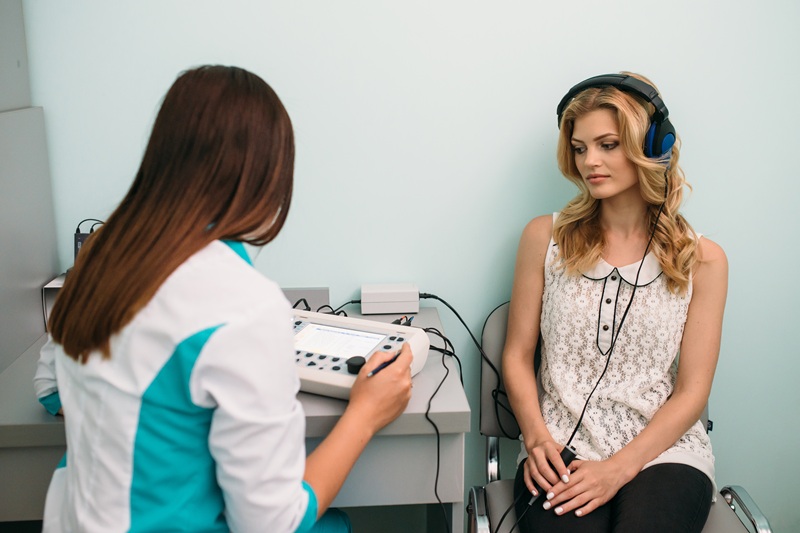
For background on what the test involves, our guide to what happens during a pre-employment hearing test covers it in detail.
Common Reasons People Don’t Pass
Failing a pre-employment hearing test is more common than people realise. The usual causes include:
- Earwax buildup — a blocked ear canal can affect results significantly
- A recent cold, flu, or ear infection — temporary fluid in the middle ear lowers hearing
- Pre-existing noise-induced hearing loss — often from previous workplaces, music, or recreational shooting
- Age-related hearing changes — particularly in higher frequencies
- Tinnitus or other ear conditions — that affect performance during testing
Many of these are temporary or treatable, which is why the next step is rarely a flat-out rejection.
What Usually Happens Next
Failing the test is not the end of the conversation. In most cases, the audiologist or testing provider will recommend one or more of the following:
- A retest after a short period — particularly if a cold, infection, or wax buildup may have affected results
- Ear wax removal — a quick clinical procedure that often improves results immediately
- A medical review — to identify whether an underlying condition is contributing
- A more detailed audiology assessment — to confirm the type and degree of any hearing loss
- A discussion with your employer — about reasonable adjustments or alternative roles
In some cases, people pass a retest a few days later once a temporary issue has cleared. In others, the assessment confirms hearing loss that needs a longer-term plan.
What If You Have Genuine Hearing Loss?
If a follow-up assessment confirms permanent hearing loss, that does not automatically rule you out of the job. Workplaces vary, and many allow workers with mild to moderate loss to continue, sometimes with adjustments. These can include:
- A change of role within the same employer
- Better hearing protection to prevent further damage
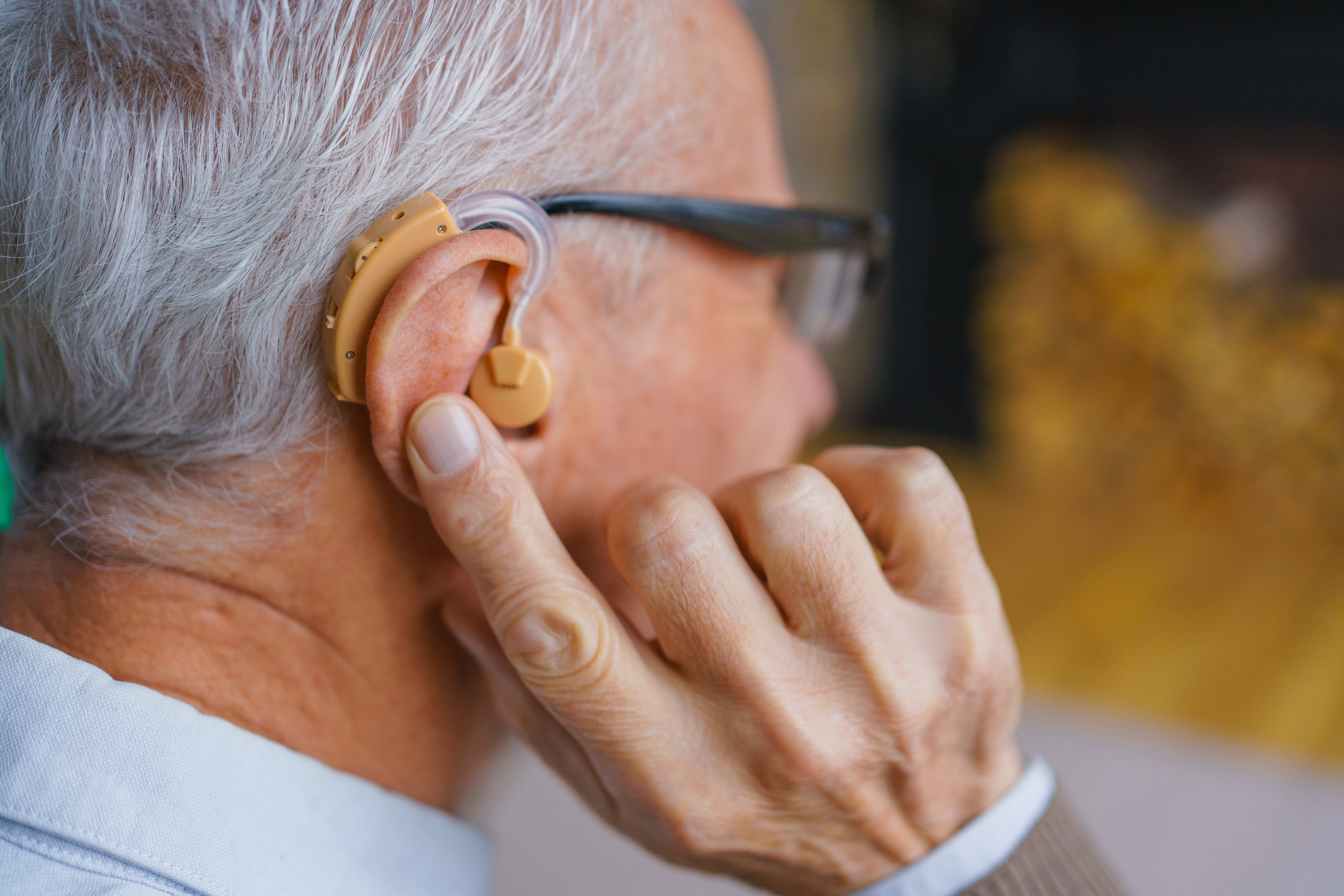
- Hearing aids fitted by an audiologist where appropriate
- A modified workstation or duties
If you have been working in noisy environments for years, an occupational hearing assessment can also reveal whether your hearing loss is related to past workplace noise exposure.
If it is, you may be eligible to look at an industrial deafness claim, which can support compensation and ongoing care. Our guide to the early signs of noise-related hearing loss is also worth reading if you suspect your work history has played a role.
Pre-Employment Hearing Test Assistance: How an Audiologist Can Help
Whether you have just been told you did not pass or you are preparing for an upcoming test, an audiologist can help in several ways. Pre-employment hearing test assistance from a qualified clinic typically includes:
- A clear explanation of what the results actually mean
- A check for wax or temporary issues that may have affected the result
- A more detailed assessment if needed
- A second opinion or independent retest
- Documentation that meets work hearing test requirements and Australian workplace standards
- Recommendations on hearing aids, hearing protection, or treatment if relevant
The earlier you act, the more options you have. A retest with a clear ear and a rested night’s sleep often delivers a different result. If hearing loss is confirmed, an early plan gives you and your employer time to work through what is possible.
Your Rights and Privacy
It is also worth knowing what your employer does and does not see. In most cases, your employer receives a summary that states whether you meet the hearing standard for the role.
They do not automatically receive the detailed audiogram or medical findings unless you consent to share them. You are entitled to a copy of your own results, and you can request these from the audiologist directly.
If you disagree with a result or believe the testing conditions affected it, you are also within your rights to seek an independent review.
Turn an Unexpected Result Into a Plan
Not passing a pre-employment hearing test service can feel like a setback, but it is often the start of a clearer picture of your hearing. In many cases, the issue is temporary, easily treated, or resolved with a follow-up assessment. In others, it is the prompt that helps you protect your hearing for the rest of your working life.
If you have been told your hearing test for employment came back below standard, or if you are preparing for one and want to be sure you are ready, our audiologists at Audience Hearing offer professional pre-employment hearing test assistance and follow-up assessments.
Book a pre-employment hearing test or follow-up appointment with us today.
Frequently Asked Questions
1. What happens if you fail a hearing test for work?
Failing a pre-employment hearing test does not always mean you cannot start the job. Common next steps include a retest, ear wax removal, or a more detailed assessment.
The outcome depends on the role’s hearing standard and whether the issue is temporary or permanent.
2. Can I retake a pre-employment hearing test?
Yes. Many people who fail a first test pass a retest after addressing temporary issues, like wax buildup, a cold, or an ear infection. Your audiologist can advise when to schedule a retest.
3. Will my employer see my full results?
Usually no. Employers receive a summary stating whether you meet the hearing requirements for the role. Detailed audiograms and medical findings remain private unless you consent to share them.
4. Can hearing aids help me pass a workplace hearing assessment?
It depends on the role and the standard required. Some workplaces accept hearing aids for certain roles, others do not. An audiologist can advise based on the specific job and your hearing.
5. What are work hearing test requirements in Australia?
Requirements vary by industry and role. Workplaces in noisy environments must meet AS/NZS 1269.4 standards, and some industries (mining, defence, transport) have additional role-specific thresholds.
Your audiologist will know the standard relevant to your role.
6. Could my hearing loss be from a previous job?
Yes. Long-term workplace noise exposure is one of the most common causes of hearing loss in working-age Australians. If your hearing loss may be work-related, an industrial deafness claim is worth exploring.
7. How do I book pre-employment hearing test assistance at Audience Hearing?
You can book directly through the Audience Hearing contact page. Our audiologists provide pre-employment testing, retests, and follow-up assessments compliant with Australian workplace standards.