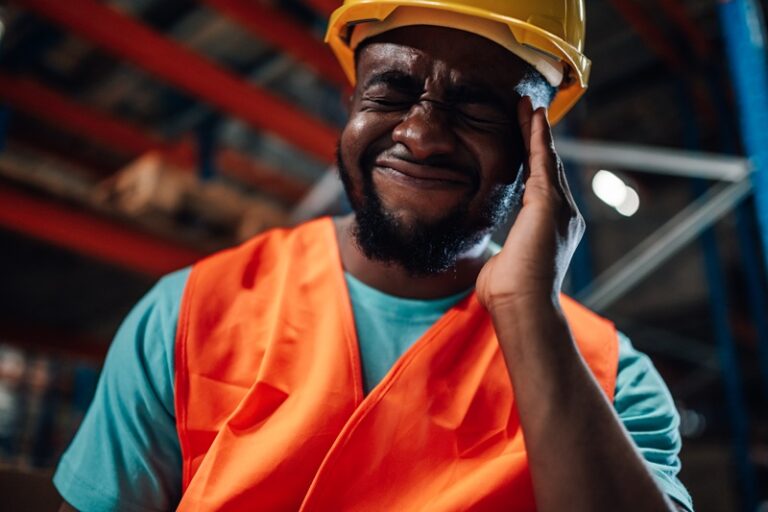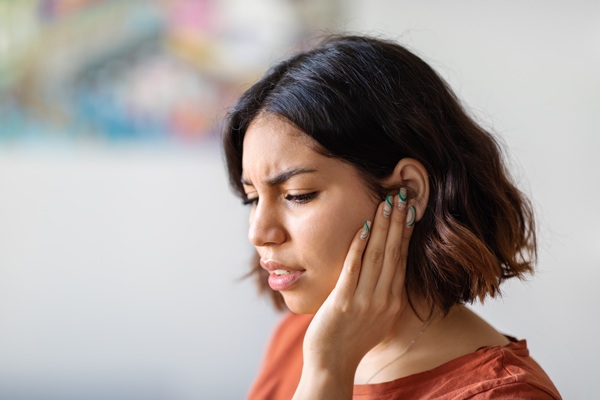
Protecting your hearing has never been more important. Many people don’t know that everyday situations can expose you to sound levels that may increase the risk of noise-induced hearing loss (NIHL) and tinnitus, from busy worksites and live music to motorsports and shooting.
In Australia, workplace guidance recommends limiting exposure to 85 dB over an eight-hour day, with very loud peak sounds (around 140 dB) capable of causing instant damage.
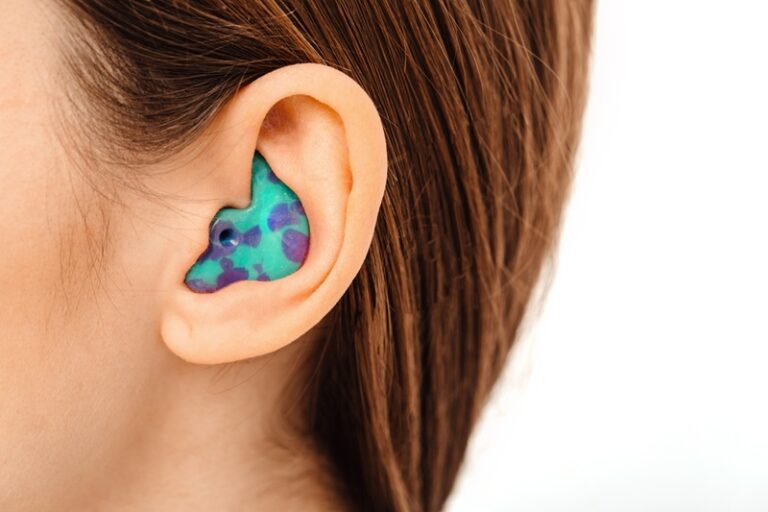
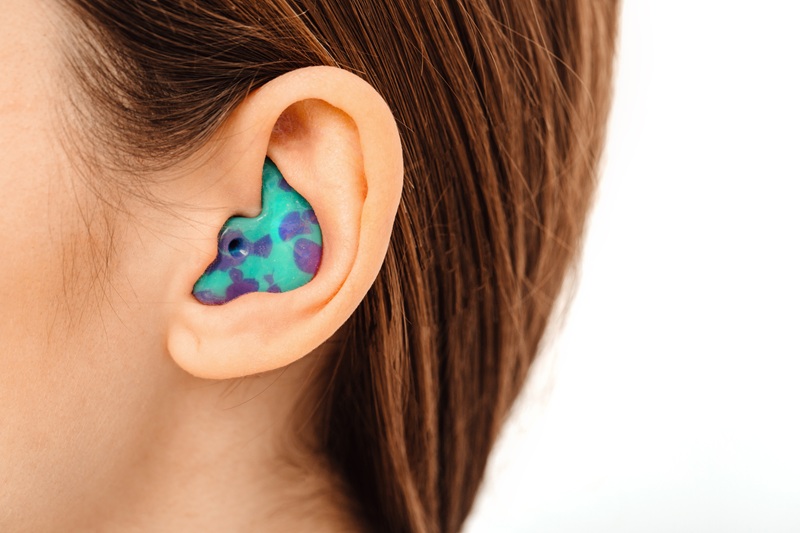
This is one of the reasons why custom-moulded earplugs can help you protect your hearing. Custom-moulded earplugs are designed to offer reliable, comfortable hearing protection tailored to your ears and your lifestyle.
Compared with generic foam options, personalised earplugs can provide a more secure fit, more predictable noise reduction and better long-term usability. Let’s take a look at some of the benefits of custom-moulded earplugs for everyday living.
Why Choose Custom-Made Ear Plugs?
Custom-made earplugs start with detailed ear impressions taken by an audiologist. These impressions are used to create earplugs that follow the unique curves of your ear canal and outer ear. This individualised shape helps achieve:
- Improved fit and seal – A close match to your anatomy helps reduce gaps where sound can leak through. A consistent seal means the ear plug can perform closer to their intended protection rating.
- Enhanced comfort – Because custom fit ear plugs are shaped for you, they are often easier to wear for long periods, whether during a work shift, a concert or a long-haul ride.
- Stable positioning – Custom ear plugs are less likely to loosen or fall out when you talk, chew or move, which supports more consistent protection throughout the day.
Compared with disposable foam options, this combination of fit, seal and comfort can make it easier to wear hearing protection correctly and for the full duration of noise exposure, both of which are important for reducing the risk of noise-induced hearing loss (NIHL).
Understanding Safety Audiological Ratings in Australia (WHS and AS/NZS 1270 SLC80 ratings)
In Australian workplaces, hearing protection should align with work health and safety (WHS) requirements. Guidance recommends selecting devices that reduce the effective noise level at the ear to around 80 dB, taking into account the environment, job tasks and individual needs.
Ear plugs (including hearing protection custom earplugs) are often rated using the AS/NZS 1270 standard. This uses an SLC80 rating (Sound Level Conversion 80%), which describes the difference between the measured sound level in the environment and the sound level reaching the ear for at least 80% of users under test conditions.
In practical terms, this means:
- The higher the SLC80 rating, the more noise reduction the ear plug can provide.
- Hearing protectors are assigned to classes (Class 1 to Class 5) based on their SLC80.
- The chosen device should match the typical noise levels at your workplace or activity. They should not be too low to be ineffective, and not so high that you are over-protected and unable to hear important warning sounds or speech.
An audiologist can help interpret SLC80 data and recommend WHS-compliant ear protection for your role or industry.
Key Benefits Of Custom-Moulded Earplugs
1. More Reliable Hearing Protection
Hearing protection custom earplugs are designed to deliver a specific level of sound reduction, often described using the AS/NZS 1270 SLC80 rating (earplugs). This rating indicates how much noise the protector can reduce for most users when it is fitted correctly.
Because custom ear plugs are made from your own ear impressions, they are more likely to achieve the fit that was tested for that rating. This helps support consistent protection, which is important for tinnitus prevention/NIHL risk reduction over time.
2. Fit, Seal and Comfort vs Foam Earplugs
Many people find that foam earplugs either work loose, feel too tight, or are uncomfortable after a few hours. Custom-moulded ear plugs sit in the contours of your ear rather than relying on pressure against the canal. This can offer:
- A stable seal that stays in place when you talk, eat or move
- Reduced irritation or soreness with long wear
- Less need to constantly adjust or reinsert
For anyone who needs protection for full work shifts, long flights or extended rehearsals, this combination of fit, seal & comfort vs foam earplugs may make hearing protection more practical to use.
3. Designed For Your Real-World Listening Needs
Custom-moulded ear plugs in Australia can be built with different filter options to match how you use them. For example, musician earplugs (flat attenuation filters) are designed to reduce sound levels while keeping the balance of the music as natural as possible. Evidence suggests that flatter attenuation helps preserve sound quality better than standard plugs that mainly muffle high frequencies.
Other filters can prioritise speech audibility, impulse-noise protection or general industrial noise reduction earplugs for worksites.
4. Comfort for Sleep and Travel
For people who are sensitive to noise at night, custom sleep earplugs are shaped to sit more discreetly in the ear so they are less likely to press against the pillow. They can be used to soften snoring, traffic or apartment noise.
Because they are custom made, they are less likely to fall out during sleep than loosely fitted generic plugs.
5. Durable And Reusable
With appropriate maintenance, cleaning & lifespan (custom plugs) in mind, many custom earplugs are intended for years of use. Regular cleaning, careful storage and periodic fit checks help maintain hygiene and performance. Over time, this can make them a practical alternative to continually replacing disposable foam plugs.
Looking After Your Long-term Hearing
Choosing custom-made ear plugs is not just about reducing noise, it’s about choosing a solution that fits your lifestyle, your comfort needs and your long-term hearing health. With their tailored fit, durable design and wide range of specialised options, custom earplugs give you a more dependable and enjoyable way to protect your ears in the moments that matter.
If you’ve been relying on foam earplugs or have been considering custom ear plugs for some time, this may be the ideal time to explore how personalised ear plugs could make a meaningful difference in your everyday life. Check with our team at Audience Hearing to have our audiologists guide you on your hearing concerns.
Book a consultation to know more.
Frequently Asked Questions
1. What are custom-moulded ear plugs?
Custom-moulded ear plugs are hearing protectors made from impressions of your ears. They are shaped to match the unique anatomy of your ear canal and outer ear, which helps provide a more secure and comfortable fit than standard one-size earplugs.
2. What are the main benefits of custom ear plugs?
Custom ear plugs can offer improved comfort, a stable seal, predictable noise reduction and long-term durability. These features can make hearing protection easier to wear for longer periods, which is an important factor in reducing the risk associated with noise exposure.
3. Are custom ear plugs better than foam ear plugs?
Foam plugs can be effective when inserted correctly, but some people find them uncomfortable or difficult to fit consistently. Custom ear plugs are shaped specifically for your ears, which may make them more comfortable, secure and easier to wear throughout noisy activities or work shifts.
4. What do SLC80 and AS/NZS 1270 ratings mean?
The AS/NZS 1270 standard is used in Australia and New Zealand to classify hearing protectors. The SLC80 rating describes the expected level of noise reduction for at least 80% of users under test conditions. Hearing protectors are then assigned a class (Class 1–5) based on this rating. An audiologist can help you select a suitable option for your environment.
5. Who might benefit from using custom-moulded ear plugs?
Custom-moulded ear plugs can be helpful for people exposed to regular noise at work or during activities such as music, motorcycling, swimming, shooting, travel and sleep. They can also be useful for those who experience discomfort or an inconsistent fit with disposable foam plugs.
6. Are custom ear plugs reusable?
Yes. Many custom-made ear plugs are designed for long-term use when maintained properly. Regular cleaning, correct storage and periodic fit checks help support their longevity and performance.
7. How long does it take to make custom ear plugs?
The process typically involves an appointment for ear impressions, followed by manufacture at a specialised laboratory. The final ear plugs are usually ready within several weeks, depending on the type and materials chosen.
8. Do custom ear plugs help prevent hearing loss?
No device can guarantee the prevention of hearing loss. However, evidence shows that well-fitted hearing protection, combined with safe listening practices and monitored exposure levels, can help reduce the risk of noise-induced hearing loss over time.
9. Can I use the same set of custom ear plugs for different activities?
Some custom ear plugs are designed with specialised filters for music, shooting, sleep or industrial noise. An audiologist can help determine whether one pair can meet your needs or whether different filters or styles would be more suitable.
10. How do I know which type of custom ear plug is right for me?
An audiologist will assess your ear health, noise exposure and lifestyle to recommend an option that best suits your needs. This may include different materials, filters or styles based on where and how you plan to use them.