If you’ve worked around loud machinery, tools, or equipment for years and you’ve noticed your hearing isn’t what it used to be, you may be entitled to compensation. Industrial deafness claims in NSW are handled through the state’s workers’ compensation system, and a surprising number of eligible workers never make a claim simply because they weren’t sure they qualified.
This guide walks through who’s eligible, whether there’s a time limit, and what the claims process generally involves in NSW.
What Is Industrial Deafness?
Industrial deafness, also called noise-induced hearing loss (NIHL), is permanent hearing damage caused by repeated exposure to loud noise at work. It develops gradually, which is why many workers don’t notice it until it’s already progressed.
If you’re not sure whether what you’re experiencing fits this pattern, our guide to common signs of industrial deafness is a useful place to check first.
Who Is Eligible to Claim in NSW?
You may be eligible for an industrial deafness claim if:
- Your hearing loss is linked to noise exposure during your employment
- You worked in NSW when the exposure occurred (or your claim falls under NSW jurisdiction)
- You have supporting audiological evidence of hearing loss
- You are still working, retired, or your former employer is no longer in business (none of these automatically disqualify you)
Eligibility for hearing loss workers compensation doesn’t depend on still being in the same job, or even the same industry. What matters is whether the noise exposure that contributed to your hearing loss happened during your employment.
Is There a Time Limit to Claim?
Yes.
In NSW, industrial deafness claims generally need to be lodged within three years of becoming aware that your hearing loss is work-related. This is different from three years since you last worked in a noisy job.
The clock generally starts from when you first realised the connection, which is often after a hearing test confirms it.
Because this timing detail affects your eligibility directly, it’s worth getting a hearing assessment sooner rather than later if you suspect your hearing may be work-related. If you’re unsure whether your situation falls within the time limit, a solicitor or iCare NSW can confirm this for your specific case.
How Compensation Is Assessed
Once a claim is lodged, permanent hearing impairment is assessed using binaural hearing loss (BHL), a measure of hearing loss across both ears, following the SIRA Workers Compensation Guidelines for the Evaluation of Permanent Impairment.
A few things worth knowing:
- The assessment must be conducted by a SIRA-registered permanent impairment assessor
- Thresholds for lump sum compensation vary depending on when your hearing loss occurred and your worker classification
- Lump sum entitlements are separate from your entitlement to hearing aids. You don’t need to meet a compensation threshold to claim hearing aids
- Compensable workers in NSW are generally entitled to hearing aids for life, replaced periodically, regardless of how much lump sum (if any) they receive
Because the exact thresholds and figures are specific to your situation and can change, the most accurate answer to “am I eligible for industrial deafness compensation” and “how much” comes from SIRA’s official hearing impairment claims page or a solicitor who handles these claims.
What You Could Be Entitled To
Depending on your assessment, an accepted claim may include:
- Hearing aids — supplied and maintained, generally for life, with no minimum hearing loss threshold required
- A lump sum payment — if your permanent impairment meets the relevant threshold
- Weekly payments — if you needed time off work related to your hearing condition
- Tinnitus-related compensation — where tinnitus is assessed as part of your claim alongside hearing loss
How to Claim for Industrial Deafness in NSW
The general process for lodging a claim for industrial deafness involves:
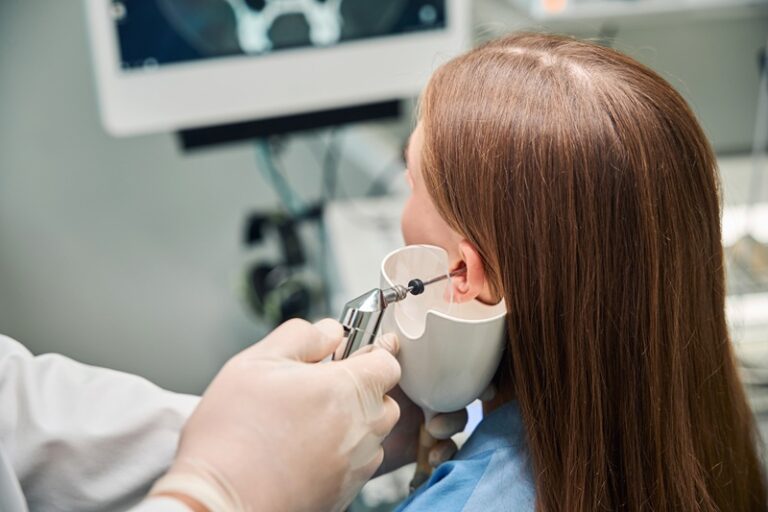
- Booking a hearing assessment — a hearing assessment and consultation with an audiologist may help confirm and document your hearing loss
- Lodge a claim — with the help of your employer who last exposed you to noise, or their insurer, via iCARE NSW
- Attend a permanent impairment assessment — with a SIRA-registered assessor
- Receive an outcome — for hearing aids, lump sum eligibility, or both
When you book an assessment with us, we’ll walk you through what documentation to bring and what to expect at each step.
Do You Need a Lawyer?
Many claims proceed without a solicitor, particularly for hearing aid entitlements. If your claim is disputed, involves a lump sum assessment, or you’re unsure about eligibility, legal assistance can help protect your entitlements and manage disputes with insurers.
Many workers compensation lawyers who handle hearing loss claims in Sydney and NSW work on a no-win, no-fee basis, so there’s typically no upfront cost to get advice.
Book a Hearing Assessment to Support Your Claim
Whether you’re just starting to wonder if your hearing loss is work-related, or you’re ready to lodge a claim, the process starts with a proper hearing assessment. It gives you the documented evidence you need and a clear picture of where your hearing stands.
If you think your hearing loss may be linked to noise at work, an industrial deafness assessment and consultation with our audiologists at Audience Hearing may help you with your claims. We’ll assess your hearing and provide the audiological documentation your claim needs. For legal advice specific to your case, we can also point you toward solicitors who specialise in this area.
Book an appointment with us today.
Frequently Asked Questions
1. Am I eligible for an industrial deafness claim in NSW?
You may be eligible if your hearing loss is linked to noise exposure during your employment in NSW, regardless of whether you’re still working, retired, or your former employer no longer exists. An audiological assessment can confirm whether your hearing loss supports a claim.
2. What is the industrial deafness claim time limit in NSW?
Claims generally need to be lodged within three years of becoming aware your hearing loss is work-related. This is different from three years since your last noise exposure. Getting assessed by an audiologist sooner protects your position.
3. How do I claim for industrial deafness in NSW?
The general process involves a hearing assessment, lodging a claim with your employer or their insurer through iCARE NSW, a permanent impairment assessment by a SIRA-registered assessor, and an outcome for hearing aids and/or lump sum compensation.
4. Can I claim industrial deafness compensation in Sydney if I no longer work in a noisy job?
Yes. Eligibility is based on whether your hearing loss is linked to noise exposure during your employment, not your current job or location. Sydney and NSW workers can lodge a claim regardless of their current employment status.
5. Do I need a lawyer to claim industrial deafness compensation?
Not always. Hearing aid entitlements often don’t require legal representation. If your claim is disputed or involves a lump sum assessment, a workers compensation lawyer experienced in hearing loss claims can help.
6. Can tinnitus be included in an industrial deafness claim?
Yes, tinnitus can be assessed alongside hearing loss as part of a workers compensation claim in NSW, where it’s linked to workplace noise exposure.
7. How do I book a hearing assessment to support my claim?
You can book directly through our clinic at the Audience Hearing. Our audiologists will assess your hearing and provide documentation to support an industrial deafness claim.