If you have just been offered a job in construction, transport, mining, or another industry where noise exposure is part of the day, you may have been told you need a pre-employment hearing test. For workers in Liverpool and the wider South Western Sydney region, these tests are a common part of starting a new role, particularly in industries that involve heavy machinery, power tools, or working alongside loud equipment.
A pre-employment hearing test is straightforward. It is non-invasive, takes around 20 to 30 minutes, and gives both you and your employer a clear baseline of where your hearing sits before you start the job.
This guide explains who needs a pre-employment hearing test, how the appointment works, and what to expect if you book one at Audience Hearing in Liverpool.
What Is a Pre-Employment Hearing Test?
A pre-employment hearing test, sometimes called screening audiometry or an occupational hearing test, is a non-invasive evaluation that checks whether your hearing meets the requirements of the job you are about to start. It also creates a baseline audiogram (a record of your hearing levels at the time of hire), which is used to monitor any future changes during your employment.
The test usually involves three stages:
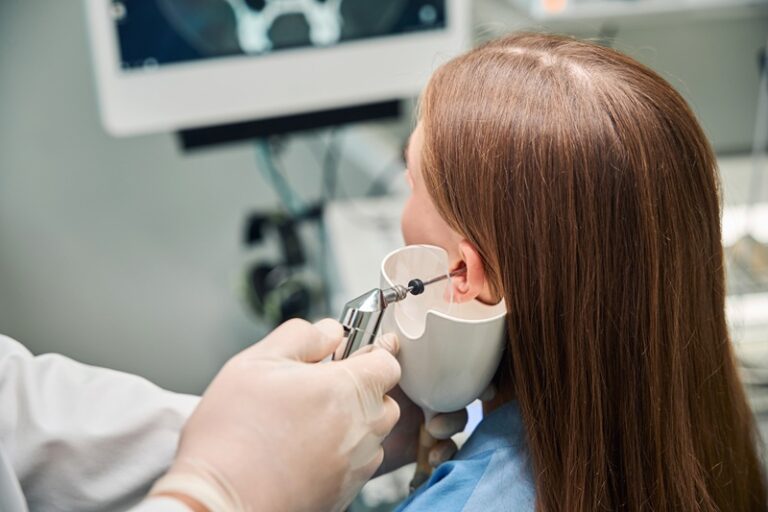
- A brief ear examination (otoscopy) to check the health of your outer ear and ear canal
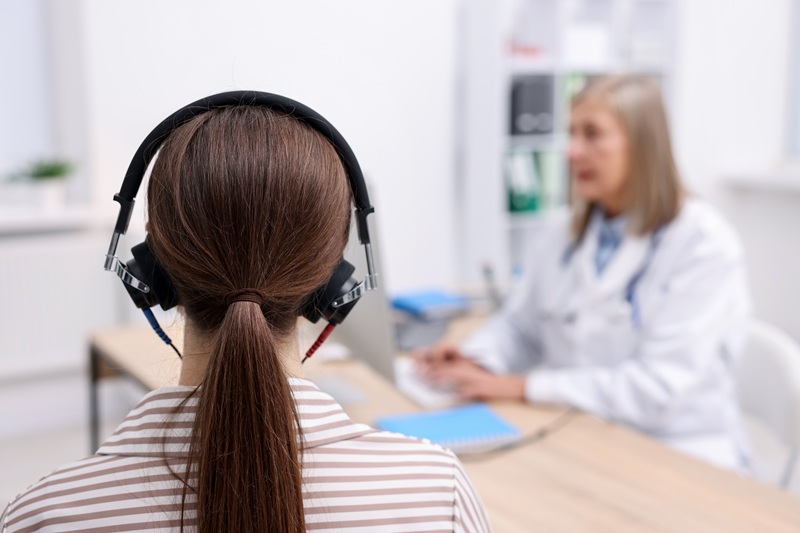
- Pure tone audiometry to measure how well you hear different pitches at different volumes
- Speech audiometry or other extra tests depending on the workplace requirements
Our blog on what happens during a pre-employment hearing test walks through the process in more detail.
Who Needs a Pre-Employment Hearing Test?
In Australia, employers in noise-exposed industries have a legal duty to protect their workers’ hearing under WHS audiometric testing requirements, including AS/NZS 1269.4.
This usually means workers in the following industries are asked to complete a pre-employment hearing test before starting:
- Construction and demolition
- Mining and quarrying
- Manufacturing and heavy industry
- Transport and logistics (particularly truck driving)
- Aviation, including ground crew
- Police, emergency services, and defence
- Trades involving regular use of power tools
- Roles that involve working alongside heavy machinery
If you are unsure whether your role requires one, your employer’s HR team or recruiter can confirm. In many cases, the offer of employment is conditional on passing the pre-employment medical, which often includes the hearing test.
Why Employers Require These Tests
There are two main reasons employers need a baseline hearing assessment before you start.
The first is workplace safety. If your hearing isn’t up to the role’s standard, you may struggle to hear alarms, warnings, or instructions, which puts you and the people around you at risk. The second is legal protection for both you and the employer.
The baseline audiogram from your pre-employment test is kept on file. If your hearing changes during your employment, the new results can be compared to the baseline to identify whether the change is consistent with workplace noise exposure. This is important if you ever need to make an industrial deafness claim later in your career.
Our industrial deafness claims service handles many cases where baseline records play a key role in supporting a claim.
How a Pre-Employment Hearing Test Works in Liverpool
At Audience Hearing in Liverpool, a pre-employment audiometry test usually takes around 20 to 30 minutes from start to finish. Here is what to expect:
- Arrival and check-in — bring any forms your employer has given you and a form of ID
- Brief case history — your clinician will ask about any previous noise exposure, hearing concerns, or relevant medical history
- Otoscopy — a quick check of your ears, including looking for wax buildup that could affect results
- Audiometry in a sound-treated booth — you’ll wear headphones and press a button each time you hear a beep, across a range of pitches
- Bone conduction testing — a small device behind your ear measures inner ear function
- Additional testing if required — some workplaces request speech audiometry or noise-induced hearing loss screening
- Results explained — you’ll get a clear walk-through of your audiogram and what it shows
- Report sent to your employer — usually within a day or two, prepared in the format your employer requires
The whole appointment is straightforward, and there’s nothing else to prepare for beyond getting a reasonable night’s sleep.
What if You Don’t Pass?
Not meeting a workplace hearing standard does not automatically mean the job is off the table. Many “fails” are caused by temporary issues like earwax buildup or a recent cold, and a retest a few days later often resolves the problem. In other cases, an audiologist may recommend a more detailed assessment to understand what’s going on.
If you’d like more on this, our blog on what to do if you don’t pass a pre-employment hearing test covers the next steps in detail.
Book Your Pre-Employment Hearing Test in Liverpool
A pre-employment hearing test is a simple, painless appointment that protects your future hearing as much as it confirms you’re ready for the job. Whether you are starting a new role in construction, transport, or another noise-exposed industry, getting your baseline on record is one of the best things you can do for your long-term hearing health.
If you need a pre-employment hearing test in Liverpool, our team at Audience Hearing can usually fit you in quickly and provide all the documentation your employer requires.
Book an appointment at our Liverpool clinic.
Frequently Asked Questions
1. How long does a pre-employment hearing test take?
Most pre-employment hearing tests take 20 to 30 minutes. Some workplaces require extra checks like speech audiometry, which can add 10 to 15 minutes.
2. Do I need a GP referral for a pre-employment hearing test?
Generally no. You can book directly with an accredited audiology clinic. Some employers may provide a specific form or testing standard, which you should bring to your appointment.
3. How do I prepare for an audiometry test?
You don’t need to do much. Get a reasonable night’s sleep, avoid loud noise exposure in the 12 hours before the test, and bring any forms your employer has given you. If you’ve had a cold or ear infection recently, let the clinic know, as you may need to reschedule.
4. What happens if I fail a pre-employment hearing test?
Failing doesn’t always mean the job is off the table. Common next steps include a retest after addressing temporary issues like wax buildup or a more detailed assessment with an audiologist.
5. Will my employer see my full audiogram?
Usually no. Employers receive a summary report confirming whether you meet the hearing standard for the role. Detailed results stay private unless you consent to share them.
6. How much does a pre-employment hearing test cost?
The cost depends on the testing requirements and whether your employer covers the appointment. Many employers pay for the test as part of the pre-employment medical.
Contact our Liverpool clinic for current pricing. Our team can walk you through what you should bring on the day of your appointment.