For many people starting to notice hearing changes, the idea of wearing a hearing aid can feel confronting. It is one of the main reasons people delay getting help, even when they know their hearing has shifted. Invisible in canal hearing aids (IIC hearing aids) are designed to address exactly this concern.
These are the smallest hearing aids currently available. They sit deep inside the ear canal and, when fitted correctly, are almost impossible to see. For the right person, they are a discreet way to improve hearing without anything visible on or behind the ear.
This guide walks through what IIC hearing aids are, how they work, who they suit, and what to think about before booking a fitting.
What Are IIC Hearing Aids?
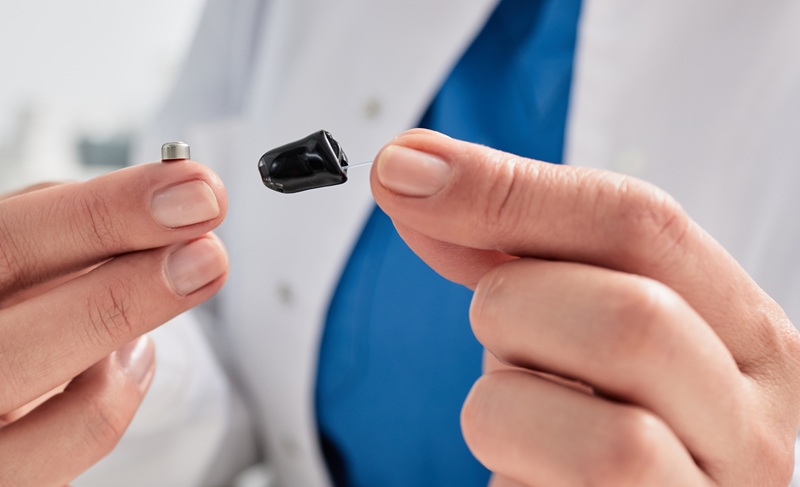
IIC hearing aids are custom-moulded devices that sit deep inside the ear canal, hidden from outside view. Because each one is made to match the exact shape of your ear canal, no two pairs are the same. They are designed to be removed daily using a small pull-out string.
Unlike behind-the-ear models, IIC hearing aids have no external components. All the technology (microphone, processor, receiver, and battery) is packed into a single, very small casing. This makes them the most discreet option among custom in canal hearing aids, and a popular choice among people looking at discreet hearing aid options in Australia for the first time.
If you want to see how they compare with other styles, our guide to the different types of hearing devices is a useful starting point.
Benefits of Invisible Hearing Aids
The appeal of IIC hearing aids goes beyond appearance. Because they sit close to the eardrum, they take advantage of the ear’s natural acoustics, which often results in a clearer and more natural sound. Other IIC hearing aid benefits include:
- A near-invisible appearance from most angles
- Reduced wind noise, because the microphone sits inside the ear canal
- A comfortable, custom fit that does not interfere with glasses, masks, or hats
- Natural use of your ear’s shape to collect and direct sound
- Minimal disruption to everyday activities like phone calls and sleep
Many people find the psychological benefit just as valuable as the practical ones. Knowing that your hearing aid is not visible can make it easier to wear consistently, which is the single biggest factor in how well a hearing aid works for you.
Who Invisible in Canal Hearing Aids Suit
Unfortunately, IIC hearing aids are not right for everyone. They are best suited to people who meet several specific criteria. These include:
- Mild to moderate hearing loss (they are generally not powerful enough for severe or profound loss)
- An ear canal that is wide enough and straight enough to accommodate the device
- Good hand dexterity for insertion, removal, and small battery changes
- A lifestyle where discretion matters more than features like Bluetooth streaming
- Ears that are not prone to excess wax or moisture
They are a strong fit for people experiencing hearing loss for the first time who want something small hearing aids for mild hearing loss can provide, without being put off by a more visible device. They are less suitable for people who need significant amplification, who have limited finger mobility, or who want advanced smartphone connectivity.
What to Expect During a Fitting
Because IIC hearing aids are custom-made, the fitting involves a few steps. Here is how the process usually works:
- Hearing assessment — a full hearing test to confirm the type and degree of your hearing loss, and whether an IIC is the right style for you
- Ear canal check — your audiologist will also examine the shape and health of your ear canal to make sure an IIC will fit well
- Ear impression — if IIC hearing aids suit you, a soft mould is taken of your ear canal and sent to the manufacturer
- Fitting appointment — a few weeks later, you come back to collect your aids, which are programmed to your hearing results and checked for comfort
- Follow-up reviews — further appointments are usually included to fine-tune performance as you get used to wearing them
For anyone unsure between styles, we also offer completely-in-canal (CIC) hearing aids, which are slightly larger than IICs but still very discreet and fit a wider range of hearing levels.
Things to Consider Before Choosing IIC
Before deciding on IIC hearing aids, it is worth weighing the trade-offs. Their small size means the batteries are also small, which typically means more frequent changes. There is usually no Bluetooth streaming or rechargeable option. And because they sit deep in the ear, they can be more affected by earwax buildup and moisture, so regular cleaning is important.
For some people, a slightly more visible model like a receiver-in-canal (RIC) style offers better long-term value because of the features it supports. This is the kind of decision an audiologist can walk you through during a hearing aid consultation, looking at your hearing results alongside your daily routine and preferences.
You may also find our pros and cons guide to IIC hearing aids helpful before your appointment.
Book an IIC Hearing Aid Consultation
Discreet hearing support has come a long way, and invisible hearing aids Australia offers today are smaller, smarter, and more comfortable than ever. However, the best way to find out if they are right for you is a conversation with an audiologist who can assess all three.
If you have been curious about invisible in canal hearing aids, or you have been putting off hearing help because of how it might look, check with our audiologists at Audience Hearing. We will walk you through your options clearly and recommend the style that genuinely suits you, not just the smallest one available.
Book an appointment with us to find out if IIC hearing aids are right for you.
Frequently Asked Questions
1. What are IIC hearing aids?
IIC hearing aids, or invisible in canal hearing aids, are the smallest custom-fit hearing aids currently available. They sit deep inside the ear canal and are designed to be almost invisible from the outside.
2. Who suits invisible hearing aids?
IIC hearing aids suit people with mild to moderate hearing loss who have suitable ear canal size and shape, good finger dexterity, and a preference for a discreet device. They are not suitable for severe or profound hearing loss.
3. What are the best IIC hearing aids?
The best IIC hearing aids depend on your hearing loss, ear anatomy, and lifestyle. Most major hearing aid manufacturers offer IIC models, and the right one for you is best determined after a full hearing assessment.
4. Do IIC hearing aids have Bluetooth?
Most IIC hearing aids do not have Bluetooth streaming, because the casing is too small to house the additional components. If wireless streaming is important to you, a larger style may suit you better.
5. How long do IIC hearing aid batteries last?
Because of their size, IIC hearing aids use small batteries that typically last three to five days per change, depending on how much you wear them and which features you use.
6. How much do IIC hearing aids cost in Australia?
IIC hearing aid costs vary based on the brand, technology level, and features. Eligible pensioners and veterans may access hearing aids through the Hearing Services Program. Your audiologist can walk you through pricing at your consultation.
7. How do I book an IIC hearing aid consultation at Audience Hearing?
You can book directly through the Audience Hearing contact page. Our audiologists will assess your hearing and ear canal, and talk you through whether IIC hearing aids suit your needs.