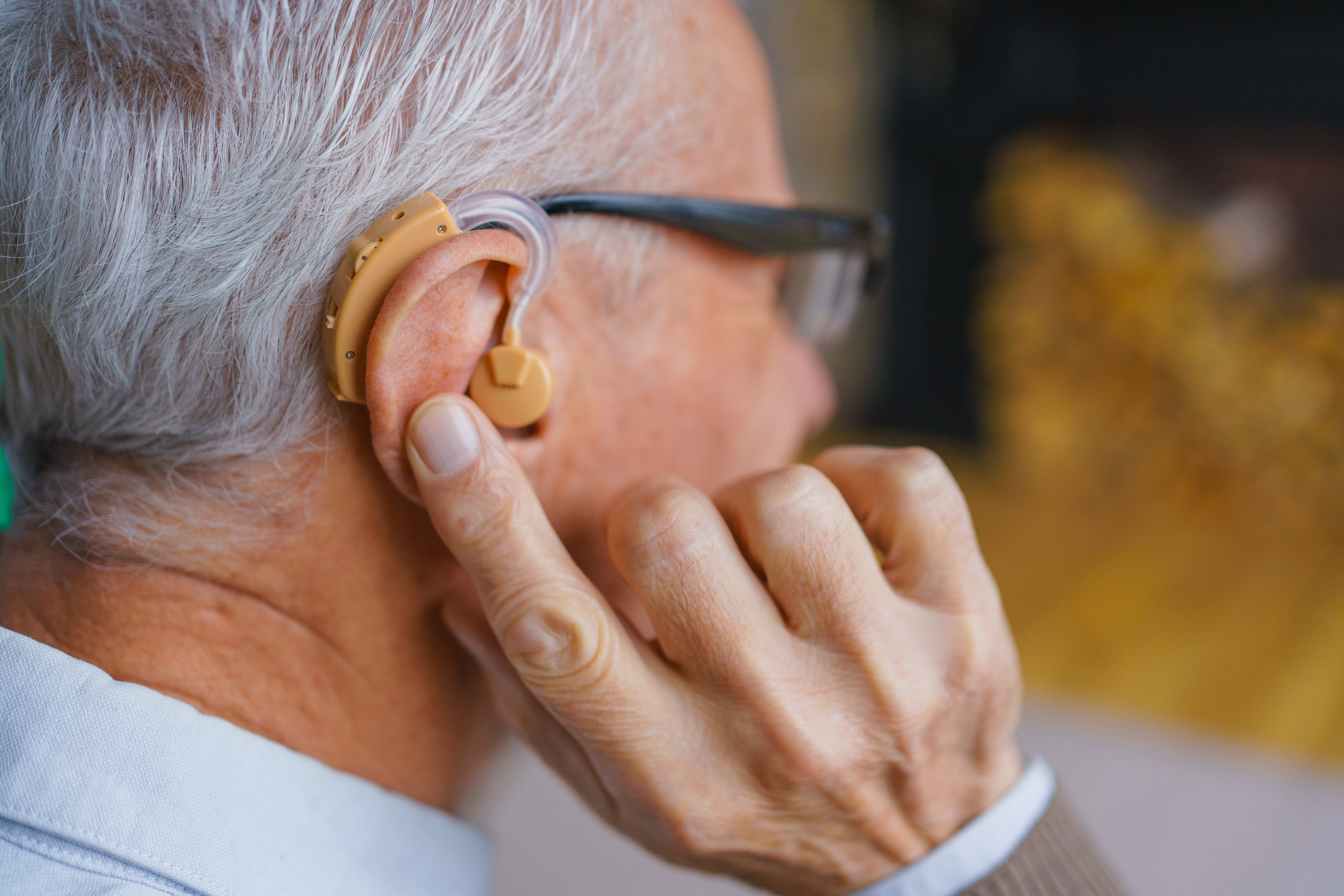
The end of the financial year has a way of bringing everything forward at once. Private health extras reset on 1 July, and any hearing aid benefits you have not used for the period simply disappear. For many Australians, this is the moment they start thinking about the hearing devices they have been meaning to look at for a while.
If you have been wondering whether your current hearing aids are still doing the job, the end of the financial year (EOFY) is a sensible time to check. Some people walk away from a review appointment with a clean reprogram of the aids they already have. Others find that newer technology would genuinely make a difference to daily life.
The honest answer to whether you need a hearing aid upgrade is: it depends. It depends on the age of your current aids, how your hearing has changed, how you spend your time, and what your aids are struggling with.
Let’s take a closer look at when an upgrade is worth considering, what has changed in hearing aid technology recently, and why a hearing aid review appointment is a good starting point before 30 June.
Why EOFY Is a Sensible Time to Review Your Hearing Aids
There are two practical reasons this time of year prompts so many hearing aid reviews. The first is private health insurance. Most extras policies include a hearing aid allowance that resets on 1 July, and any unused portion for this period cannot be carried over.
The second is simple timing: if you have been putting off a review, EOFY is a natural deadline to work toward.
A review is also useful even if you do not end up upgrading. It gives you a clear picture of how your current aids are performing, whether they need servicing, and whether your hearing has shifted since they were last programmed.
Signs It May Be Time for a Hearing Aid Upgrade
Hearing aids rarely fail all at once. They drift slowly, and most people only notice the change when something specific stops working well, such as a conversation at a family gathering or following dialogue on TV without subtitles.
Some of the more common signs that a hearing aid upgrade may be worth considering include:
- Turning the volume up on the TV or phone more than you used to
- Aids that are five to seven years old, which is the typical lifespan of daily-use devices
- Needing to return for repairs or adjustments more often than before
- Feeling like your aids no longer keep up with noisy or busy environments
- Noticing that your hearing has changed since your aids were first fitted
- Wanting features your current aids do not have, such as Bluetooth streaming or rechargeable batteries
If a few of these sound familiar, it may be time to book a hearing aid review appointment.
What’s Changed in Hearing Aid Technology Recently
If you last upgraded four or five years ago, the latest hearing aid technology has moved on more than you might expect. Newer hearing aids use more sophisticated processing to separate speech from background noise, which often makes a noticeable difference in cafés, shopping centres, and family gatherings.
Other changes worth knowing about include:
- Rechargeable batteries that charge overnight, removing the need for small disposable batteries
- Direct Bluetooth streaming for phone calls, music, and TV audio
- Smaller, more discreet styles such as receiver-in-canal (RIC) and invisible-in-canal (IIC) models
- Smartphone apps that let you adjust settings yourself for different environments
Whether any of these features suit you depends on your hearing, lifestyle, and budget. An audiologist hearing aid assessment is the best way to work out what matters most in your situation.
Looking at Your Full Hearing Setup
An upgrade conversation is also a useful moment to look at your hearing setup as a whole, not just the aids themselves. For most people, well-fitted hearing aids do the bulk of the work.
But some situations, such as watching TV without disturbing the household, hearing clearly on phone calls, or following conversation in a large meeting room, can be difficult even with good aids.
This is where assistive listening devices can help. These include TV streamers, remote microphones, and captioned telephones, which work alongside hearing aids to solve specific problems your aids alone may not fully address. If there is one situation that has been frustrating you, it is worth raising at your review.
What to Expect at a Hearing Aid Review Appointment
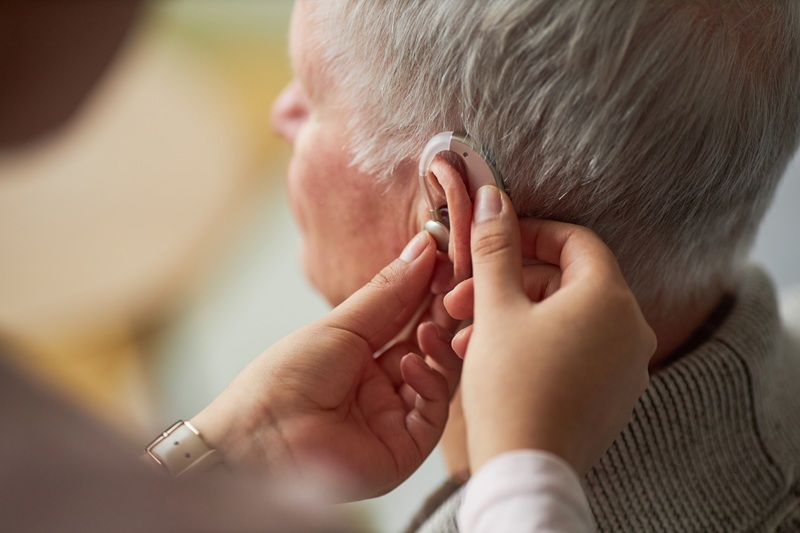
A hearing aid review with our audiologists generally takes around 45 minutes. The appointment involves a current hearing assessment, a check of how your existing aids are performing, and a conversation about whether an upgrade, reprogram, or different approach makes the most sense.
There is no pressure to make a decision on the day. The purpose of the review is to give you a clear picture of where your hearing is now and what your options are.
If you decide to look at new hearing aids in Australia, we will walk through the features that suit your lifestyle and help you use any private health or HSP/DVA support you may be entitled to.
Book a Hearing Aid Review Before EOFY
Looking after your hearing is one of the more straightforward things you can do to stay connected to the people and conversations around you. If you have been noticing the signs above, or if your current aids are approaching the end of their working life, a review is a low-pressure way to understand where you stand.
Whether you decide to upgrade, stick with what you have, or add an assistive listening device to fill a gap, a conversation with an audiologist will give you the information you need to make the right call. Check with our team at Audience Hearing about a hearing aid review appointment before 30 June.
Book an appointment with us to see what your hearing is capable of.
Frequently Asked Questions
1. How long do hearing aids typically last?
Most hearing aids are designed for around five to seven years of daily use. Physical wear, changes to your hearing, and advances in technology usually drive the decision to replace them. Some people get longer out of their aids with regular servicing.
2. Can I claim hearing aids on private health before EOFY?
That depends on your level of cover and how much of your hearing aid allowance you have already used for the period. Your fund can confirm your remaining benefit. If you are close to your reset date, we can help you time the appointment so it falls within the current financial year.
3. Do I need a referral for a hearing aid review?
No. You can book a hearing aid review appointment directly with us. If you are an HSP or DVA client, we will make sure everything is documented correctly for your program.
4. I bought my hearing aids somewhere else. Can you still review them?
Yes. We review and service hearing aids regardless of where they were originally fitted, provided they are a model we can work with.
5. What if my review shows I don’t need new aids?
That happens often, and it is a good outcome. Sometimes, a reprogram, a professional clean, or a minor repair is all that is needed. A review gives you that answer clearly, rather than guessing.
6. How do I book a hearing aid review at Audience Hearing?
You can book directly through the Audience Hearing contact page. Our audiologists will assess your current aids and hearing, and recommend the most suitable next step for you.