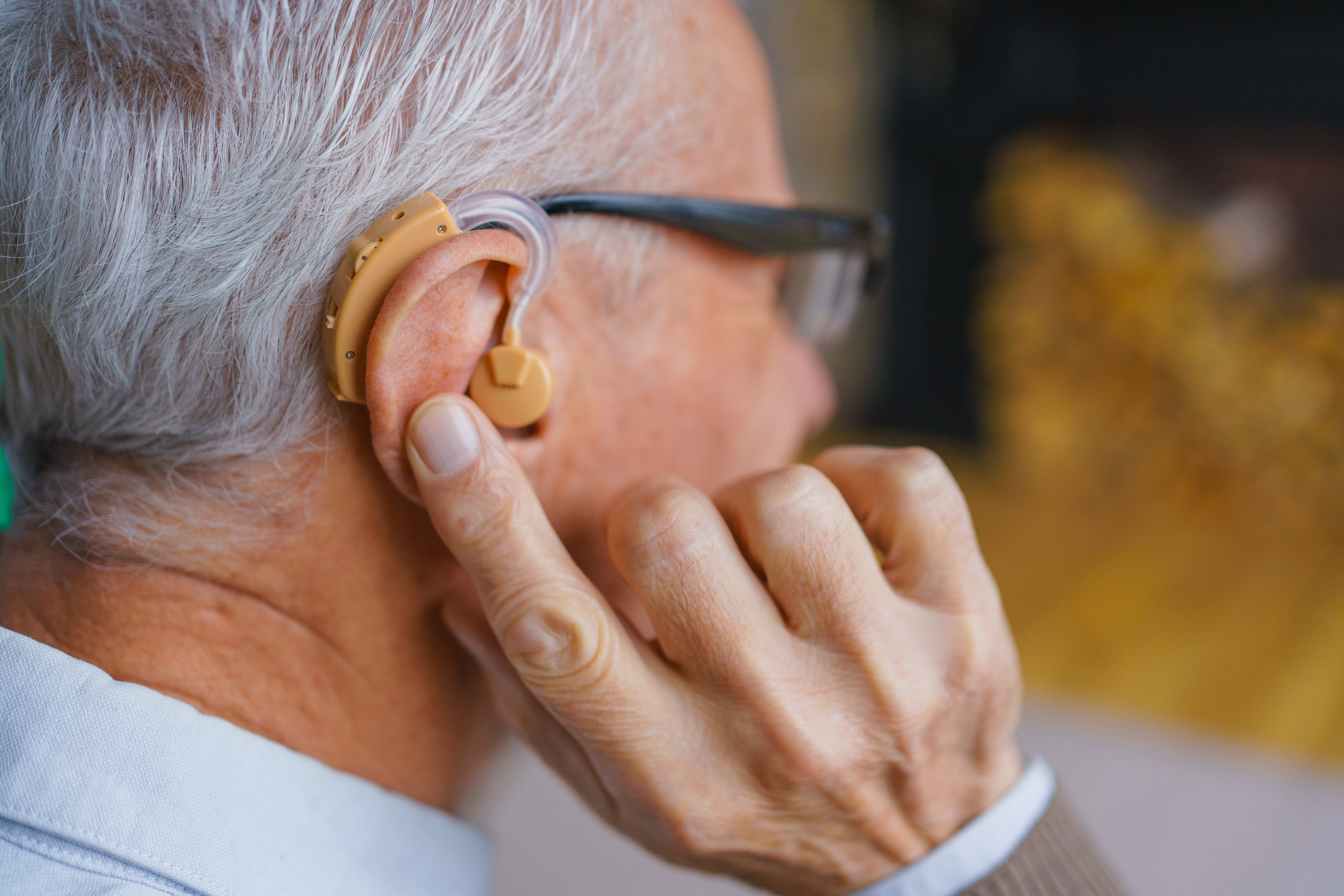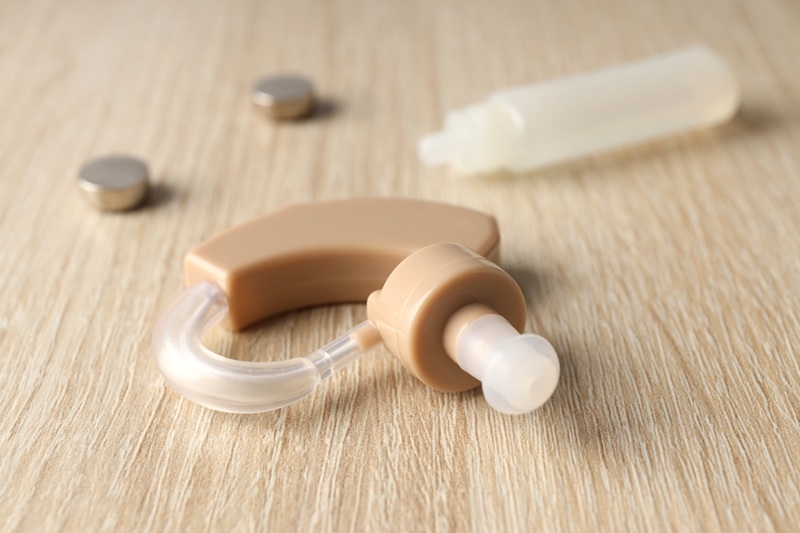
Hearing aids are a significant investment in your quality of life. Whether you have recently been fitted with your first pair or have been wearing them for a few years, it is natural to wonder how long they will last and what you can do to keep them performing at their best.
The good news is that with proper care and maintenance of hearing aids, you can get the most out of your devices and avoid unnecessary repairs or early replacements.
Let’s look at what affects hearing aid lifespan, how to care for your devices day to day, and the signs that it may be time for a replacement.
How Long Do Hearing Aids Last?
Most modern hearing aids last approximately three to five years with regular use and appropriate care. Some devices may continue to function well beyond that range, while others may begin to decline sooner, depending on a number of factors.
Several things can influence how long hearing aids last, including:
- The style and build quality of the device
- How often and for how long they are worn each day
- Exposure to moisture, heat, or earwax
- How consistently they are cleaned and maintained
- Whether they are stored properly when not in use
- How well they are handled day to day
In-canal styles, such as Completely-in-Canal (CIC) or Invisible-in-Canal (IIC) devices, tend to be exposed to more moisture and earwax due to their placement deep within the ear canal. This can sometimes mean they require more frequent servicing compared to Behind-the-Ear (BTE) or Receiver-in-Canal (RIC) styles.
Hearing Aid Care Tips for Everyday Use
Good daily habits go a long way when it comes to the care and maintenance of hearing aids. Here are some practical hearing aid care tips to help extend the life of your devices.
Keep Them Dry
Moisture is one of the most common causes of hearing aid damage. Sweat, humidity, and accidental water exposure can all affect the internal components over time.
It is generally advisable to remove your hearing aids before swimming, showering, or engaging in activities that cause heavy perspiration. Storing them in a dry kit or dehumidifier overnight can also help draw out any moisture that accumulates during the day.
Clean Them Regularly
Earwax is another leading cause of reduced hearing aid performance and early deterioration.
Gently wiping down the exterior of your devices each day with a soft, dry cloth, and using the cleaning tools provided by your audiologist to clear wax from the microphone and receiver ports, can make a meaningful difference to their longevity.
Store Them Properly
When your hearing aids are not in use, store them in their case in a cool, dry place, away from direct sunlight, bathrooms, or other humid environments. If your devices use disposable batteries, leaving the battery door open overnight can help prevent moisture buildup inside the device.
Handle With Care
Hearing aids are small and delicate. Dropping them on hard surfaces can cause damage to the casing or internal components. Getting into the habit of handling them over a soft surface, such as a towel or bed, can reduce the risk of impact damage.
Keep Them Away From Products
Hairspray, sunscreen, and similar products can clog or damage the microphone ports and other components. It is generally a good idea to put your hearing aids in after applying these products rather than before.
How Often Should Hearing Aids Be Serviced?
Even with consistent at-home care, professional hearing aid servicing is an important part of keeping your devices in good condition. Most audiologists recommend having your hearing aids checked and serviced at least once a year alongside your annual hearing assessment.
During a servicing appointment, your audiologist can clean components that are difficult to access at home, check for performance issues, replace worn tubing or receivers, and ensure your devices are still appropriately matched to your current level of hearing.
For devices still under the manufacturer’s warranty, it is also worth having them sent in for servicing before the warranty period expires, typically around the three-year mark, to address any issues that may be covered.
Battery Life of Hearing Aids
The battery life of hearing aids varies depending on the style of device and how it is used. Smaller in-canal devices that use disposable batteries, such as CIC or IIC styles, may require battery replacement every three to five days. Larger devices with bigger batteries typically last longer between changes.
Rechargeable hearing aids, which are increasingly common across many modern styles, are charged overnight and generally provide a full day of use on a single charge. If you notice that your rechargeable devices are holding less charge than they used to, this may be a sign that the internal battery is beginning to degrade and may need attention from your audiologist.
Signs Your Hearing Aids Need Replacing
While regular maintenance can extend the life of your devices considerably, there are times when repair is no longer the most practical or cost-effective option. Some signs that your hearing aids may need replacing include:
- Frequently needing repairs, even after servicing
- Sound quality that no longer meets your needs despite adjustments
- Physical damage that cannot be repaired effectively
- Your hearing has changed, and your current devices can no longer be reprogrammed to suit your updated audiogram
- Technology has advanced significantly since your last fitting, and newer features could meaningfully improve your daily experience
If your devices are approaching or beyond the five-year mark and you are noticing ongoing performance issues, it is worth having a conversation with your audiologist about whether an upgrade may be appropriate for your current hearing needs.
Looking After Your Hearing Aids and Your Hearing
Your hearing aids work hard every day, and so does the hearing they support. Pairing good device care with regular professional check-ups is the most effective way to ensure you are always getting the best possible outcome from your investment.
Whether you are considering new hearing aids, due for a servicing appointment, or simply want to discuss how your current devices are performing, the team at Audience Hearing is here to help. Our audiologists take the time to assess your hearing thoroughly and ensure your devices are working as they should.
Book an appointment with our audiologists today.
Frequently Asked Questions
1. How long do hearing aids last on average?
Most hearing aids last approximately three to five years with proper care. Some devices may last longer depending on the style, how often they are used, and how well they are maintained. Regular professional servicing can help extend the hearing aid lifespan.
2. What is the best way to care for hearing aids daily?
Key hearing aid care tips include keeping them dry, cleaning them regularly to remove earwax and debris, storing them properly when not in use, and handling them with care to avoid impact damage.
Avoiding exposure to hairspray, moisture, and extreme heat is also recommended.
3. How often should hearing aids be serviced?
Hearing aids should generally be professionally serviced at least once a year. This is typically done alongside your annual hearing assessment. Devices that are still under warranty may benefit from manufacturer servicing before the warranty period ends.
4. What affects the battery life of hearing aids?
Battery life of hearing aids depends on the device style, the battery size, and how many hours per day the aids are worn. Smaller in-canal devices may require battery changes every few days, while rechargeable models provide a full day’s use from an overnight charge.
5. What are the signs that hearing aids need replacing?
Signs that hearing aids may need replacing include frequent repairs, noticeable changes in sound quality, physical damage, a significant change in your hearing that the device can no longer accommodate, or ageing technology that no longer meets your needs.
If in doubt, speak with your audiologist.
6. Can hearing aids be repaired instead of replaced?
In many cases, yes. Hearing aid servicing and repairs can address issues such as blocked receivers, cracked tubing, or minor component faults. However, if repairs are frequent or the device can no longer be programmed to suit your current hearing loss, replacement may be the more practical long-term option.
7. Where can I get my hearing aids serviced or replaced in Australia?
Audience Hearing provides professional hearing aid servicing and fittings across multiple locations in NSW. You can book an appointment with our audiologists to have your devices assessed and discuss the best options for your hearing needs.