If you’ve been putting off getting hearing aids because you don’t want others to see them, you’re not alone. Many Australians feel the same way. Fortunately, today’s hearing technology includes options that are powerful, discreet, and almost completely hidden, like invisible-in-canal (IIC) hearing aids.
In this blog, we will explain what invisible-in-canal hearing aids are, how they work, who they are suited for, and why they have become a popular choice for those looking for both performance and cosmetic appeal.
What Are Invisible-in-Canal (IIC) Hearing Aids?
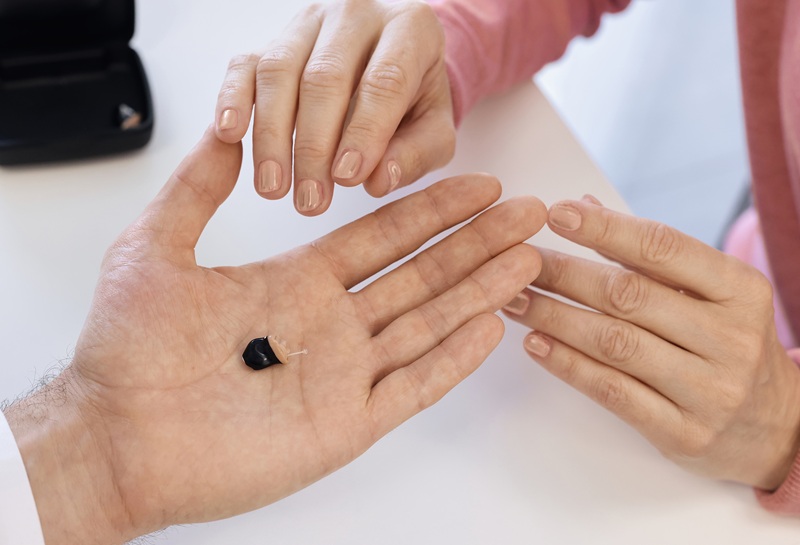
Invisible-in-canal (IIC) hearing aids are one of the smallest hearing aid styles available today. They sit deep inside your ear canal, making them virtually invisible from the outside, hence, their name.
Because of how small they are, each device should be custom-made to fit your ear exactly. Audiologists take a deep canal impression of your ear to ensure a snug, secure fit. Once inserted, IIC hearing aids stay out of sight and offer clear, natural sound.
Benefits of Invisible‑in‑Canal Hearing Aids
Here are some key benefits of invisible‑in‑canal hearing aids for people who value discretion and comfort:
- Discreet Appearance – Because they sit deep in the canal, IICs are barely noticeable, which is ideal for people who are self‑conscious about wearing visible devices.
- Natural Sound Quality – Because IICs use the shape of your ear canal to funnel sound, users often experience better localisation (knowing where sounds are coming from) and a more natural listening experience.
- Comfortable Fit, Less Interference – Custom‑fitted IICs often stay snug in your ear, fit under glasses & hats, and pick up less wind noise because they are well‑inside the canal.
- Easy for Phone Use – Because there’s no device behind your ear, IICs are more comfortable when using the phone or wearing glasses.
Who is an Ideal Candidate for IIC Hearing Aids?
IIC hearing aids are best suited for people who:
- Have mild to moderately severe hearing loss
- Have ear canals large enough to fit the device
- Don’t need Bluetooth streaming or telecoil features
- Prioritise appearance and discretion
- Have good finger dexterity for inserting and removing the device
If your ear canal is too small or your hearing loss is too severe, your audiologist may suggest other styles like completely-in-canal (CIC) or receiver-in-canal (RIC) devices. This is where an IIC vs CIC vs RIC comparison can be helpful during your consultation.
However, this is just typical information and does not replace professional advice. To know if you’re a good candidate, it’s best to discuss your concerns with your audiologist for a better fit.
Things to Consider Before Choosing IIC Hearing Aids
While IICs offer great advantages, they are not perfect for everyone who wants it. Here are some key factors to keep in mind:
Battery Type and Handling
Most IICs use size 10 zinc-air batteries, which are very small and need to be changed every 3–7 days. This can be tricky for people with poor eyesight or limited finger movement.
Bluetooth and Telecoil Limitations
Because of their small size, IICs usually do not have Bluetooth or telecoil features, which means you cannot stream audio from your phone or connect to loop systems in public spaces.
Some IIC models offer remote control or app-based adjustments, but this depends on the brand and model.
Feedback and Wax Buildup
Sitting deep in the ear canal increases the chance of earwax blocking the sound outlet or microphone. Regular cleaning and proper insertion may help reduce this issue.
Feedback (whistling sounds) is rare but possible, especially if the fit is not right. That’s why a deep canal impression and a proper fitting are essential.
Moisture and Sweat Protection
Due to their location, IICs are more exposed to moisture and sweat, which may affect durability. Some models include special coatings, but they may not be as tough as behind-the-ear options.
Cost, Funding & Support of IICs in Australia
If you are considering IICs and are not sure if the government has subsidies for this, luckily, the Australian government is able to help patients through the Hearing Services Program.
- If you’re eligible under the HSP, for example as a pensioner, veteran or in certain other categories, you may receive subsidised or free devices.
- Private health insurance extras cover may help towards the cost, but will still depend on your policy.
- Many clinics also offer payment plans or part‑funding options since IICs often cost more than basic models.
- When choosing a clinic, ask if they are HSP‑approved and what support they provide after fitting (fine‑tuning, servicing).
At Audience Hearing, you can always ask our experts about how to get access to your HSP to get a full or partial subsidy for your IIC.
Are IIC Hearing Aids Right for You?
If you’re looking for hearing aids that are discreet, comfortable, and custom‑fitted, invisible‑in‑canal (IIC) hearing aids might be a great choice. They offer many benefits, especially for those prioritising appearance and convenience.
However, they are also not perfect for everyone, especially if you have a more severe hearing loss, need advanced features, or have ear‑canal or wax issues.
The best next step is to speak with a qualified audiologist who can assess your ear‑canal size, hearing loss level, lifestyle and preferences. If you’re ever in Leppington, Liverpool, Mt Annan or Mollymook, Audience Hearing may help you get access to hearing aids that suit you and your lifestyle.
Book a consultation with an audiologist for more information.
Frequently Asked Questions
What are invisible-in-canal (IIC) hearing aids?
Invisible-in-canal (IIC) hearing aids are custom-made devices that sit deep inside the ear canal, making them virtually invisible from the outside. They are best for people who want a discreet and comfortable hearing solution.
Who is a good candidate for IIC hearing aids?
IIC hearing aids are ideal for people with mild to moderately severe hearing loss, large enough ear canals, good dexterity, and a preference for invisible devices. Your audiologist can confirm if you’re eligible after assessing your ear anatomy and hearing needs.
Do IIC hearing aids have Bluetooth?
Most IIC models do not support Bluetooth or telecoil due to their compact size. Some may offer remote app control, but full wireless streaming is typically not available.
How long do IIC hearing aid batteries last?
IICs usually use size 10 zinc-air batteries, which typically last between 3 to 7 days. These batteries are very small and may be difficult to handle for some people.
Do IIC hearing aids need regular maintenance?
Yes. Because they sit deep in the ear canal, IIC hearing aids are more exposed to earwax and moisture. Regular cleaning and occasional servicing by your audiologist are important to maintain performance and prevent feedback or damage.
Are IIC hearing aids covered by the Hearing Services Program (HSP)?
If you’re eligible under the Australian Government’s Hearing Services Program (e.g. pensioner, veteran), you may receive full or partial subsidies for IICs. You can also use private health insurance extras to help cover costs, depending on your policy.
Are IIC hearing aids suitable for severe hearing loss?
Generally, no. IIC hearing aids are best for mild to moderate hearing loss. People with more severe loss may benefit from other styles, like receiver-in-canal (RIC) or behind-the-ear (BTE) devices, which support stronger amplification.