Visiting a hearing clinic for the first time is an important step in understanding your hearing health and getting the right support for your individual needs. It may be intimidating and uncomfortable for some people, especially when they don’t know what to expect, but doing this will help you understand what your well-being needs.
Whether you are noticing changes in your hearing, experiencing tinnitus, or simply wanting a routine check, a professional assessment provides clarity and guidance.
Our clinic, Audience Hearing, can be sought after by our patients in or surrounding Liverpool, Leppington, Mt Annan and Mollymook. Your first appointment with us is expected to be comfortable, informative and tailored to your lifestyle.
Below is a clear overview of what typically happens during a first visit to an audio clinic hearing health care provider in Australia.
Before Your Appointment
Before you go to your scheduled appointment, it can be useful to bring these things along with you:
- Photo ID
- Your Medicare card
- A list of current medications
- Any previous hearing test results
- Details about your medical history (if relevant)
If you are checking your eligibility for government assistance, bring any Hearing Services Program (HSP) documentation you may already have. If not, your clinician can guide you through the paperwork during your visit.
When you already have all you need, you can visit the hearing clinic you’ve had your appointment with.
1. Welcome and Case History Discussion
Your appointment begins with a conversation about:
- Your hearing concerns
- Situations where you find hearing difficult
- Any tinnitus, ear infections or dizziness
- Your work and recreational noise exposure
- General medical history
This case history & lifestyle needs discussion to help your clinician understand how hearing changes may be affecting your daily life. It also guides which tests are most suitable for your situation.
2. Otoscopy – A Visual Ear Health Check
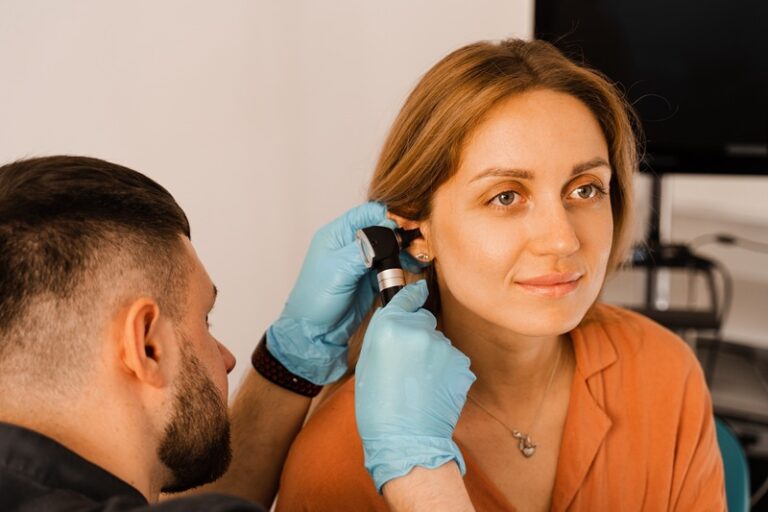
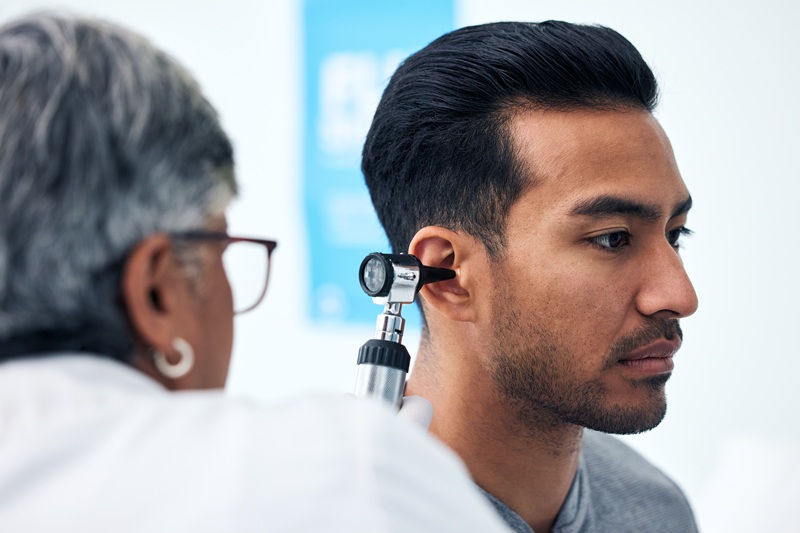
Your clinician will perform otoscopy, an ear exam using a small light to inspect your ear canal and eardrum. This allows the practitioners to check for:
- Earwax build-up
- Inflammation
- Ear canal obstruction
- Signs of infection
- Eardrum health
If wax is present and blocking the view of the eardrum, your clinician may recommend an earwax removal before your hearing assessment.
3. Comprehensive Hearing Assessment
A first appointment in a hearing health care clinic typically includes several evidence-based tests. This may include pure-tone audiometry, speech audiometry, tympanometry and acoustic reflex testing. Let’s explore each one.
Pure-Tone Audiometry (Air & Bone Conduction)
In a pure-tone audiometry exam, you will sit in a sound-treated booth and listen for beeps at different pitches and volumes. This helps determine the quietest sounds you can hear and whether any hearing loss is related to the outer/middle ear or the inner ear.
Speech Audiometry (SRT & Word Recognition)
Speech audiometry is basically a test that tests your ability to hear and understand. It assesses how clearly you understand speech, not just how soft sounds you can detect.
In this test, you may be asked to repeat words or sentences at different volume levels.
Tympanometry & Acoustic Reflex Testing
These tests measure middle ear pressure, eardrum movement and how the auditory system responds to loud sounds. Tympanometry and acoustic reflex testing help identify conditions such as middle ear fluid, Eustachian tube dysfunction or stiffness of the eardrum.
4. Understanding Your Audiogram Results
Your clinician will explain your results clearly, including:
- What the audiogram shows
- How loudness (dB) and pitch (Hz) relate to everyday hearing
- Whether hearing is within normal limits or shows changes
- How your results relate to your communication experiences
This is an important part of your visit to any hearing or audio clinic, hearing health care provider. You should be able to receive clear and easy-to-understand explanations for your hearing health.
5. Management Options and Next Steps
If your hearing test identifies concerns, your clinician will discuss suitable management options. These may include:
Hearing Aids
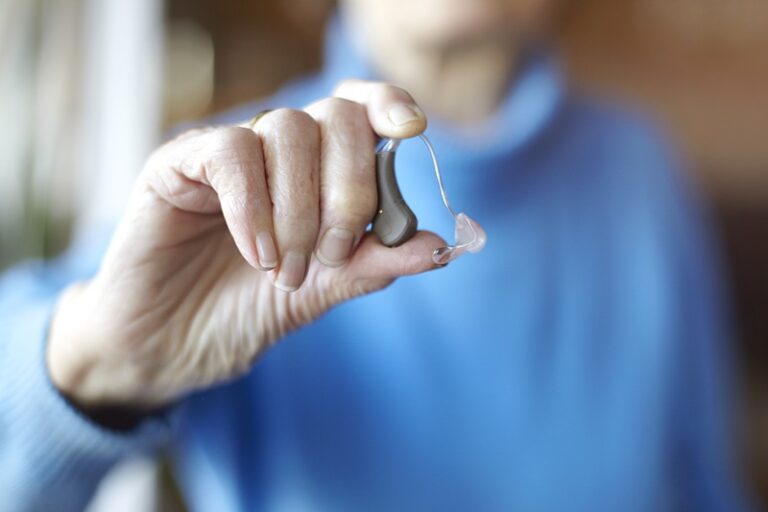
If hearing aids are recommended, you may have the chance to try a same-day demo to understand how amplification feels in real-world listening.
Medical or Specialist Referral
If your results indicate an underlying medical condition, your clinician may refer you to a GP or ENT specialist for further assessment.
Tinnitus Support
If tinnitus is a concern, your clinician may discuss management strategies, sound therapy or further evaluation.
Hearing Protection or Communication Strategies
Advice may be provided on safer listening, earplugs, or communication techniques, depending on your lifestyle and noise exposure.
6. Hearing Aid Trial and Real-Ear Measurement (If Required)
If you choose to trial hearing aids, your fitting appointment may include real-ear measurement (REM). This involves placing a tiny microphone in your ear canal to verify that the hearing aid is delivering the correct amplification for your hearing levels. REM is considered best practice because it ensures the device is personalised to your ear anatomy.
7. Fees, Appointment Length and Follow-Up Plan
Most first appointments usually last around 45–60 minutes. Aside from the consultation, your clinician will also outline the:
- Appointment fees
- Next steps
- Optional follow-up appointments
- Trial periods or reviews (if hearing aids are involved)
If you are eligible for the Hearing Services Program, your clinician can explain what services may be subsidised and assist with enrolment.
Your First Step Toward Better Hearing Health
Visiting a hearing clinic for the first time can feel like a big step, but it’s one that often brings clarity and reassurance. Understanding what to expect helps you feel more prepared, and knowing that your questions will be listened to can make the experience far more comfortable.
Remember, your first appointment is a great opportunity to learn more about your hearing, explore any concerns, and receive guidance that aligns with your lifestyle and needs.
If you’re looking for a leading hearing health clinic in or surrounding Mollymook, Mt Anan, Leppington, and Liverpool, our team at Audience Hearing is here to support you, whether you’re seeking a routine check, noticing changes, or simply wanting to understand your hearing more clearly.
Book a consultation to know more about your hearing health.
Frequently Asked Questions
1. What should I expect during my first hearing clinic visit?
Your first visit typically includes a case history discussion, an ear health check, a comprehensive hearing assessment and an explanation of your results. Your clinician will guide you through each step and answer any questions you may have.
2. How long does a hearing assessment take?
Most first appointments take around 45–60 minutes. This allows enough time for testing, discussing your results and outlining any next steps or follow-up recommendations.
3. What should I bring to my appointment?
It is helpful to bring a photo ID, your Medicare card, a list of medications and any previous hearing test results. If relevant, you may also bring Hearing Services Program documents or medical history information.
4. What happens during a hearing test?
A hearing assessment may include pure-tone audiometry, speech testing, tympanometry and acoustic reflex testing. These tests help assess both hearing sensitivity and middle ear function.
5. Will the clinician check inside my ears?
Yes. An otoscopy is usually performed at the beginning of the appointment. This visual check of the ear canal and eardrum helps identify wax, inflammation or other conditions that may affect your hearing or test results.
6. Will I receive my results on the same day?
Yes, results are typically explained during your appointment. Your clinician will discuss what the audiogram shows, how it relates to everyday hearing and whether further steps may be helpful.
7. Do I need a referral to visit a hearing clinic?
A referral is not usually required for a standard hearing assessment. However, your clinician may recommend speaking with a GP or ENT specialist if medical concerns are identified.
8. What if I need hearing aids?
If hearing aids are appropriate, your clinician will explain suitable options. You may be offered a same-day demonstration and, during a fitting appointment, real-ear measurement may be used to ensure the devices are adjusted accurately for your needs.
9. Is the appointment covered by the Hearing Services Program?
Eligibility for the Hearing Services Program depends on several factors. Our audiologists at Audience Hearing can help determine whether you qualify and assist with any necessary paperwork.
10. What happens after my appointment?
Your clinician will outline a follow-up plan based on your results. This may include routine monitoring, hearing aid trial appointments, communication strategies or medical referral if indicated.