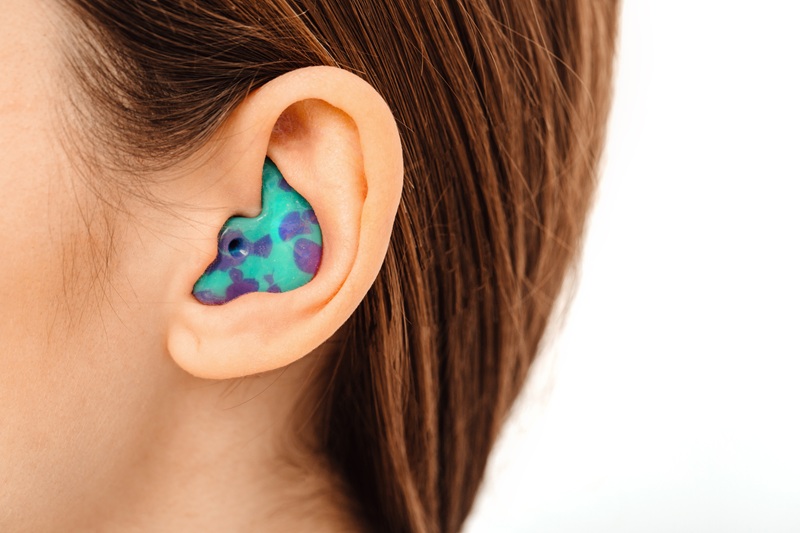
Hearing technology has come a long way in the last decade. Modern hearing aids have now become smaller, smarter, and more comfortable than ever before. Among the many options available, in-the-canal hearing aids (IC hearing aids) have become popular for people who want a discreet style without sacrificing sound quality or modern features.
Let’s explore more about the features and considerations in case you are thinking of getting in-the-canal (ITC) hearing aids.
What Are In-the-Canal (ITC) Hearing Aids?
Before we go straight to the features and considerations, let’s understand what in-the-canal hearing aids are first. In-the-canal hearing aids are custom-made devices that sit partly inside your ear canal. Unlike the very tiny completely-in-the-canal (CIC) style, ITC hearing aids fill more of the outer ear, allowing room for extra features such as Bluetooth connectivity or directional microphones.
Because they are moulded to fit your ear shape, they provide a secure and natural fit. Each device is made from a deep ear impression taken by an audiologist to match the exact curves of your ear canal.
Key Features of In-the-Canal Hearing Aids
Modern IC hearing aids are packed with features designed for comfort and convenience. Here are some of the features that many people benefit from the in-the-canal hearing aids.
1. Custom Shell Fit
Each ITC device is custom-made using deep ear impressions for a perfect fit. This ensures stability when talking or chewing and helps prevent sound leakage.
2. Natural Sound and Comfort
The blocked ear feeling, which is also called the occlusion effect, may be reduced through the venting designs that allow natural airflow. A good fit means less echo and a more comfortable listening experience.
3. Battery Options: Rechargeable or Disposable
Many of the best in-the-canal hearing aids now come with rechargeable batteries, removing the need to handle small batteries. Others use traditional size 312 batteries, which can last several days before replacement.
4. Bluetooth Streaming and Hands-Free Calling
Select ITC models support Bluetooth LE Audio technology, allowing you to stream phone calls, music, or TV audio directly to your hearing aids. Some also offer hands-free calling for compatible smartphones.
5. Directional Microphones and Beamforming
Dual microphones help your devices focus on the sounds you want to hear, such as speech in a busy café, while minimising background noise. This is known as directional or beamforming technology.
6. Telecoil and Accessory Compatibility
Some IC hearing aids include telecoil functions, which work with hearing-loop systems in public venues like theatres or churches. Others can connect with remote microphones or TV streamers for clearer listening in specific environments.
7. Feedback Cancellation and Noise Reduction
Advanced feedback cancellation prevents the whistling sounds that sometimes occur with older devices. Noise-reduction algorithms also help soften unwanted background sounds, improving speech clarity.
8. Smartphone Apps and Remote Fine-Tuning
Many ITC devices now can be linked to a smartphone app, allowing you to adjust volume, change listening programs, or request remote adjustments from your audiologist without an in-person visit.
9. Wax Guards and Moisture Protection
ITC hearing aids are exposed to earwax and moisture. Built-in wax guards and protective coatings help reduce damage and extend the device’s life. Regular cleaning and maintenance are important to keep them performing well.
What to Consider Before Choosing ITC Hearing Aids
Before deciding on getting in-the-canal hearing aids, it’s worth thinking about the following factors that you have to know to set your expectations:
Visibility and Handling
While smaller than behind-the-ear models, ITC hearing aids are not completely invisible. They are, however, easier to handle than the smallest CIC styles, especially for users with limited dexterity.
Maintenance
Because they sit partly in the ear canal, these devices can collect wax and moisture. Routine cleaning and professional servicing are needed to keep them in good condition.
Connectivity
If you enjoy streaming from your phone or TV, check whether the ITC model you’re considering offers Bluetooth compatibility or remote accessories.
Hearing Goals
Your audiologist will discuss how different models perform in noisy environments, such as restaurants, and whether features like speech-in-noise programs or remote fine-tuning are worth including.
ITC vs CIC vs RIC vs BTE: A Quick Comparison
As you may know, there are already several types of hearing aids available today in Australia. Some of the most common are Completely-in-the-Canal (CIC), In-the-Canal (ITC), Receiver-in-Canal (RIC) and Behind-the-Ear (BTE) hearing aids.
Understanding the main types of hearing aids can help you make an informed choice:
| Type | Size & Fit | Key Features | Best For |
| CIC (Completely-in-the-Canal) | Smallest, fits deep inside ear canal | Very discreet, limited controls | Mild hearing loss |
| ITC (In-the-Canal) | Slightly larger, partly visible | More features (Bluetooth, volume control) | Mild to moderate loss |
| RIC (Receiver-in-Canal) | Tiny case behind ear with thin wire | Rechargeable, versatile, good sound clarity | Mild to severe loss |
| BTE (Behind-the-Ear) | Case sits behind ear with earmould | Strongest power, easiest handling | Moderate to profound loss |
Hear Life More Clearly with the Right Fit
In-the-canal hearing aids combine comfort, discretion, and smart technology in one small device. They’re ideal for those who want natural sound and an easy, secure fit that blends seamlessly with everyday life. Whether you’re catching up with friends, watching TV, or enjoying the sounds of nature, these custom-made devices can help bring clarity back to the moments that matter most.
If you’ve been thinking about improving your hearing but are not sure where to start, our audiologists at Audience Hearing can help. We can assess your hearing, discuss your lifestyle needs, and guide you toward the most suitable option that supports your hearing goals.
Book your hearing consultation today for an assessment.
Frequently Asked Questions
In-the-canal hearing aids are small, custom-made devices that fit partly inside your ear canal. They are designed to be discreet while still offering good sound quality and features like Bluetooth connectivity or directional microphones.
ITC hearing aids are usually recommended for people with mild to moderate hearing loss. They’re a great choice for those who want a comfortable and natural fit without a large device behind the ear.
Yes, many of the best in-the-canal hearing aids today include rechargeable batteries. However, some models still use replaceable size 312 batteries. Your audiologist can guide you on which option suits your needs and routine best.
Many modern ITC hearing aids feature Bluetooth streaming, allowing you to connect to your phone, tablet, or TV. You can also make hands-free calls and adjust settings through a smartphone app, depending on the model.
Since these devices sit inside the ear, they can collect earwax and moisture. Regular cleaning, using wax guards, and professional maintenance help keep them in good working condition. Your audiologist can show you simple ways to clean them safely.
With proper care, ITC hearing aids can last around five to seven years. Regular check-ups and servicing can help extend their lifespan and ensure they continue performing well.
Yes, eligible clients may receive support through the Australian Government Hearing Services Program (HSP), Department of Veterans’ Affairs, or their private health insurance. Our audiologists at Audience Hearing can help check your eligibility and guide you through the process.
Compared to completely-in-the-canal (CIC) or behind-the-ear (BTE) hearing aids, ITC models offer a balance between discreet design and advanced functionality. They can include more features than CIC devices while remaining smaller than traditional BTE styles.
The best way to know is to book a hearing assessment with an audiologist. They will likely get you an assessment first to ensure your situation is appropriate for ITC. They will test your hearing, discuss your listening goals, and recommend the most suitable hearing aid style for your needs and comfort.
You can visit Audience Hearing, where our audiologists can assess your hearing and guide you through the available options, including ITC hearing aids and other suitable models.