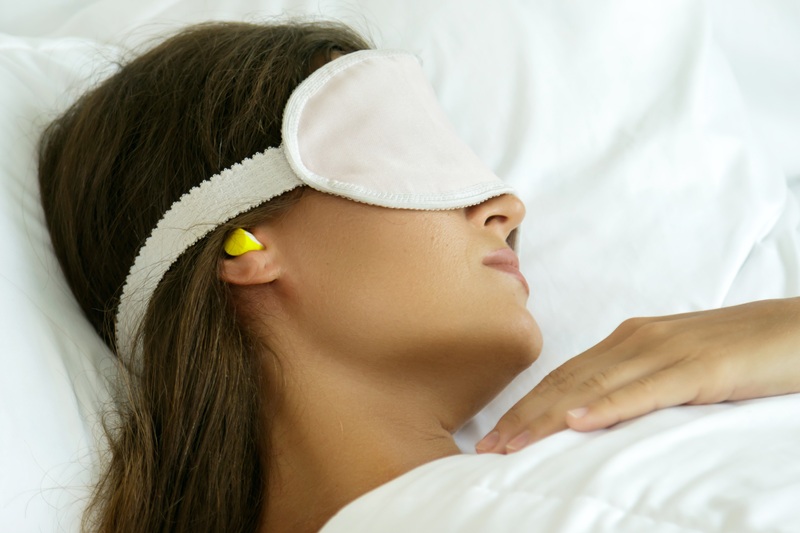
Getting a good night’s sleep is essential for your overall health and well-being. However, many people struggle to sleep because of environmental noise, such as traffic, snoring, neighbours, or shift-work schedules. For these situations, wearing earplugs to sleep can be a helpful option.
At Audience Hearing, we often speak with people who are unsure how to choose earplugs for sleeping, or who have tried different options without finding something comfortable. Choosing the best earplugs for sleeping involves more than just blocking sound, such as comfort, fit, and ear health are equally important.
Our blog explains what to consider when choosing good sleep earplugs, how to use them safely, and when professional advice may help.
Why People Use Earplugs While Sleeping
Using earplugs while sleeping can help reduce unwanted noise and support better rest. People often choose sleep earplugs if they:
- Live near busy roads or noisy areas
- Share a bed with a snoring partner
- Work night shifts and sleep during the day
- Are sensitive to background noise
Reducing noise exposure overnight can help some people fall asleep more easily and wake less often during the night.
Different Types of Earplugs for Sleeping
Before choosing earplugs, it’s helpful to understand the main options available.
Foam Earplugs
Foam earplugs are commonly used for sleeping. They expand gently in the ear canal and can reduce a wide range of noise levels. They are usually affordable and easy to find.
Things to consider:
- Must be inserted correctly for effectiveness
- May feel bulky for side sleepers
- Usually single-use or short-term use
Silicone or Reusable Earplugs
Reusable silicone earplugs are often softer and may be more comfortable for overnight wear. Some sit at the entrance of the ear canal rather than deep inside.
Things to consider:
- Easier to clean and reuse
- May reduce noise less than foam plugs
- Comfort varies depending on ear shape
Custom-Made Sleep Earplugs
Custom earplugs are moulded to fit your ears and are designed for comfort during extended wear.
Things to consider:
- Tailored fit for comfort, especially for side sleepers
- Long-lasting and reusable
- Require professional fitting
Custom options are often recommended for people who regularly rely on earplugs while sleeping.
Comfort Is Key for Sleeping Earplugs
Comfort is one of the most important factors when choosing sleep earplugs. Earplugs that cause pressure, soreness, or irritation may disturb your sleep rather than improve it.
When considering how to choose earplugs for sleeping, think about:
- Your sleeping position (side sleepers may need low-profile earplugs)
- The size and shape of your ear canals
- Whether the earplugs stay in place overnight
If earplugs fall out or cause discomfort, they may not be suitable for regular use.
Noise Reduction vs Total Silence
Many people assume the best earplugs for sleeping are the ones that block all sound. In reality, total silence is not always necessary or recommended.
Good sleep earplugs aim to:
- Reduce disruptive noise
- Allow you to hear important sounds, such as alarms
Some earplugs reduce noise evenly across frequencies, while others mainly reduce higher-pitched sounds. The right balance depends on your environment and comfort.
Safety Considerations When Wearing Earplugs to Sleep
Using earplugs while sleeping is generally safe for most people, but there are a few important points to keep in mind.
Ear Health
Regular use of earplugs can sometimes:
- Push earwax deeper into the ear canal
- Increase moisture, which may raise the risk of irritation
If you experience ear discomfort, fullness, or frequent ear infections, it’s a good idea to seek professional advice before continuing regular use.
Hygiene
Reusable earplugs should be cleaned regularly according to manufacturer instructions. Disposable foam earplugs should not be reused beyond their intended lifespan.
Good hygiene reduces the risk of ear irritation or infection.
Are Sleeping Earplugs Right for Everyone?
While many people benefit from sleeping earplugs, they are not the best solution for everyone. You may need to consider alternatives if:
- You experience ear pain when using earplugs
- You have recurring ear infections
- You rely on hearing overnight for safety reasons
In some cases, sound management strategies, bedroom adjustments, or professional advice may be more suitable.
When to Seek Professional Advice
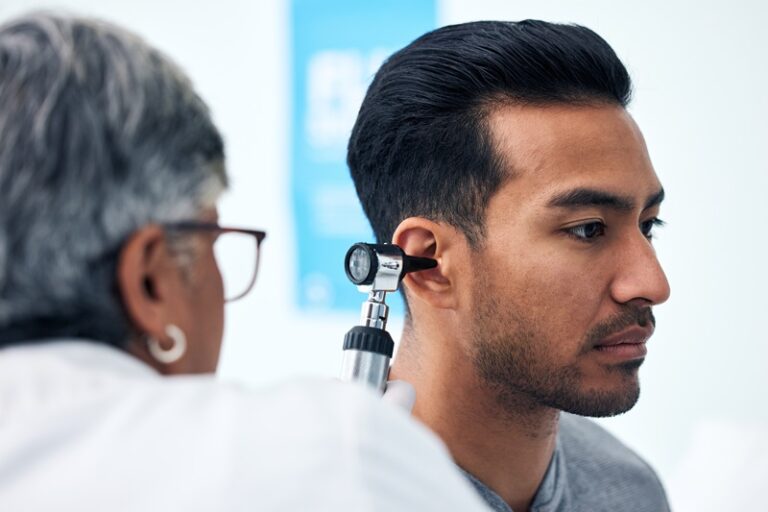
If you are unsure which earplugs are right for you, or if you plan to use them regularly, speaking with a hearing professional can help.
A clinician can:
- Check your ear health
- Recommend suitable good sleep earplugs
- Discuss custom options if appropriate
- Ensure safe and comfortable use
Professional guidance is particularly helpful for people with sensitive ears or existing ear conditions.
Better Sleep Starts with the Right Choice
Choosing the right earplugs can make a meaningful difference to your sleep quality. Comfort, fit, hygiene, and safety are just as important as noise reduction when deciding which earplugs to use.
Choosing the right earplugs can make a real difference to sleep quality. Comfort, hygiene, and proper fit all play a role in finding a solution that works for you without compromising ear health.
If you’re unsure which option is best, professional guidance can help you make an informed and comfortable choice. The team at Audience Hearing can provide advice based on your ear health, sleep habits, and how often you use earplugs, helping you find an option that suits your needs.
Book a consultation to know more about choosing the right earplugs for you.
Frequently Asked Questions
1. What are the best earplugs for sleeping?
The best earplugs for sleeping are those that are comfortable, stay in place overnight, and reduce noise without causing pressure or irritation. This varies from person to person.
2. Is wearing earplugs to sleep safe every night?
For many people, it is safe when earplugs are used correctly and kept clean. If you notice ear discomfort or infections, seek professional advice.
3. How do I choose earplugs for sleeping if I’m a side sleeper?
Side sleepers often prefer low-profile or softer earplugs that don’t press into the ear when lying on one side.
4. Can using earplugs while sleeping cause earwax problems?
Regular use may push earwax deeper into the ear canal for some people. If you notice blockage or discomfort, have your ears checked.
5. Are custom earplugs better for sleep?
Custom earplugs are designed to fit your ears and may offer greater comfort and durability, especially for regular overnight use.
6. How often should I replace sleep earplugs?
Disposable earplugs should be replaced regularly. Reusable earplugs should be replaced when they show signs of wear or no longer fit well.
7. Should I hear my alarm if I wear earplugs?
Many earplugs reduce noise rather than block it completely, allowing important sounds like alarms to still be heard. Choosing the right level of noise reduction is important.
8. When should I see a hearing professional about sleep earplugs?
If you use earplugs often, experience discomfort, or want a more personalised solution, professional advice can help ensure safe and effective use.