Hearing well means more than just turning up the volume. For many Australians with hearing loss, a well‑fitted device can open up conversations, clarify TV sound, and reconnect you with people you care about. One of the most flexible and effective hearing aid styles available now is the behind‑the‑ear canal hearing aid (often called a BTE hearing aid).
In this guide, we’ll cover what behind‑the‑ear (BTE) hearing aids are, the different BTE hearing aid types, how to know if you’re a good candidate, and why they might be the best match for your hearing needs and lifestyle.
What Are BTE Hearing Aids?
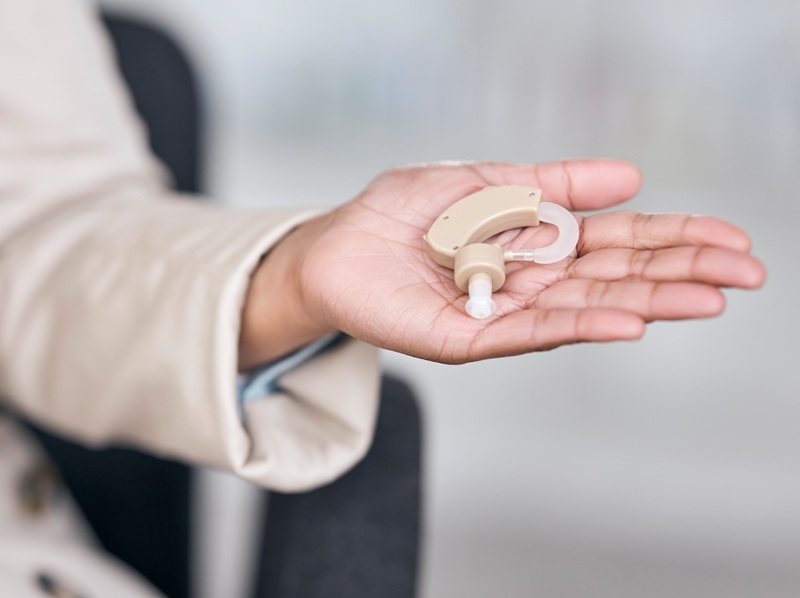
A BTE hearing aid is a style where the main electronic module sits just behind the ear. A thin tube or custom earmould connects the device casing to an ear canal tip or mould. Sound is picked up by the microphone behind the ear, processed and amplified, then delivered via the tube into your ear.
Because of this design, BTE devices are able to carry large batteries, more advanced features, stronger amplification, and are used for a wide range of hearing losses, from mild to profound hearing loss.
How Exactly Can BTE Hearing Aid Help with Hearing Loss?
Now that we already know what behind-the-ear hearing aids are, let’s explore how this device may help someone with hearing loss.
Versatility for Many Hearing Loss Levels
Whether your hearing loss is mild, moderate, or severe, BTE devices can be customised to meet your needs. In fact, some powerful BTE hearing aids are specifically made for severe to profound hearing loss, thanks to their size and capacity for stronger amplification.
Fit & Comfort: Custom Earmoulds vs Thin Tubes
There are different BTE hearing aid types offering different fits. Some use a full custom earmould that fills part of your ear canal, while others use a thin tube or slim tip for more comfort and less occlusion. A properly moulded or tipped BTE means better sound, fewer issues with feedback (that whistling sound) and often greater comfort.
Advanced Features & Connectivity
Because the electronics sit behind the ear, BTEs often support more advanced features, including:
- Directional microphones & beam‑forming technology, which helps focus on the person you’re listening to.
- Bluetooth streaming & telecoil functions, letting you connect to phones, TVs, loop systems or remote microphones in meetings or classrooms.
- Rechargeable battery options or larger size batteries for longer life.
Durability & Maintenance
The larger size and external placement behind the ear help BTEs avoid some issues that very small devices face (like wax blockage or moisture). They tend to be more durable, easier to handle, cleaner to maintain and better suited for people with dexterity issues.
Am I a Good Candidate for BTE Hearing Aids?
You may be a strong candidate for a BTE if:
- You have hearing loss ranging from mild to severe.
- You need a device that supports strong amplification (for moderate/severe loss).
- You want or need advanced features (Bluetooth, telecoil, remote mic).
- You prefer ease of use (larger battery, easier controls, fewer handling problems).
- Your ear canal shape or health means in‑ear styles are less ideal (e.g., wax issues, ear‑canal shape changes).
When are BTEs especially useful?
- For children who need paediatric BTE options with tamper‑proof features.
- For people working in noisy places, needing strong amplification and directional microphones.
- For those who want streaming or connectivity for lifestyle reasons.
BTE vs RIC vs ITE: How Do They Compare?
There are many different types of hearing aids today that also has their own benefits and drawbacks. Here’s a quick comparison of BTE versus two other popular styles, (Receiver‑in‑Canal (RIC) and In‑the‑Ear (ITE)):
| Style | Placement | Hearing‑loss range | Feature support | Handling & maintenance |
| BTE | Behind the ear + tube/ear‑mould | Mild to profound | Higher power, connectivity, large battery | Easier to handle, robust |
| RIC | Behind ear with thin wire + receiver in canal | Mild to severe | Good connectivity, stylish | Requires care of receiver in canal |
| ITE | Device sits in outer ear or ear canal | Mild to moderate | Fewer features due to size | Smaller size, may be harder to handle |
This comparison helps if you’re weighing what BTE hearing aids can offer against other styles. In many clinics, BTE remains the most flexible device for wide-ranging hearing needs.
However, it’s still best to get assistance from an audiologist first to guide you on your hearing assessment and on choosing your device.
What to Consider When Choosing a BTE Hearing Aid
Battery & Style
BTEs can come with large traditional batteries or newer rechargeable ones. Rechargeables are convenient, but you would have to check runtime, ease of charging and replacement.
Noise Management & Feedback Cancellation
Modern BTEs have built‑in technologies for feedback cancellation, wind noise reduction, and better speech‑in‑noise performance, which are important if you’re in busy or outdoor settings.
Moisture and Durability
Because the device sits behind the ear, it is slightly more exposed. However, they are better placed for durability than devices inside the ear. If you sweat heavily or work outdoors, look for moisture/IP protection.
Fitting & Verification
A good fitting involves real‑ear measurement (REM), where your audiologist checks that the device is sending the correct sound levels to your ear. Make sure your hearing care provider uses REM for your BTE device.
Cost and Funding in Australia
BTE hearing aids may cost more or less, depending on features. If you are eligible under the Hearing Services Program (HSP), for example, if you’re a pensioner or veteran, you may get subsidies for BTE devices. Private health insurance extras may also offset costs, as well. So make sure to check your policy for this.
Can BTE Hearing Aids Help You?
If you’re dealing with hearing loss and want a strong, reliable solution, then yes, behind‑the‑ear hearing aids may help you hear better. They offer flexibility in power, feature set, connectivity, and durability. They also cater to a broad range of hearing‑loss severities.
That said, BTEs also have some drawbacks and may not be suitable for all. If you have minimal hearing loss and want maximum invisibility, you might consider other styles. If you have a very severe loss and need special support, you may still prefer a high‑power BTE. The key is matching features to your hearing, lifestyle and budget.
To know better, always ask for an audiologist’s guidance. Discuss your concerns with Audience Hearing to get comprehensive hearing assessments and assistance on choosing the right option for you.
Book your consultation to know better.
Frequently Asked Questions
Behind‑the‑ear hearing aids (BTE) are devices that rest behind your ear and send amplified sound into your ear canal through a small tube or mould. They are known for their versatility, power, and comfort.
BTE hearing aids are suitable for people with mild to profound hearing loss, including children, adults, and seniors. They are especially useful for those who want strong amplification, easy handling, and advanced connectivity options.
There are different BTE hearing aid types, such as:
- Standard BTEs with custom earmoulds for high power
- Slim‑tube BTEs for lightweight comfort
- Rechargeable BTEs with built‑in batteries
Your audiologist can recommend which type suits your hearing level and lifestyle best.
Yes. Many modern BTE models come with Bluetooth streaming, telecoil, and rechargeable battery options, allowing you to connect directly to smartphones, TVs, or assistive listening systems.
BTE hearing aids are known for their durability and moisture protection. Their larger design makes them easier to clean and handle than smaller in‑ear models, making them a practical option for many users.
If you are eligible under the Hearing Services Program (HSP), for example, as a pensioner, veteran, or concession card holder, you may receive fully or partially subsidised BTE hearing aids. Some private health insurance extras may also provide rebates.
- BTE: Sits behind the ear; suits mild to profound hearing loss; strong amplification.
- RIC: Smaller, sits behind the ear with receiver in canal; great for mild–severe loss.
- ITE: Fits in the ear bowl; more discreet but offers fewer features.
Your audiologist can help you compare options based on your needs.