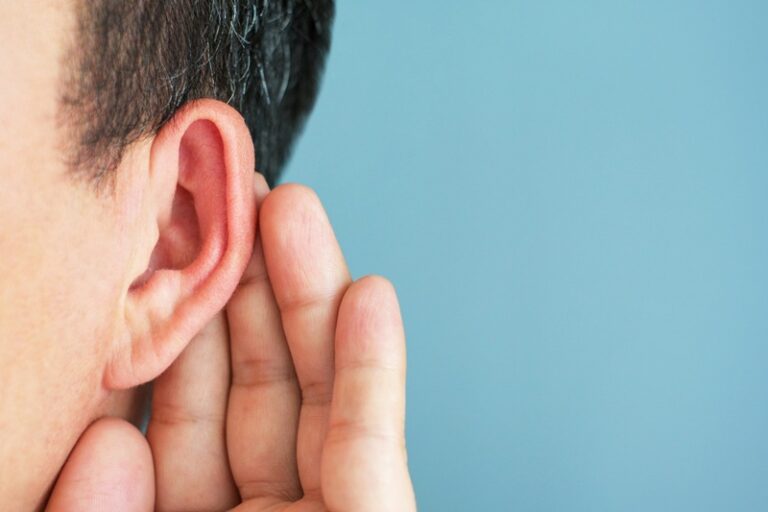
As we grow older, changes in hearing are quite common; that’s why many seniors notice they need the television louder or struggle to follow conversations in busy places. While these changes can feel like a normal part of ageing, it’s still best that they should not be ignored.
Understanding hearing health for seniors is still important despite being common. Doing so will help you stay connected, confident, and safe. If you or a loved one receives a pension, knowing when to book a hearing check for pensioners can make a meaningful difference.
Let’s explore the signs to look for, when older adults need a hearing check, and what support options are available in Australia.
Why Hearing Health Matters for Seniors
Hearing plays a key role in everyday life. It helps us communicate, stay socially active, and respond to important sounds like alarms or traffic.
According to research, untreated age-related hearing loss can affect communication, increase listening fatigue, and impact overall well-being. It is found that seniors with untreated hearing loss experience 30%-40% faster decline in cognitive abilities.
Many seniors adjust gradually to hearing changes without realising how much they are already missing. That’s why routine hearing check-ups for seniors allow early detection and better management of hearing changes.
What Is Age-Related Hearing Loss?
Age-related hearing loss, also called presbycusis, is a gradual change in hearing that can happen as we get older. It usually affects both ears and often starts with higher-pitched sounds becoming harder to hear. That is why voices may sound less clear, even when people are speaking loudly enough.
You may notice:
- Trouble understanding speech in noisy environments
- Difficulty hearing children’s or women’s voices clearly
- Frequently asking people to repeat themselves
- Feeling that others are mumbling
- Ringing in the ears (tinnitus)
These are common hearing loss signs in pensioners and should not be dismissed as “just getting older.”
When Older Adults Need a Hearing Check
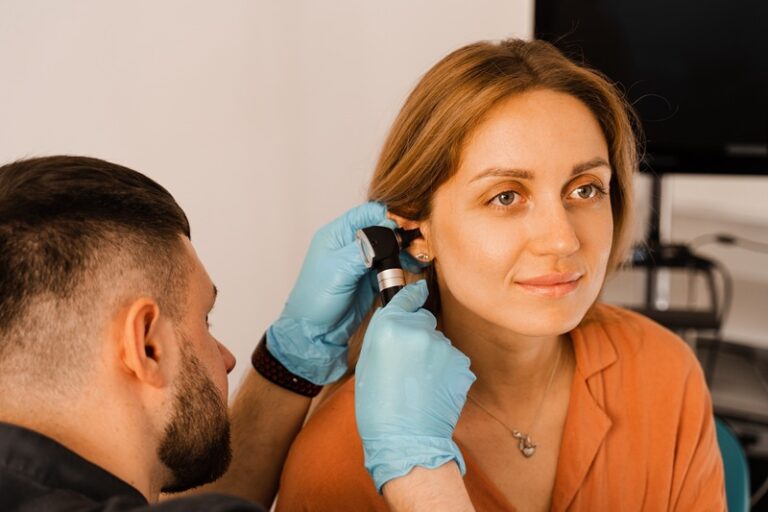
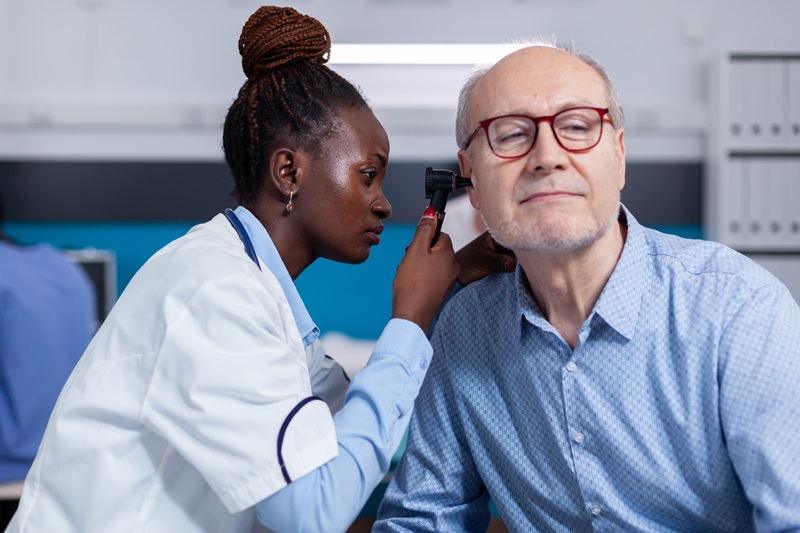
It can be hard to tell when hearing changes are worth checking. Many people adjust without realising it, especially when the change is gradual. A hearing check for pensioners is a simple way to get clarity and peace of mind.
As a general guide, seniors may consider:
- A baseline hearing test around retirement age (or earlier if you’ve worked in noisy environments)
- A pensioner hearing test every 1–2 years, even if there are no major concerns
- An earlier appointment if you notice changes that affect daily life
It may be time to book a hearing check sooner if you experience some of these signs:
- Turn the TV or radio up higher than others prefer
- Struggle to hear in groups or background noise, like cafés or family gatherings
- Ask people to repeat themselves, especially on the phone
- Feel tired or drained after conversations because listening takes more effort
- Notice ringing in the ears (tinnitus), even if it comes and goes
- Have family or friends saying, “I think you’re missing a few things”
A check-up does not mean you will need hearing aids right away. It simply helps you understand what is happening and, if needed, take early steps to protect your hearing health for seniors and stay confident in everyday conversations.
Aside from that, hearing check-ups have become more accessible for veterans and seniors, as the Australian Government offers benefits for eligible pensioners.
Are Free Hearing Tests Available for Pensioners?
You may be wondering if free hearing tests are available for pensioners in Australia. The answer is yes! Many eligible Australians can access free hearing tests for pensioners through the Australian Government’s Hearing Services Program.
The program is designed to support people who may be at higher risk of hearing loss, including older adults and individuals receiving certain government benefits. It provides access to government-funded hearing services, including assessments and, if required, subsidised hearing devices and ongoing support.
However, this hearing service program also has eligibilities and requirements.
Who Is Eligible?
You may be eligible for the program if you:
- Receive the Age Pension
- Receive the Disability Support Pension
- Hold a Pensioner Concession Card
- Receive certain payments from the Department of Veterans’ Affairs (DVA)
- Are referred by Services Australia as eligible under program criteria
In most cases, you must also be an Australian citizen or permanent resident and meet the program’s residency requirements.
What Does the Program Cover?
If you are eligible, the Hearing Services Program may provide access to:
- A free hearing assessment
- A hearing rehabilitation plan, if required
- Subsidised or fully funded hearing aids (depending on eligibility)
- Follow-up appointments and ongoing maintenance
- Repairs and batteries for approved devices
A professional hearing assessment will determine your current hearing levels and whether hearing aids for pensioners or other supports are appropriate.
If you are unsure about your eligibility, a hearing clinic can still help check your status and explain your options clearly. For better understanding, a pensioner hearing test is often the first step in accessing available support. This will also help you know if you may be needing hearing aids.
Hearing Aids for Pensioners
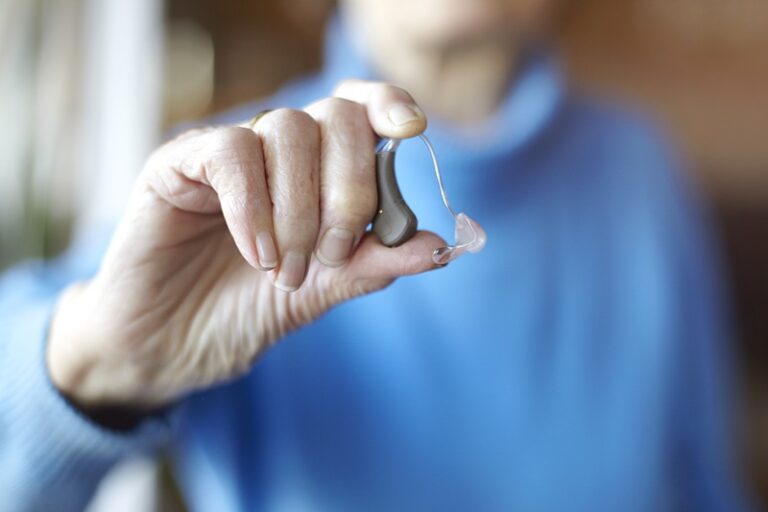
If hearing loss is identified, hearing aids for pensioners may be recommended. Modern hearing aids are small, discreet, and designed to support everyday communication.
Hearing aids can:
- Improve clarity of speech
- Reduce listening fatigue
- Help you feel more confident in social settings
- Support safer awareness of environmental sounds
However, not everyone with hearing loss needs hearing aids straight away. In some cases, monitoring or communication strategies may be appropriate as a first course of action before hearing aids are recommended. A clinician will explain both the benefits and limitations based on your hearing results.
Don’t Wait to Prioritise Your Hearing
If you have noticed hearing loss signs in pensioners, or if it has been several years since your last test, it may be time to consider a check-up. Early care can help maintain independence, improve communication, and support overall quality of life.
If you or an elderly loved one has been struggling to hear properly, Audience Hearing provides professional hearing assessments and guidance for pensioners and veterans. Our team is here to offer clear information, respectful care, and support tailored to your needs.
Schedule a consult today to know more about your hearing health.
Frequently Asked Questions
1. How often should pensioners have a hearing check?
Routine hearing check-ups for seniors are generally recommended every 1–2 years, even if there are no major concerns. Earlier testing is advised if you notice hearing changes, ringing in the ears, or difficulty understanding conversations.
2. What are common hearing loss signs in pensioners?
Common hearing loss signs in pensioners include:
- Turning the television up louder than others prefer
- Difficulty hearing in background noise
- Frequently asking people to repeat themselves
- Feeling that others are mumbling
- Ringing in the ears (tinnitus)
If you notice these signs, a hearing check for pensioners can help clarify what is happening.
3. Are free hearing tests available for pensioners in Australia?
Yes. Eligible pensioners may access free hearing tests for pensioners through the Australian Government’s Hearing Services Program. Eligibility typically includes Age Pension recipients, Disability Support Pension recipients, certain DVA clients, and Pensioner Concession Card holders, subject to residency requirements.
4. What is covered under the Australian Hearing Services Program?
Government-funded hearing services may include:
- A free hearing assessment
- A hearing rehabilitation plan
- Subsidised or fully funded hearing aids (if clinically appropriate)
- Ongoing maintenance and support
- Repairs and batteries for approved devices
A pensioner’s hearing test is usually the first step in accessing these services.
5. When do older adults need a hearing check?
Older adults should consider a hearing check if they experience noticeable hearing changes, listening fatigue, or communication difficulties. It is also recommended around retirement age to establish a baseline for future monitoring.
6. Can pensioners receive hearing aids through government support?
Yes. Eligible individuals may receive hearing aids for pensioners under the Hearing Services Program. The type of device recommended will depend on the individual’s hearing needs and clinical assessment.
7. Does a hearing check mean I will need hearing aids?
Not necessarily. A hearing assessment helps identify your current hearing levels. In some cases, monitoring or communication strategies may be recommended before hearing aids are considered.