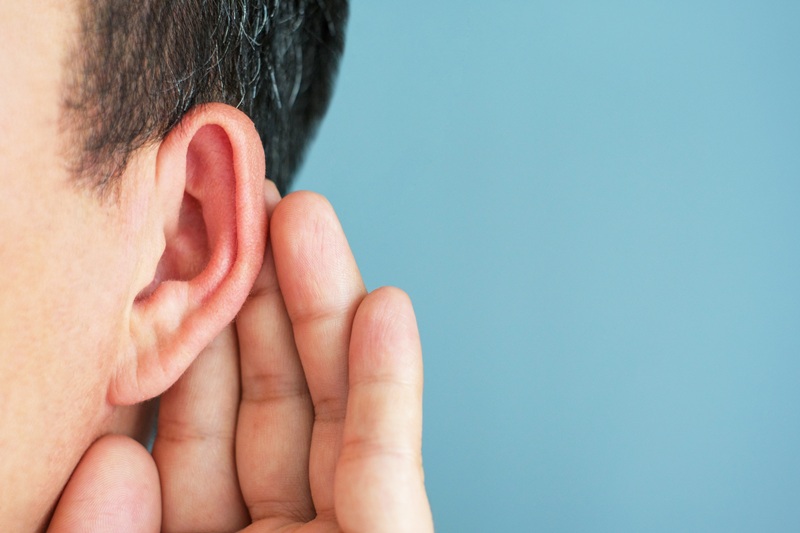
Many Australian workers are exposed to loud sounds every day. From construction sites to warehouses and manufacturing plants, workplace noise exposure is common across many industries.
Over time, this noise can affect your hearing in ways that are not always obvious at first. Understanding the signs of hearing loss early can help you become more informed in protecting your hearing and preventing long-term damage.
If you work in a noisy environment, here is what you need to know about work-related noise-induced hearing loss in Australia and the warning signs you should never ignore.
What Is Noise-Related Hearing Loss?
Noise-related hearing loss happens when loud sounds damage the tiny hair cells inside your inner ear. These cells help convert sound into signals your brain understands.
However, once these cells are damaged, they do not grow back. This means the hearing loss is usually permanent.
In Australia, workplace safety laws require employers to reduce noise risks and follow WorkSafe hearing protection guidelines. Despite these protections, many workers still develop occupational hearing damage over time.
This type of hearing loss is often called industrial deafness, as it is related to work noise.
Why Workers May Not Notice It Straight Away
Noise-induced hearing loss usually develops slowly. Because it happens over months or years, many people do not realise their hearing has changed.
You may still hear some sounds clearly, especially in quiet environments, but early signs of hearing loss are often subtle and easy to dismiss. That is why it is important to recognise the warning signs early before anything gets worse.
Early Signs of Hearing Loss in Noisy Workplaces
Because hearing loss can happen gradually, you may not notice it right away unless someone points it out for you. Here are some common noise-induced hearing loss symptoms workers should watch for:
1. Ringing in the Ears After Work
Do you notice a buzzing or ringing in the ears after work?
This is medically called tinnitus. Studies have shown that tinnitus is often one of the first signs of damage caused by loud noise. Even if the ringing fades by the next morning, it may signal that your ears have been stressed.
If this happens regularly, it should not be ignored.
2. Difficulty Hearing Conversations at Work
Are you experiencing difficulty hearing conversations at work, especially in busy or noisy areas?
You may find yourself:
- Asking colleagues to repeat themselves
- Struggling to follow group discussions
- Feeling like people are mumbling
High-pitched sounds, such as certain speech sounds, are often the first to be affected. This is a common pattern seen in hearing loss in factory workers and other industrial settings.
3. Turning Up the Volume More Than Others
If you are increasing the volume on the TV or radio more than family members prefer, this could be one of the industrial deafness warning signs.
Often, loved ones notice changes before you do. If someone mentions your hearing seems different, it is worth taking seriously.
4. Feeling Tired After Listening All Day
Hearing loss does not just affect your ears. It can make your brain work harder to understand speech.
If you feel mentally drained after meetings or conversations, it could be related to early occupational hearing damage. Listening fatigue is a common but overlooked symptom.
5. Sounds Seem Muffled
Another early sign is when speech sounds unclear or muffled, especially in noisy environments.
You might hear that someone is talking, but struggle to understand the words clearly. This is a key symptom of noise-related hearing loss and often appears before more noticeable hearing problems develop.
Protecting Your Hearing at Work
Protecting your hearing is not just your employer’s responsibility; it is something you can actively take part in every day. Following WorkSafe hearing protection guidelines helps reduce the risk of long-term damage and supports safer workplaces across Australia.
Practical steps may include:
- Wearing correctly fitted earplugs or earmuffs whenever you are in high-noise areas. Poorly fitted protection may not provide enough noise reduction.
- Using the right type of protection for the task, as different jobs may require different levels of noise control.
- Taking regular breaks from noisy environments to give your ears time to recover.
- Reporting faulty or excessively loud equipment so it can be checked and maintained. Well-maintained machinery often produces less harmful noise.
- Participating in workplace hearing monitoring programs, including baseline and follow-up hearing tests, to detect early changes.
It is also important to avoid removing hearing protection for “just a few minutes,” as even short periods of intense noise exposure can contribute to damage over time.
Why Early Action Matters
The earlier noise-induced hearing loss symptoms are identified, the better the outcome. While damaged hearing cannot be restored naturally, early intervention can:
- Prevent further damage
- Improve communication at work
- Support workplace safety
- Strengthen industrial deafness claims if applicable
Ignoring the signs of hearing loss may lead to more severe and permanent changes. Small, consistent actions can significantly lower your risk of occupational hearing damage. Protecting your hearing today can help preserve your communication, safety, and quality of life well into the future.
Don’t Ignore the Warning Signs
If you believe you are experiencing occupational hearing damage, it is important to seek professional advice. If you have noticed ringing in the ears after work, difficulty hearing conversations at work, or other early warning signs, it may be time to act.
Audience Hearing can provide comprehensive hearing assessments for workers and support those concerned about industrial deafness. Our team can also guide you through your industrial deafness claims, so you don’t have to do any guesswork.
Book a consultation with us to know more about how you can protect your hearing and what benefits you can claim.
Frequently Asked Questions
1. What are the early signs of hearing loss from workplace noise?
Early signs of hearing loss may include ringing in the ears after work, difficulty hearing conversations at work, muffled sounds, and needing to turn up the volume more than others. These symptoms can develop gradually and may not be obvious at first.
2. What is work-related noise-induced hearing loss in Australia?
Work-related noise-induced hearing loss in Australia refers to permanent hearing damage caused by long-term exposure to loud noise in the workplace. It is commonly seen in construction, mining, manufacturing, and transport industries. This condition is often referred to as industrial deafness.
3. Is ringing in the ears after work a warning sign?
Yes. Ringing in the ears after work, also known as tinnitus, can be one of the early noise-induced hearing loss symptoms. Even if the ringing fades, it may indicate that your ears have been exposed to harmful noise levels.
4. When should workers get a hearing test?
Workers should consider a hearing test if they notice signs of hearing loss, experience regular tinnitus, or work in environments with ongoing workplace noise exposure. Regular monitoring is recommended for employees in high-noise industries.
5. Can noise-related hearing loss be reversed?
Noise-related hearing loss is usually permanent because the damaged inner ear cells do not grow back. However, early identification can help prevent further occupational hearing damage and support better long-term outcomes.
6. How can I protect my hearing at work?
You can protect your hearing by following WorkSafe hearing protection guidelines. This includes wearing properly fitted ear protection, taking breaks from noisy environments, and participating in workplace hearing monitoring programs.
7. Can I make an industrial deafness claim?
If your hearing loss is related to workplace noise exposure, you may be eligible to explore an industrial deafness claim. A comprehensive hearing assessment can help determine your level of hearing loss and guide you through the next steps.