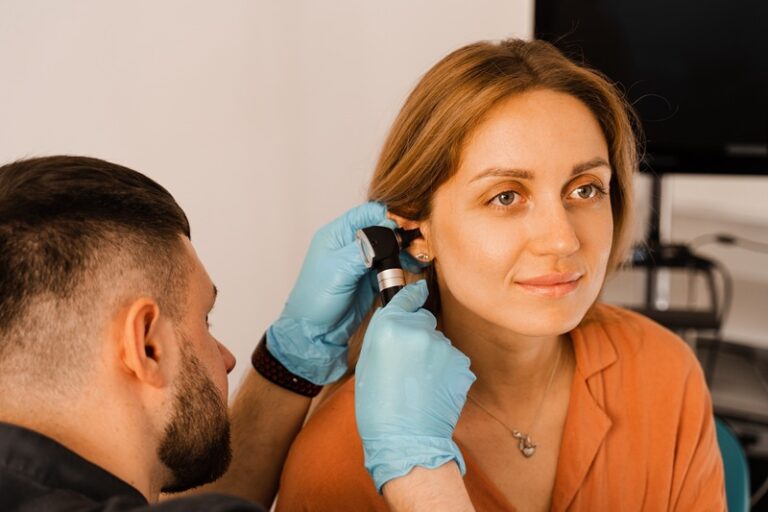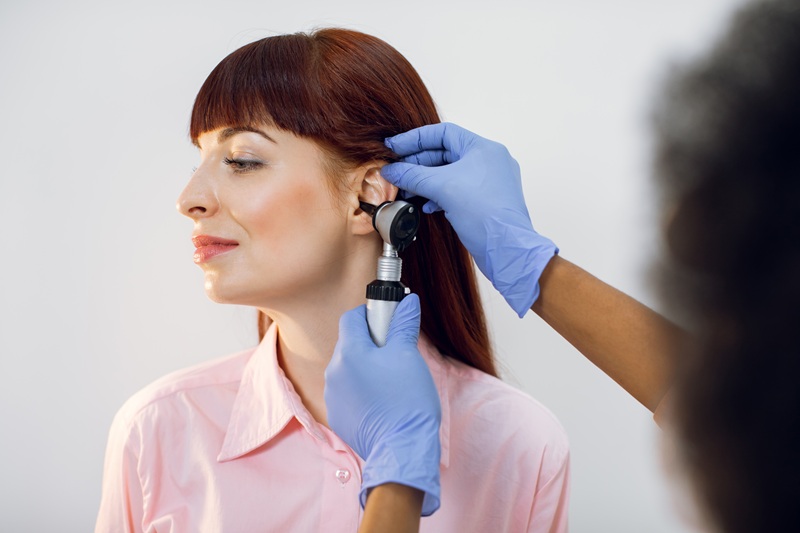
One thing most people don’t realise is that hearing changes often happen gradually, making them easy to overlook, until it’s too late.
In fact, studies show that most people live with subtle hearing difficulties for years before realising they may benefit from a professional assessment. If you’ve ever wondered “do I need a hearing check?” or “how do I know if I need a hearing test?”, you’re not alone.
How does a hearing test help? It’s a simple way to understand how your ears are functioning and to identify any changes early before they begin to affect communication, work, or quality of life.
In our blog, we’re highlighting some common signs you need a hearing test, along with guidance on when to get a hearing test and what steps to take next.
1. You’re Asking People to Repeat Themselves More Often
One of the most common signs of hearing loss is frequently asking others to repeat what they’ve said. You may notice this happening more in group conversations or when someone speaks softly.
You may notice:
- Saying “sorry?” or “can you say that again?” more often
- Missing parts of sentences, especially softer sounds
- Finding some voices harder to understand than others
If this is happening regularly, a hearing assessment can help determine whether hearing changes are contributing.
2. Difficulty Hearing in Background Noise
Struggling to follow conversations in noisy environments is often one of the earliest signs you need a hearing test. Restaurants, social gatherings, and busy workplaces can make speech harder to understand, especially if background noise feels overwhelming.
You might experience:
- Difficulty following conversations in restaurants or cafés
- Feeling overwhelmed by background noise
- Trouble focusing on one speaker in group settings
Difficulty hearing in background noise is commonly linked with age-related hearing changes or noise exposure and is a key reason many adults seek hearing assessments.
3. Turning Up the TV Volume Higher Than Others Prefer
If family members comment that the television is too loud, or you find yourself increasing the volume more than before, this may be a sign that your hearing has changed.
Common signs include:
- Increasing the TV or radio volume higher than others prefer
- Using subtitles more often to follow dialogue
- Still missing words even when the volume is high
A hearing test can help identify whether certain pitches or speech sounds are becoming harder to hear clearly.
4. Struggling to Follow Conversations
Hearing loss does not always mean sounds are completely missed. Often, people describe hearing speech but not understanding it clearly, especially when multiple people are talking.
This may look like:
- Feeling that people mumble or don’t speak clearly
- Losing track of conversations, especially in groups
- Nodding along without fully understanding what’s said
Struggling to follow conversations can affect confidence and social enjoyment. Seeing an audiologist for hearing loss can help clarify what’s happening and explore supportive strategies.
5. Ringing in the Ears (Tinnitus)
Ringing in the ears, also known as tinnitus, is another common reason people seek hearing assessments. Tinnitus may sound like ringing, buzzing, humming, or hissing and can be present in one or both ears.
Tinnitus may involve:
- Ringing, buzzing, humming, or hissing sounds
- Sounds in one ear or both ears
- Noise that comes and goes or is constant
Tinnitus is often associated with hearing changes, which is why a hearing assessment can help evaluate your hearing health and guide appropriate next steps.
6. You Feel Mentally Tired After Conversations
Listening should not feel exhausting. If you feel drained after meetings, phone calls, or social interactions, it may be because your brain is working harder to fill in gaps in what you’re hearing; this causes mental fatigue.
You may notice:
- Feeling drained after meetings or phone calls
- Difficulty concentrating during conversations
- Needing quiet time after social interactions
7. Friends or Family Have Noticed Changes Before You Have
Sometimes, those around us notice hearing changes before we do. If loved ones mention that you miss parts of conversations or respond inappropriately, it may be worth considering a hearing check.
Friends or family may mention:
- You miss parts of conversations
- You respond incorrectly to questions
- You don’t hear them calling from another room
External observations can be helpful clues that it may be time to consider a hearing test.
When to Get a Hearing Test
If experienced any of these signs, it may be time to book a hearing assessment. Even if symptoms are mild or occasional, early testing provides a useful baseline for future comparison.
Many adults benefit from regular hearing checks, particularly if they:
- Are over the age of 40
- Have been exposed to loud noise at work or recreationally
- Experience tinnitus
- Have a family history of hearing loss
Understanding when to get a hearing test can help prevent small issues from becoming bigger challenges later on.
Do I Need a Doctor’s Referral for a Hearing Test?
In most cases, a referral is not required to book a standard hearing assessment with an audiologist. You can arrange an appointment directly.
However, if medical concerns are identified during your hearing test, your clinician may recommend seeing a GP or ENT specialist for further investigation.
Taking the Next Step
Recognising the signs you need a hearing test is an important step toward protecting your hearing health. Whether you’re experiencing clear symptoms or simply want reassurance, a professional assessment can provide clarity and peace of mind.
Our team at Audience Hearing can help with a hearing test that is non-invasive, straightforward, and tailored to your individual needs and lifestyle. It’s an opportunity to better understand your hearing and explore supportive options if required.
Book a consultation and schedule your hearing test today.
Disclaimer:
This content is for general information only and does not replace professional medical advice, diagnosis, or treatment. Always seek advice from a qualified healthcare professional for your individual needs.
Frequently Asked Questions
1. How do I know if I need a hearing test?
If you notice difficulty hearing conversations, turning up the TV volume, ringing in the ears, or increased listening fatigue, these may be signs you need a hearing test.
2. Do I need a doctor’s referral for a hearing test?
No, a referral is usually not required for a hearing assessment. You can book directly with an audiologist.
3. How often should adults have their hearing checked?
Many adults benefit from a hearing check every few years, or sooner if they notice changes or have risk factors such as noise exposure or tinnitus.
4. What happens during a hearing test for adults?
A hearing test typically includes a discussion about your hearing concerns, an ear health check, and a range of listening tests to assess how well you hear different sounds and speech.
5. Can a hearing test help with tinnitus?
Yes. A hearing assessment can help identify whether tinnitus is associated with hearing changes and guide appropriate management strategies.
6. Is hearing loss always obvious?
Not always. Hearing loss often develops gradually, which is why regular hearing checks are important even if symptoms feel mild.