Choosing hearing devices can feel overwhelming at first. With different styles, features, and technologies available, it’s natural to wonder which option is right for you.
The truth is, there is no single best hearing device for everyone. The right solution depends on your hearing needs, daily routine, and personal preferences.
If you are considering hearing support, here are some important questions to ask yourself before deciding.
1. What Does My Typical Day Look Like?
Start by thinking about your everyday life.
Do you:
- Spend time in busy social settings?
- Work in meetings or talk on the phone often?
- Enjoy outdoor activities?
- Prefer quiet environments at home?
Matching hearing aids to daily routine is one of the most important steps in choosing the right hearing aid.
For example:
- If you attend social events regularly, you may need stronger background noise management.
- If you live a quieter lifestyle, simpler technology may be suitable.
There is no “one-size-fits-all” approach when it comes to hearing device types.
2. Do I Have an Active Lifestyle?
If you enjoy walking, exercising, gardening, or travelling, you may want hearing aids for an active lifestyle.
Consider:
- Moisture resistance
- Secure fit to prevent slipping
- Durability
- Rechargeable battery options
Modern devices are designed to support movement and comfort. Asking about activity-friendly features helps ensure your device works with you, not against you.
3. How Important Is Discretion to Me?
Some people prefer discreet hearing aid options that are barely visible. Others are more focused on functionality than size.
Today’s hearing device types include:
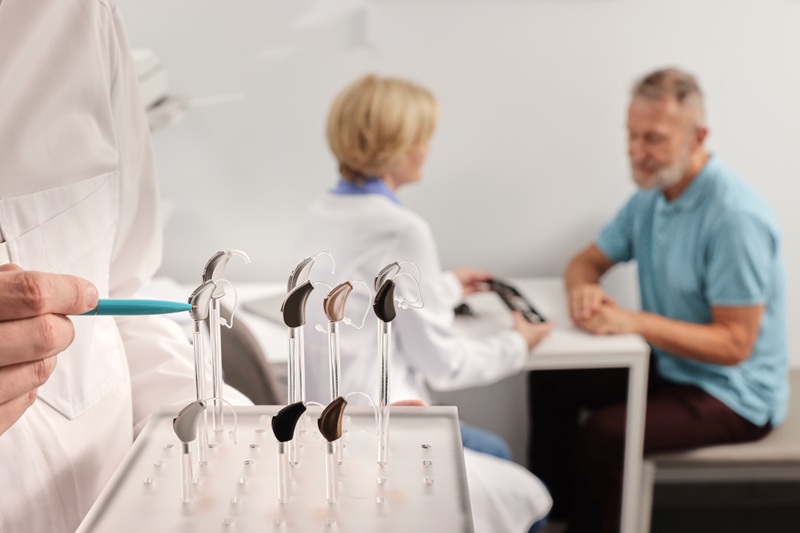
- Behind-the-ear styles
- Receiver-in-canal designs
- Smaller in-ear options
Smaller devices may be less noticeable, but they may also have limitations depending on your hearing level. As audiologists, we recommend that you think about the comfort and fit of hearing devices, which should always come first.
4. Do I Use Technology Daily?
If you use a smartphone, tablet, or television regularly, you may benefit from Bluetooth and rechargeable hearing aids.
Features to consider include:
- Direct phone streaming
- App-based volume control
- Rechargeable batteries
- TV streaming compatibility
When you think about the “best hearing device for my lifestyle”, consider how connected you want your hearing support to be.
5. What Hearing Aid Features Matter Most to Me?
There are many hearing aid features to consider, including:
- Background noise reduction
- Directional microphones
- Feedback management
- Automatic environment adjustment
- Rechargeability
- Connectivity options
Not every feature is necessary for every person. Discussing hearing aid options with an audiologist helps clarify which features are useful based on your hearing test results.
6. How Important Is Comfort and Fit?
The comfort and fit of hearing devices can make a significant difference in how often you wear them.
Ask yourself:
- Do I have sensitive ears?
- Have I struggled with earbuds or earplugs before?
- Would I prefer a lighter device?
A well-fitted device should feel secure but not painful. If a device is uncomfortable, it may not be worn consistently, which can affect overall benefit.
7. What Is My Budget and Support Plan?
While cost is an important consideration, it should be balanced with long-term support.
Some devices offer:
- Rechargeable options to reduce battery costs
- Service plans
- Adjustment appointments
- Repair coverage
Discussing hearing aid options with an audiologist can help you understand both the benefits and limitations of different devices. You can also check if you’re eligible for the Hearing Services Program by the Australian Government.
Here at Audience Hearing, our team can help you navigate the hearing program for you to be guided and supported.
8. Have I Had a Professional Hearing Assessment?
Before choosing hearing devices, a comprehensive hearing test is essential to know your hearing situation and understand whether a hearing aid is appropriate for you.
A professional assessment helps:
- Identify your type and level of hearing loss
- Recommend suitable hearing devices types
- Match technology to your listening environments
- Ensure realistic expectations
Choosing the right hearing aid should always be based on clinical results and assessments, not just guesswork.
Assistive Listening Devices as an Alternative or Addition
Sometimes, hearing aids are only part of the solution. Many people still find certain situations tough, like watching TV, talking on the phone, or hearing in groups and noisy places. That’s where assistive listening devices (ALDs) may be able to help.
ALDs work by capturing sound close to the source (such as a TV, a presenter’s microphone, or a conversation partner) and sending it directly to your ears. This may help improve clarity by reducing the impact of distance and background noise.
ALDs You Might Consider
Depending on your needs, options can include:
- TV listening support (such as Bluetooth headphones or TV streamers) to make speech clearer without turning the volume up for everyone.
- Remote microphone / FM systems, where the speaker wears a microphone and their voice is sent directly to you — useful for meetings, group settings, or lectures.
- Induction loop systems (in venues that have hearing loops installed). If your hearing aid has a telecoil (T-coil), it can pick up the loop signal for clearer sound.
- Personal amplifiers, which are portable devices that can help with one-to-one conversations.
- Captioned phone options, which can support communication by displaying spoken words as text (helpful if phone calls are challenging).
Clarity Comes from Asking the Right Questions
When it comes to choosing the right hearing aid, there is no rush. Asking yourself practical questions about your lifestyle, comfort, and communication needs helps narrow down your options.
The goal is not simply to choose the best hearing device available, but to select one that fits naturally into your everyday life.
If you’re considering ALDs or hearing aids, it’s best to have a professional consultation conducted first. Audience Hearing can help you understand your hearing health and what hearing device you may need.
Talk to our audiologist by booking your appointment with us.
Frequently Asked Questions
1. How do I start choosing hearing devices?
Choosing hearing devices should begin with a comprehensive hearing assessment. Your hearing results, daily routine, and listening environments help determine the most suitable hearing device types for your needs.
2. What is the best hearing device for my lifestyle?
There is no single best hearing device for everyone. The best hearing device for your lifestyle depends on factors such as activity level, social environments, technology use, comfort preferences, and degree of hearing loss.
3. What are the main hearing device types available?
Common hearing device types include:
- Behind-the-ear (BTE) devices
- Receiver-in-canal (RIC) devices
- In-the-ear (ITE) styles
- Smaller in-canal options
Each type varies in size, power, and features. A clinician can help determine which is appropriate based on your hearing needs.
4. What questions should I ask before getting hearing aids?
Some helpful questions to ask before getting hearing aids include:
- What does my daily listening environment look like?
- Do I need hearing aids for an active lifestyle?
- How important is discretion?
- Do I want Bluetooth and rechargeable hearing aids?
- What hearing aid features should I prioritise?
- What ongoing support is included?
These questions can help guide discussions with your audiologist.
5. Are Bluetooth and rechargeable hearing aids worth considering?
Bluetooth and rechargeable hearing aids may be suitable for people who regularly use smartphones, televisions, or other digital devices. Rechargeable models can also simplify daily battery management.
6. How important is comfort and fit in hearing devices?
Comfort and fit of hearing devices are essential. A poorly fitted device may not be worn consistently, which can limit its effectiveness. Professional fitting ensures the device feels secure without causing discomfort.
7. Can assistive listening devices be used instead of hearing aids?
In some cases, assistive listening devices (ALDs) can be used alone or alongside hearing aids. They may be helpful for specific situations such as watching television, attending meetings, or using the phone. A professional consultation can help determine the most appropriate option.
8. Am I eligible for government-funded hearing services?
Some Australians may be eligible for support under the Australian Government’s Hearing Services Program. Eligibility depends on pension status, concession cards, or Department of Veterans’ Affairs benefits. A hearing clinic can help check your eligibility.