For some people, wearing earplugs is uncomfortable. They may feel pressure in the ear canal, itchiness, or even pain after a short time. If you have sensitive ears, standard foam earplugs may not always be the best solution.
The good news is that there are options designed with comfort in mind. Understanding the custom earplugs benefits can help you decide whether they are the right choice for your needs.
Let’s explore how custom earplugs products work, why they may be better for sensitive ears, and what makes them different from standard options.
Why Some People Have Sensitive Ears
The ear canal is delicate. For some people, it may be:
- Narrow or uniquely shaped
- Prone to irritation
- Sensitive to pressure
- Affected by skin conditions
- Easily inflamed by certain materials
When generic earplugs do not fit properly, they can rub against the skin or create too much pressure. This may lead to redness, soreness, or ongoing discomfort.
If you regularly experience irritation, it may be time to consider earplugs for sensitive ears that are made specifically for you.
What Are Custom Earplugs?
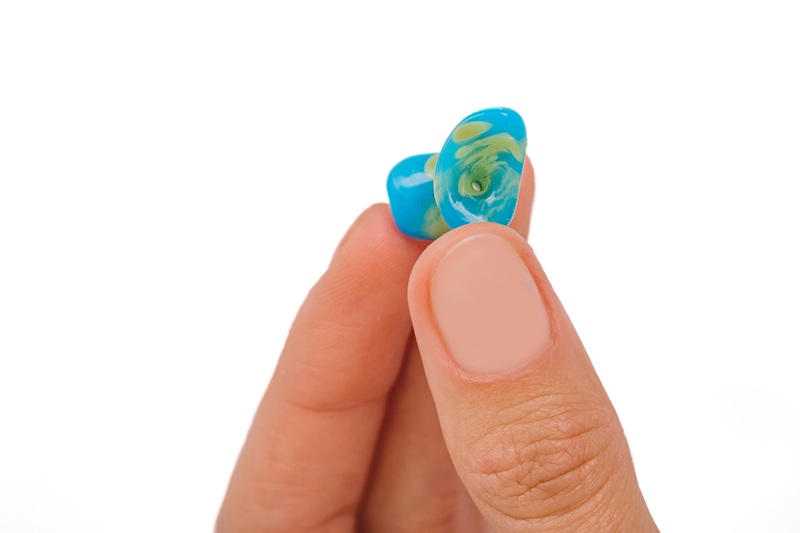
Custom moulded earplugs are made from an impression of your ear. An audiologist takes a precise mould of your ear canal, and the earplugs are crafted to match your unique shape.
Because they are designed specifically for your ears, they offer:
- A secure fit
- Even pressure distribution
- Reduced movement
- Improved comfort
Because of these benefits, many people find that audiologist-made custom earplugs feel more natural compared to over-the-counter options.
Custom Earplugs Benefits for Sensitive Ears
Aside from what was mentioned as benefits, here are a few more custom earplug benefits for people who have sensitive ears.
1. Reduced Ear Irritation
One of the main benefits is reducing ear irritation from earplugs. Since custom earplugs are shaped to your ear, they do not press unevenly against the canal walls. Instead, they hug into your ears perfectly like a glove.
This helps minimise friction and discomfort.
For people who experience itching or soreness with foam plugs, switching to a tailored design can make a noticeable difference.
2. Hypoallergenic Materials
Many custom earplugs products are made from medical-grade materials, including soft silicone. These materials are often considered hypoallergenic earplugs, which may be better tolerated by individuals with sensitive skin.
If you have reacted to standard foam earplugs in the past, material choice is especially important.
3. Comfortable Noise Protection
Custom earplugs provide comfortable noise protection because they create a proper seal without excessive pressure.
Unlike foam plugs that expand inside the ear canal, custom designs sit gently in place. This reduces the “blocked” or overly tight feeling that some people dislike.
This makes them suitable for longer wear, whether at work, during travel, or at events.
4. Pressure-Free Fit
A common complaint about generic plugs is pressure. Poor fit can lead to headaches or ear soreness.
Pressure-free earplugs that are custom-made distribute contact evenly across the ear canal. This can improve comfort, especially for people who need to wear hearing protection for extended periods.
5. Better for Sleeping
If you are sensitive to pressure while lying down, custom sleep earplugs may be helpful.
Because they are shaped to your ears, they are less likely to shift when you rest your head on a pillow. Many people find them more comfortable for overnight use compared to foam alternatives.
6. Designed for Specific Uses
Custom earplugs can also be designed for particular lifestyles.
For example:
- Custom earplugs for musicians may reduce sound levels evenly without distorting music quality.
- Industrial plugs may provide certified protection for noisy workplaces.
- Swim plugs may help keep water out for those prone to ear infections.
This flexibility is one reason why many people consider getting custom earplugs for different purposes.
Silicone vs Foam Earplugs: What’s the Difference?
When comparing silicone vs foam earplugs, comfort is often the deciding factor.
Foam earplugs:
- Expand inside the ear canal
- May cause pressure
- Are disposable
- Come in limited shapes
Custom silicone earplugs:
- Are moulded to your exact ear shape
- Sit securely without expanding
- Are reusable
- Offer consistent, reliable fit
While foam plugs may suit occasional use, individuals with sensitive ears often benefit from a custom-fitted option. However, a discussion with your audiologist will give more clarity on the best material for you.
What to Expect When Getting Custom Earplugs
Getting custom moulded earplugs is a straightforward process, and it’s designed to be comfortable from start to finish. Here’s what usually happens:
- A quick chat about your needs
Your clinician will ask where and when you plan to use your earplugs (work, sleep, music, swimming, motorcycling, etc.). This helps choose the right style and the right level of noise reduction for you. - An ear check (otoscopy)
Your ears are checked with a small light to make sure the ear canal is clear and healthy. If there is a blockage like earwax, it may need to be managed first so the earplugs fit properly. - Taking the ear impressions
A soft impression material is placed in the ear canal for a short time to capture the shape of your ear. It should feel snug but not painful. This step is what makes custom earplugs a better option for earplugs for sensitive ears, because they’re built around your unique anatomy. - Your earplugs are made to fit you
The impressions are sent away, and your earplugs are created in medical-grade materials (often soft silicone). This is where many people notice the difference in comfort compared to generic plugs. - Fitting and fine-tuning
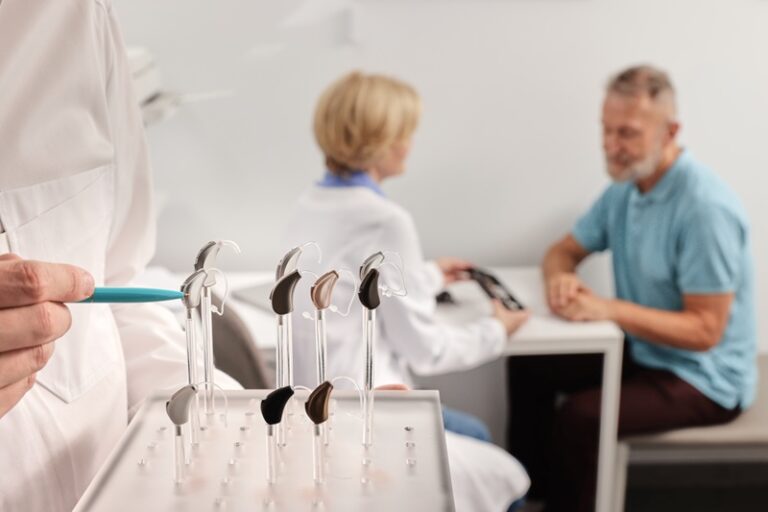
When your earplugs arrive, you will try them on, and your clinician will check the fit, comfort, and seal. If they feel tight, loose, or uncomfortable in any area, adjustments can often be made to improve comfort and performance.
The aim is to give you comfortable noise protection that seals well, feels pressure-free, and is practical for everyday use, without the rubbing, itching, or “too tight” feeling that can happen with standard earplugs.
Supporting Your Ear Health
Protecting your ears is important, but protection should not come at the cost of discomfort. If you have sensitive ears, choosing the right solution matters.
If you’re considering getting custom earplugs, Audience Hearing offers professionally fitted, audiologist-made custom earplugs tailored to your needs. Our team can guide you through the process and help you find a comfortable, practical solution to keep your ears protected.
Book an appointment with our audiologists today.
Frequently Asked Questions
1. Are custom earplugs better for sensitive ears?
Yes, custom moulded earplugs are often more comfortable for people with sensitive ears. Because they are shaped to your exact ear canal, they provide even pressure distribution and reduce rubbing or irritation compared to standard foam earplugs.
2. What are the main custom earplugs benefits?
Some key custom earplugs benefits may include:
- Improved comfort
- Reduced ear irritation
- Pressure-free fit
- Reusable and durable design
- Tailored noise protection for specific needs
They are especially helpful for people who need long-term or regular noise protection.
3. What is the difference between silicone vs foam earplugs?
When comparing silicone vs foam earplugs:
- Foam earplugs expand inside the ear canal and are disposable.
- Custom silicone earplugs are moulded to your ear shape, reusable, and do not expand inside the canal.
For individuals with sensitive ears, custom silicone options may feel more comfortable and stable.
4. Are custom earplugs hypoallergenic?
Many audiologist-made custom earplugs are made from medical-grade silicone, which is generally well tolerated. These hypoallergenic earplugs may reduce the risk of skin irritation compared to some foam products.
5. Can I get custom earplugs for sleeping?
Yes. Custom sleep earplugs are designed to sit comfortably in the ear without causing pressure when lying down. They may be suitable for people who are sensitive to standard earplugs during overnight use.
6. Are custom earplugs suitable for musicians?
Custom earplugs for musicians are designed to reduce sound levels evenly while maintaining sound clarity. This helps protect hearing without significantly distorting music quality.
7. Do I need an audiologist to get custom earplugs?
Yes. Audiologist-made custom earplugs require an ear examination and impression to ensure accurate fit and appropriate noise protection. A professional fitting helps ensure both comfort and effectiveness.