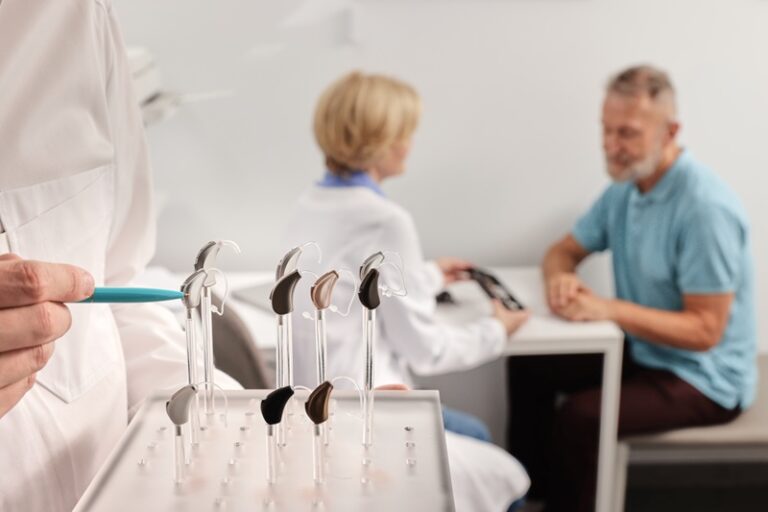
Receiving a recommendation for hearing loss treatment can sometimes feel overwhelming, especially if you’re unsure what the results mean or what the next step should be. Many people wonder whether the suggested hearing treatments are the only option available or if there are alternative approaches worth considering.
Seeking a second opinion is a common and reasonable step in healthcare. A second opinion can help ensure your care aligns with your needs, lifestyle, and preferences.
Below is a clear overview of how a second opinion works, what it involves, and how it can help clarify treatment options for hearing loss.
Why Consider a Second Opinion for Hearing Loss Treatment?
Hearing loss is not the same for everyone. The type, degree, and impact of hearing changes can vary significantly from person to person. Because of this, hearing treatments may also differ.
A second opinion may be helpful if:
- You’re unsure about the recommended hearing loss treatment
- You feel your concerns were not fully addressed
- You want to better understand your diagnosis and options
- You’ve been advised to start wearing hearing aids and feel uncertain
- Your current treatment doesn’t feel right for your lifestyle
Seeking another professional perspective can help confirm findings or explore alternative hearing loss treatment options.
Before Your Second Opinion Appointment
Preparing for a second opinion appointment can help make the most of the consultation.
It’s helpful to bring:
- Any previous hearing test results or audiograms
- Reports or recommendations from your initial assessment
- A list of current medications or medical conditions
- Notes about situations where you find hearing difficult
- Questions or concerns you’d like addressed
Having this information allows the clinician to review your hearing history thoroughly and understand your experiences.
1. Reviewing Your Hearing History and Concerns
Your second opinion appointment usually begins with a detailed discussion about your hearing journey so far.
This conversation may include:
- When you first noticed changes in your hearing
- Situations where hearing feels most challenging
- Any tinnitus, dizziness, or ear discomfort
- Your work, social, and lifestyle needs
- Previous recommendations and how you felt about them
This discussion helps ensure that hearing loss treatment options are considered in the context of your daily life, not just test results.
2. Ear Health Check and Assessment Review
An ear health check is often performed to assess the ear canal and eardrum. This may involve otoscopy to check for:
- Earwax build-up
- Signs of inflammation or infection
- Obstructions that may affect hearing
The clinician will also review previous hearing test results and may repeat or update assessments if needed. This helps confirm whether results are accurate, current, and consistent.
3. Reassessing Your Hearing Test Results
Understanding your audiogram and test findings is a key part of clarifying hearing loss treatment options.
During this stage, the clinician may explain:
- What your hearing levels show across different pitches
- Whether changes are mild, moderate, or more significant
- How results relate to your communication experiences
- Whether hearing is stable or may need monitoring
Clear explanations help you better understand your hearing health and the reasoning behind different hearing treatments.
4. Exploring Hearing Loss Treatment Options
One of the main benefits of a second opinion is the opportunity to explore all appropriate treatment options for hearing loss.
These may include:
- Hearing aids, if amplification is suitable
- Monitoring and follow-up, if changes are minimal or stable
- Hearing protection strategies, if noise exposure is a factor
- Communication strategies to improve listening in daily situations
- Referral to a GP or ENT specialist, if medical concerns are identified
Not every hearing loss requires immediate hearing aids. A second opinion can help clarify whether treatment is needed now or if other approaches may be appropriate.
5. Clarifying Hearing Aid Recommendations
If hearing aids have been suggested, a second opinion can help you better understand why they were recommended and what to expect.
This discussion may cover:
- How hearing aids may support your specific hearing needs
- Different styles or technologies that may suit your lifestyle
- Trial periods and follow-up care
- Realistic expectations for hearing aids
Clarifying these details often helps people feel more confident about their hearing loss treatment decisions.
6. Support, Follow-Up, and Next Steps
After reviewing your hearing and discussing options, your clinician will outline next steps.
This may include:
- Confirming an existing treatment plan
- Suggesting adjustments to current hearing treatments
- Recommending further assessments
- Planning follow-up appointments for monitoring or support
A second opinion is not about contradicting previous advice, but about ensuring you have clear, balanced information to guide your choices.
Your First Step Towards Proper Hearing Care
Making decisions about hearing loss treatment can feel complex, especially when information feels unclear or overwhelming. A second opinion offers an opportunity to ask questions, gain clarity, and feel reassured about your care.
Understanding your hearing treatments and why certain options are recommended helps you take an active role in your hearing health.
If you’re looking for a clinic that offers a second opinion, Audience Hearing provides clear explanations, evidence-based assessments, and supportive guidance to help you understand your hearing loss treatment options and decide what feels right for you.
Book a consultation to discuss your hearing concerns and explore your treatment options with confidence.
Disclaimer:
This content is for general information only and does not replace professional medical advice, diagnosis, or treatment. Always seek advice from a qualified healthcare professional for your individual needs.
Frequently Asked Questions
1. Is it okay to get a second opinion for hearing loss treatment?
Yes. Seeking a second opinion is common and can help you feel more confident about your diagnosis and treatment options.
2. Will a second opinion mean starting all tests again?
Not always. Existing results are often reviewed, though updated testing may be recommended if results are outdated or unclear.
3. Can a second opinion change my treatment options?
In some cases, yes. It may confirm previous recommendations or present alternative hearing loss treatment options.
4. Do I need a referral for a second opinion hearing assessment?
A referral is usually not required for a hearing assessment. You can book directly with a hearing clinic.
5. What if both opinions recommend the same treatment?
This often provides reassurance that the recommended hearing treatment is appropriate for your needs.
6. Can a second opinion help if hearing aids don’t feel right?
Yes. If you’re unsure about your current hearing aids or treatment, a second opinion can help review settings, fit, and alternatives.